

Flowers are flavourful food!
Not only for the hummingbirds and bees but for us humans too. The petals of flowers are a kind of modified leaf, and the flowers are actually classified as a vegetable. Except for fruits and seeds, any part of a plant that is eaten by humans is considered a vegetable. While we tend to focus on their beauty and aromatic appeal, we have forgotten that many of them are surprisingly yummy as well as medicinal.
Flora and fauna have been used in a wide variety of cuisines around the world for thousands of years. At local restaurants, coffee shops, and teahouses, you might notice the pretty floral additions to the menus such as; rose macarons, lavender lemonades, hibiscus tea, or geranium sherbert.
Ancient Roman, Greek, Indian, and Chinese herbalists and Ayurvedic practitioners had plenty to say about the health benefits of eating flowers. The Incas, Aztecs, and Hindus also chose to include edible flowers in their sacred religious rituals. Some cultures chewed echinacea flowers in ceremonies, chrysanthemums were used in ceremonial beverages and cooking in ancient China, while lotus flowers have played an important role in Indian cuisine since the beginning of time. Records show that the cultivation of flowers as food dates back some 600 years, playing an important role in international food culture and cuisine.
Edible flowers include citrus blossom, clover, daisies, dandelions, hibiscus, honeysuckle, lavender, lilac, mums, nasturtium, pansies, roses, sunflowers, violets, and many more.
If you don’t have the luxury of growing edible flowers in your own garden, always remember when buying edible flowers to get only organically grown flowers, as they won’t be full of pesticides that are toxic when ingested. Always read the labels on the package to make sure that these flowers are indeed grown for human consumption and approved by the U.S. Department of Agriculture (USDA).
1. Roses
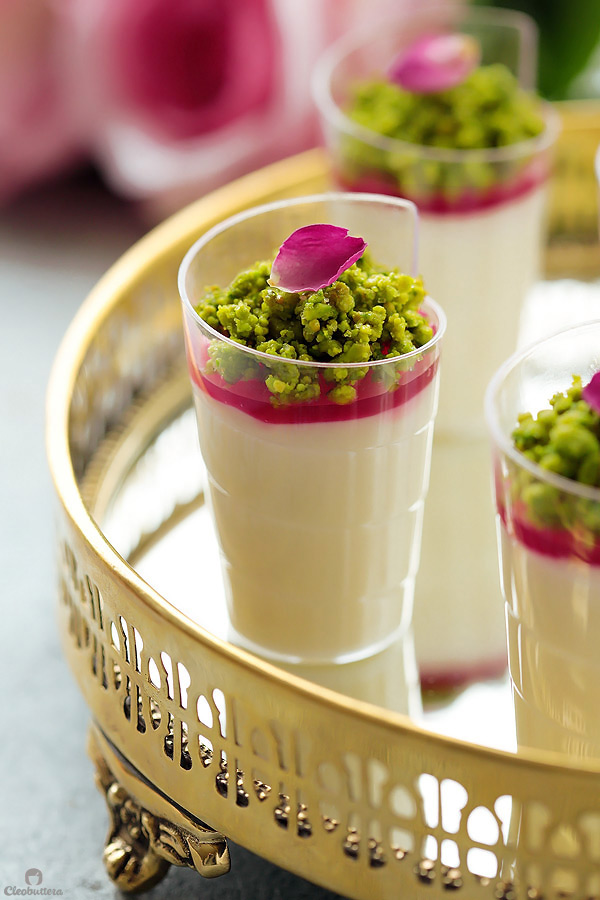
With their velvety petals and sharp thorns, roses have historically been the perfect symbol of the sweet and bitter aspects of Amore. The rose’s duality, beauty, and fragrance have garnered its use as a cultural symbol across the world. The fruit of the rose plant (rosehips ) is an excellent source of vitamin C, and its oil is used in beauty products to this day. Rose petals steeped in water make a lovely aromatic, sweet tea. The stems and leaves of rose plants are just as edible as the petals and can be used to add a subtle sweet delicate flavor to baked goods, cocktails, chocolates, and desserts. Try this refreshingly spicy rosewater and cardamon coffee. Roses can also be candied, made into a simple syrup, and infused with honey. For a special and exotic treat, try something daring like the traditional Arabic-style milk pudding infused with a touch of rose and orange blossom waters (Rose Mehalabya), adorned with rose syrup topping and garnished with caramelized pistachios. Amazeballs! Truly a beautiful feast for the eyes, tastebuds, and all the senses.
2. Violets

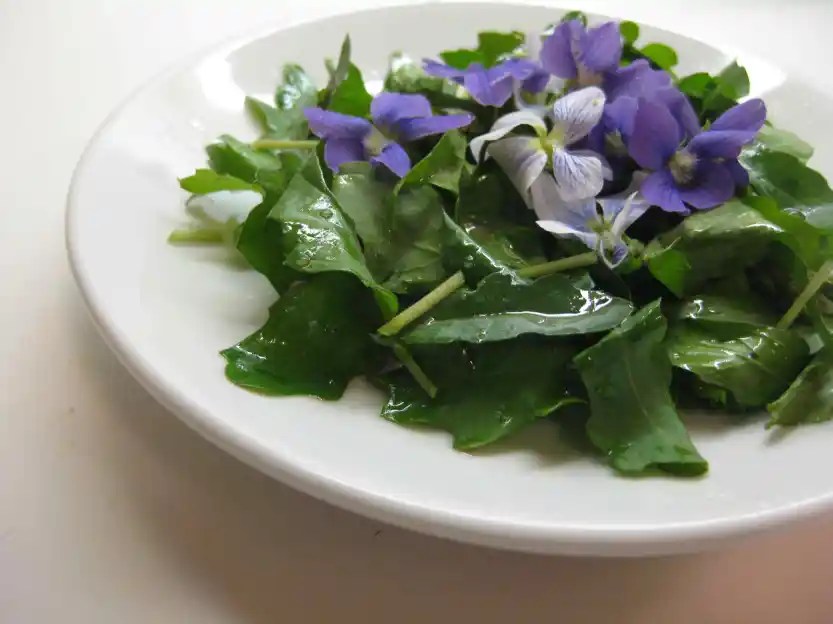
Violet petals can and should be used in just about all the same way rose petals can. Their petals are sweet and their leaves taste like spinach, with twice the vitamin A of spinach and twice the vitamin C of oranges. Wild violets come in over 100 different varieties. Although they all are edible, some are tastier than others. The common blue violet is the most harvested. Violet petals make a delicious vinaigrette, a superb jelly.
3. Lavender

Native to the Mediterranean and parts of Asia, Africa, and Europe, lavender thrives in more temperate climates. A little-known fact is that lavender is actually part of the mint family, Lamiaceae (previously Labiatae). In fact, there are many other plants in the mint familia that would surprise you including; bergamot, holy basil, sage, etc. For the most part, lavender is used to infuse and season oils and syrups, as a refresher to teas, lattes, or lemonades, to flavor ice cream, and to add a frilly floral sweetness to desserts and other baked goods. Lavender is not only yummy as taste-bud therapy but also beneficial as aromatherapy. For dogs, Lavender also serves as a natural flea repellent. DO NOT USE IT ON CATS.
4. Calendula (not Marigolds)
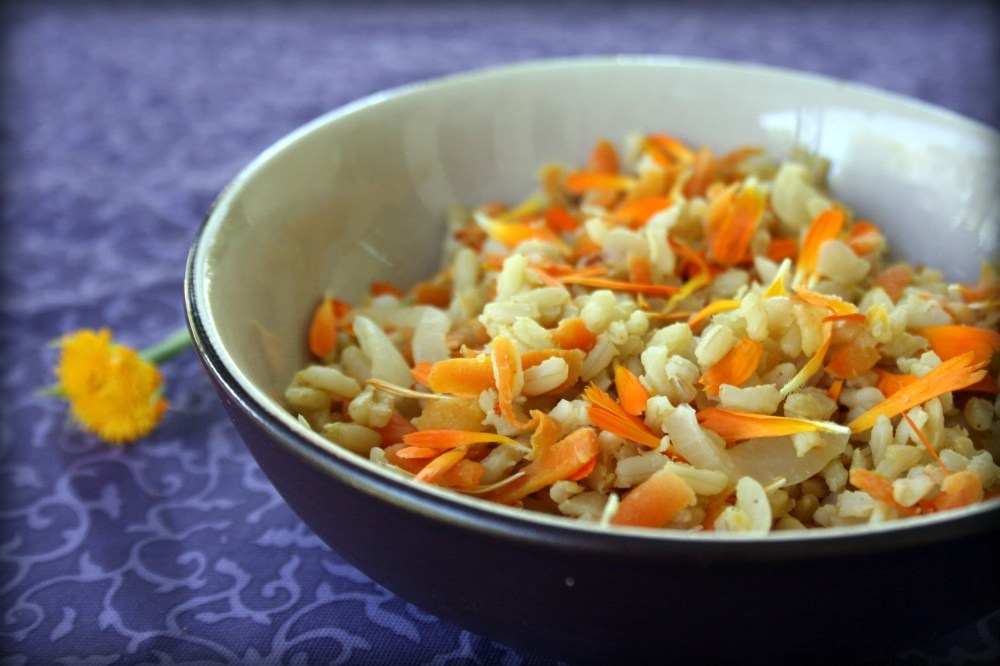
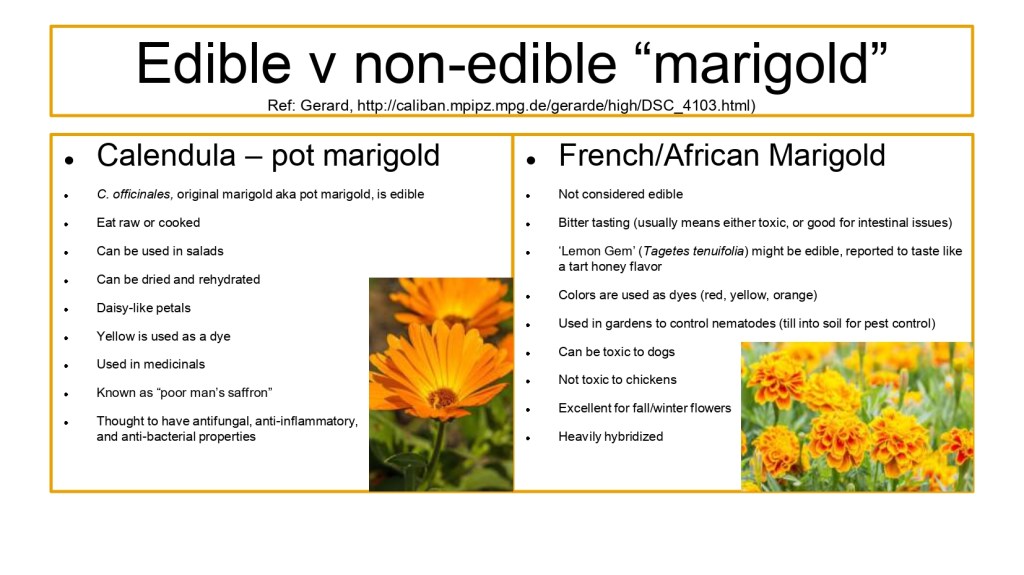
Let’s first differentiate between marigolds and calendula flowers. Calendulas feature long petals and round, wide leaves. While Marigolds (Tagetes spp.) have shorter, compact petals and thinner leaves. Although both plants are part of the daisy family, calendulas look more like daisies. Calendulas add a peppery pop to salads, salsas, scrambled eggs, quiche, and frittatas pasta, bread, and iced teas. Calendula blossoms can also be added to soups, rice, risotto, or creamy cheese dip to add a dash of that sexy gold color and a mild peppery, saffron-ish flavour.
5. Pansies (the happiest flower EVER!)
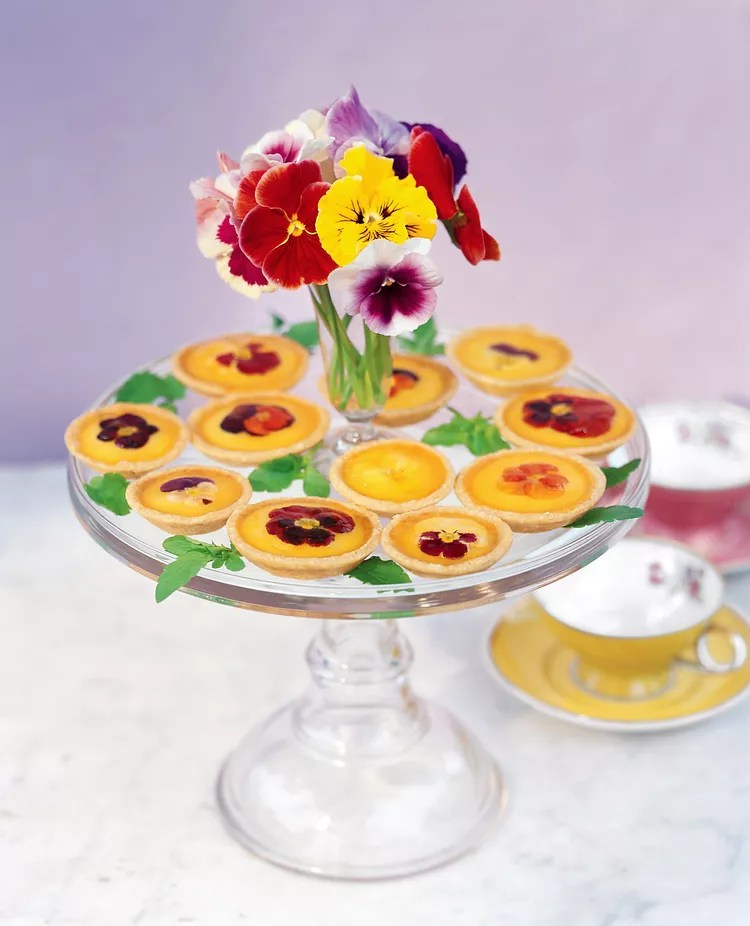
The pansy is not just another pretty face! Some varieties of pansies have a mildly sweet flavor, and some have a more wintergreen flavor with the intensity growing the more you consume. For example, a whole flower tastes stronger than consuming a few petals at a time. You can eat the pansy flowers in salads and sandwiches, or as garnishes on top of petits fours, cupcakes, frosted cakes, or parfaits. Dress up your cocktails with cute little ice cubes frozen with pansies and blueberries inside or make an elegant ice mold with an entire bouquet frozen inside that will delight your guests! Try these adorable mini lemon-pansy tartlets.
6. Nasturtiums

These golden lovelies make an appearance in nearly every ancient culture. Records show that its cultivation goes back some 600 years, playing an important role in French and English culture. These bright orange and yellow flowers have a slightly spicy, peppery flavor similar to watercress. They pair well with salty or pickled snacks and salads. Their seeds can also be soaked in vinegar and used as a caper substitute. Nasturtium is also a natural antibacterial agent. For this reason, some use it to sanitize wounds and help treat respiratory issues, such as bronchitis and congestion, in addition to urinary tract infections while.
7. Hibiscus (Jamaica)

ALOHA hibiscus! The savory flowers of tart tropical hibiscus flowers are most often used to make a dark pink tea, frozen treats, cocktails, chutney, cider and anything that you want to add an earthy-cranberry-like-taste to, made even more delicious when you add a fresh lime. Pairs well with lavender, mint, rosemary and thyme. These hibiscus glazed chicken wings will give you a spicy little kick.
8. Dandelion

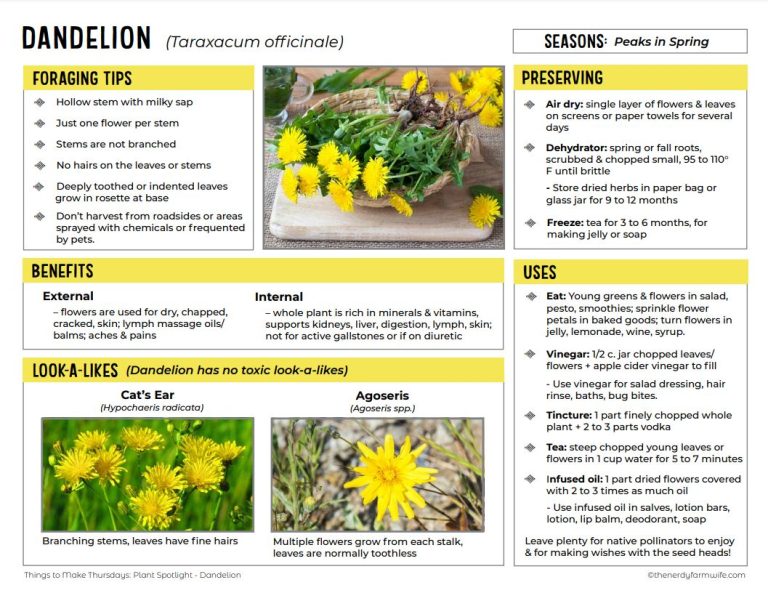
These super-food “weeds” have roots and leaves and the flowers are not only happy and pretty but also tasty and nutritious. Every part of the dandelion plant is edible and packed with nutrients such as vitamins A, C and K, folate, calcium, and potassium. In addition, they contain several different types of antioxidants throughout the roots, leaves and flowers.
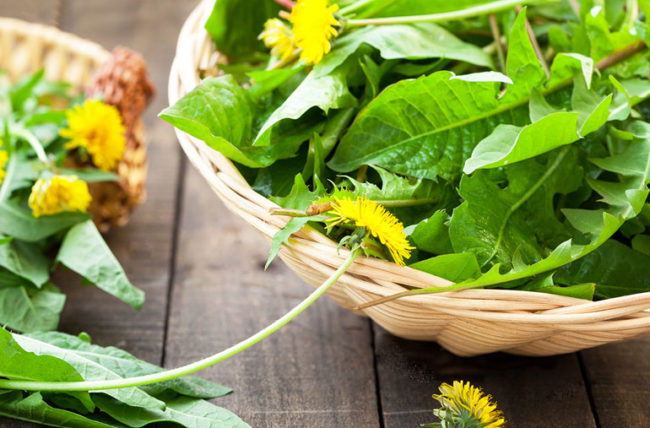
The Celts drank dandelion flower wine as a digestive aid. The flowers are colorful toppers to salads, especially dandelion green salads. They can also be fried, made into fritters or used in desserts. Dandelion greens are the red and green leaves that grow from the hollow stem of a dandelion plant. The leaves have an earthy, pleasantly bitter flavor that is easily mellowed after they’ve been cooked, and you cook them as you would cook kale, chard, mustard greens, or spinach.
The flowers are especially treasured for their mild analgesic (pain-relieving) properties, making them an excellent addition to products designed for sore muscles or other external aches and pains.
9. Geranium
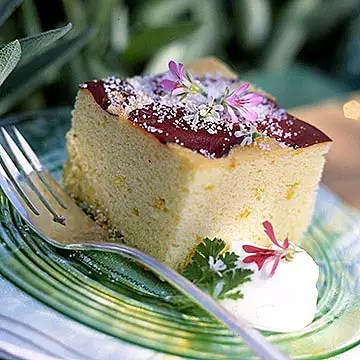
While not as commonly used in food as roses and lavender, use geranium as a flavor additive in ice creams, lemonades, and pastries, if you want to achieve a light citrusy flavor. The tanginess and fragrant aroma of the geranium leaves make them distinct from the sweeter flavors of other flowers and the savory flavors of some herbs. There are many varieties of scented geraniums and the leaves and flowers have a taste reminiscent of each variety; for example, the lemon geraniums have a citrusy flavor, rose geraniums taste perfumey like a tea rose, nutmeg geraniums, and ginger geraniums taste like those spices.

IMPORTANT NOTE! An important thing to note is that while humans can consume edible geraniums, this type of plant is toxic to dogs, cats, and horses.
10. Common Lilac (Syringa vulgaris is the only variety the FDA approves for human consumption)

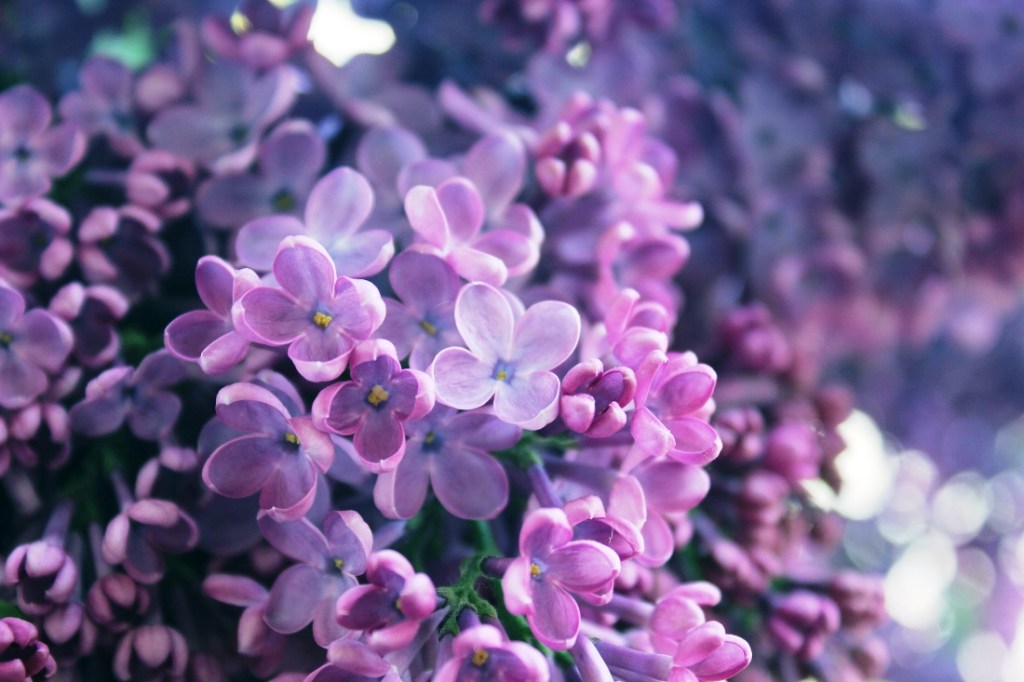
If you’ve ever enjoyed the intoxicating scent of lilac, you can imagine how sweet they taste. A perfect sweet treat to add to summery drinks, frozen yogurt, or hot tea. SHOCKER ALERT! Lilacs are part of the olive family. Yes, I did say olive family. These shrubs belong to the Oleaceae family, which includes over 20 different plant species, including olives, ash, and jasmine.
These angelic, fluffy pink, purple-blue blooms can be harvested, and each flower individually hand-plucked off its stem and soaked in a bath of cream to let the flowers infuse to make the most creamy dreamy ethereal out-of-this-world gelato or ice cream. The simplest way to capture lilac essence (since it has no oil in it naturally) is to make lilac-infused sugar syrup. Once you have enough syrup you can then use it to make decadent retro cocktails, frosting, beautiful and delicious candied flowers for decoration or garnish, cupcakes, and beautiful fancy petits fours.
Not all flowers are edible, and some are pretty toxic (like daffodils) so be sure to identify and research before you taste! You should only eat flowers that are grown organically, without chemical pesticides, which rules out almost everything from florists to garden centers and nurseries.
Happy Foraging!

 Mindful Paws PR