Cast iron cookware has been a staple in European and American homes for 500 years. Appearing au courant on the cooking scene in China during the Han Dynasty (206 B.C. to 220 A.D.), and first used for salt evaporation, cast iron cooking pots soon became fashionable hot couture for their durability and ability to retain heat evenly, which improved the quality, flavor, and presentation of meals cooked in them.
Cast iron is affordable, virtually indestructible, naturally nonstick, and has amazing heat retention for cooking and baking. Not to mention, it is available in a wide range of sizes and styles, including fry pans, woks, grill pans, pots, skillets, waffle irons, and Dutch ovens. Lastly, professional restauranteurs and home cooks are switching to cast iron as a healthy alternative to aluminum and traditional nonstick pans.
Photo by Wendy Wei
Teflon-coated aluminum pans (Yuck!) became the new craze in the 1950s. They were lighter weight, heated up and cooled down faster, and best of all, they had some slick mystery coating on them that kept food from sticking and made cleanup faster and easier.
Unfortunately, like many modern conveniences invented, these non-stick pans (aka Teflon) belong to a highly toxic class of “forever chemicals” called perfluoroalkyl chemicals, or PFAs, that slowly leak into our water, especially at high temperatures. In fact, researchers found that at least 610 drinking water sources over 43 states contain potentially unsafe PFAS levels, and estimate that more than 19 million people are exposed to these man-made chemicals. Yes, this magical stuff that makes your Frittata slide off the pan, contains chemicals that can cause birth defects, reduce testosterone, and even contribute to infertility. But, that’s another article for another time!
Cast iron poses none of these health risks, and can be heated to extremely high temperatures, on any surface, without any negative effects.
How is Cast Iron Cookware Made?
Englishman Abraham Darby is credited with revolutionizing cast iron cookware; in 1707, he patented a method for casting iron into relatively thin pots and kettles, a process that made them cheaper to produce. Cast iron cookware is made by melting blocks of iron and steel together in a factory. Then chemicals are added to the mixture in order to raise its carbon levels. Next, the molten metal is poured into a mold made of sand, water, and powdered clay. When the cast iron pot or pan is cool, the sand mold is broken and the cookware is released. Workers then smooth each piece before it’s ready to be sold.
Why Should You Switch Cast Iron?
It’sNon-toxic. Iron is actually a necessary nutrient in our diets. Cooking in a seasoned cast iron skillet can add only trace amounts of iron to your food and therefore into your body. In addition to eating more iron-rich foods like meats, beans, and spinach, cooking in a cast iron pot is an easy way to boost your iron intake. Iron is an essential nutrient for all the cells in our body.
2. It’s PRETTY! Face it, nothing beats cooking with and serving in a cast iron skillet or platter! Whether you are baking spicy Gingerbread, frying up a sizzling Filet Mignon with mushrooms and onions, or making a skillet pizza for your Bestie, cast iron serves up a romantic, rustic charm to the presentation. Hungry yet?
3. It’s Ancient. There’s nothing like the test of time to see if a product is not only efficiently useful, but safe as well. Cast iron has lasted hundreds of years and is even a special part of family tradition and culture being passed down from generation to generation, with its seasoning only getting better over time. Just imagine all of the family secrets and wisdom these forged friends hold! I myself have many fragrant memories and sweet nostalgia for generations of heirloom dessert recipes wafting down through my family.
4. Non-stick and easy to clean. As long as you season your pan wellwith cooking oil and get it piping hot before use, food should not stick to it like other coated stainless steel pans. Cleaning is super easy. After you’ve used your skillet, use a brillo pad and a pinch of sea salt to scrub it with warm water. TIP! Never let it soak in water, as this can cause rusting AND you should always dry your pan by heating it up on the stove before putting it away.
5. Handles high heat. Among the benefits of cast iron, particularly when used in cooking, are its awesome thermal properties. The thermal properties of cast iron allow it to evenly distribute and retain heat over a long period of time, making it a popular option for frying pans and stock pots. Its high melting point makes it useful for more extreme industrial conditions. You can put a cast iron skillet on the burner, in the oven and broiler, and even right over an open fire. It can be used on any cooking surface, even the grill or firepit. You can also use any utensils you like on it, even metal, as there is no chemical coating to chip or damage.
6. Bakes and cooks evenly. Many chefs prefer cast iron because of its superior heat distribution.
7. Browns food beautifully. Because it gets so hot, cast iron puts a nice crispy crust on your burgers, bacon, and fried chicken, and toasts those marshmallows on your holiday sweet potato casserole nicely!
8. Usable as a grill. Like I mentioned previously above, if you’re going camping in the wilderness or trying a little primitive living in your backyard, you can stick your iron skillet right over the fire in your firepit and get that yummy tangy char-broiled smokey flavor. Nothing says LOVE like a warm cast iron skillet, buttered, layered with chocolate chips and mini marshmallows, drizzled over graham crackers, and served with a glass of cold Moo Juice under a full moon, wrapped in a blanket of stars. Skillet S’mores Dip, baby!
9. They’re cheap. Compared to all the new-fangled varieties of PFA-free, non-stick pots, and pans, you can actually buy more durable cast iron for less moolah. Prices range from $30.00 to $250.00 and I highly recommend getting a pre-seasoned product. Top tested, tried, and true brands include Lodge, LeCreuset, Cuisinart (best grill skillet), and Tramontina.
10. They last forever. You won’t have to worry about scratching, chipping, or handles breaking… cast iron is as Mr. Muscles, heavy-duty, hardcore as it gets. Plan on putting your cast iron culinary kid in your will! Cast iron pans, skillets, and dutch ovens are passed down from generation to generation with pride. The more love you give them and the more you cook and season them, the more the seasoning layer builds up, and the better they perform.
Because…Who Doesn’t Love a Good Skillet Pun!
My favorite restaurant started serving a superhero-themed skillet breakfast.
Turns out it was just The Flash in a pan
I was watching a new cooking show where you only get to pick one pan to use the whole time…
It’s called, “Do You Have The Skillet Takes?!”
The moral of the story is that cast iron ROCKS and isn’t just a group of pots and pans to cook with…it is a lifestyle. Your family will love you (and your cast iron skillet) literally, FOREVER. You’re Welcome.
If you have been feeling a little ‘blue’ over the past few weeks, it’s no wonder as the height of darkness will soon be upon us come December 21st. Yes! Winter IS COMING!
The Winter Solstice (‘solstice’ is Latin for “sun standing still”) and it magically happens at the same time for every creature on Earth. It represents the exact moment when the Northern Hemisphere is tilted at its furthest point away from the sun. It is a time for “rebirth” and is spiritually significant.
This marks a very special day for all ancient traditions and one where we should take a moment, hit the pause button, and catch our breath. Deep cleansing breaths as we all, collectively, shed our 2024 spiritual skin and embrace the winged transformation into 2025. A transformation that is sure to bring profound healing, abundance, and endless possibilities. The Winter Solstice acknowledges a passage of time through seasons and also a profound passage of time through ourselves. It is a moment of contrast – the shortest day, the longest evening – that can serve as a vessel for deeper examination and understanding of our own inner contrasts and journeys. Contrasts such as dark and light, shadow and sunlight.
The Winter Solstice, sometimes celebrated as ‘Yule’ in Pagan and Wiccan traditions, marks the first day of Winter in the Northern Hemisphere. Even though it’s one of the oldest holiday celebrations, the communal rituals around it have remained the same: Spend time with your family, observe and honor the seasonal changes in Nature, and reflect upon what life events have taken place in 2024. Imagine the Winter Solstice as an opportunity to rejuvenate, pray, reset, meditate, hibernate, set personal goals, practice forgiveness, and breathe in a ‘New Year-New You’ frame of mind.
Ancient civilizations in the UK and abroad have marked the solstices as culturally significant events throughout history. For example, these ancient traditions are routinely resurrected and celebrated at Stonehenge during the solstice, when visitors from all over the world trek to the monument to mark the shortest day. Despite being built thousands of years ago, Stonehenge was designed to align with the point of the sunset on the Winter Solstice.
We should take a cue from Mother Nature and the natural world, and respect that darkness, night, and shadow play a critical role in the biological rhythm of our planet and our ecology. Many plants and animals, ecosystems, and organisms depend upon the nighttime for rest, growth, and reproduction. Unfortunately, many of us Humans have lost the connection to this primal and symbiotic relationship with the darkness and the shadow. We have fallen out of balance more often than not because we forget that without one, the other could not exist. We try to “lighten things up”, deny the darkness, or eliminate the shadow. At times we find ways to bypass or distract ourselves from it, and this denial most likely accounts for a lot of the problems such as inhumanity and DIS-ease that we see in the world. We have lost connection to “the whole” and denied “the sacred balance”.
Personally, I want to spend more time outside at night with a blanket of stars and the moon above me. No traffic lights. No car headlamps. No city lights. My desire to connect with shadow is not only psychological, but spiritual as well. I want to deepen and lean into the areas of my life that are perhaps “uncomfortable” because they are a part of me. My shadows make me appreciate my light. Through the respect and understanding of this darkness, my beauty and gifts are transformative and illuminating.
ATTRAVERSIAMO WITH ME! (*)
Give your-SELF time to process the past year and all that we have been through. Isolation. Tears. Smiles. Hardships. Success. Love. Heartbreak. Birth. Death. Pain. Passion. Hasn’t it been an adventure! Each path on this journey we call LIFE (bad or good) has landed us exactly where we are supposed to BE. Right here. Right now.
Celebrate the Winter Solstice and internal illumination with me as we prepare for a remarkable 2025!
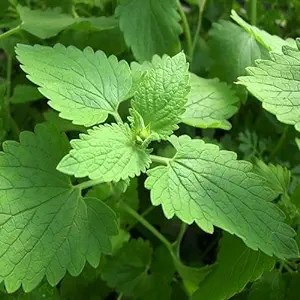
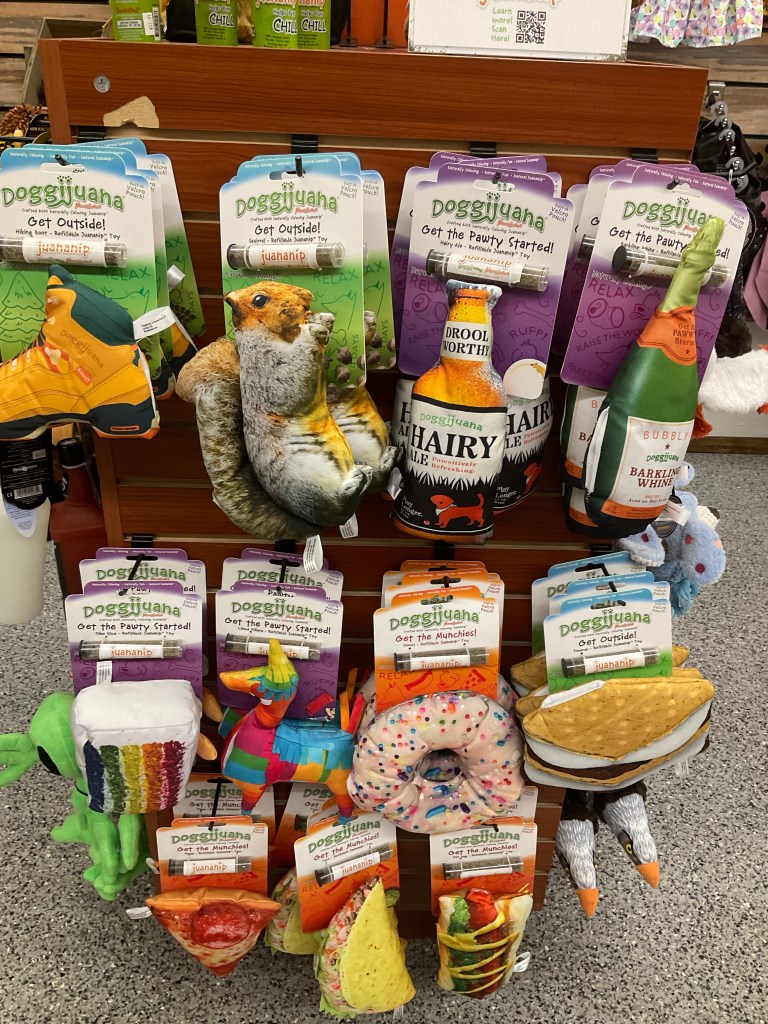
Juananip is a revolutionary brand of chillaxing dog toys and products made with the herb catnip (Nepeta spp), found within the mint family. It is often referred to as catmint.
Juananip amps up the attractor factor of toys and encourages dogs to play longer through scent. Catnip contains a compound called nepetalactone.
Dogs experience the world through their noses and catnip is a natural way to encourage dogs to play and relax them at the same time. Dogs have catnip receptors in their faces and stomachs, similar to cats, BUT THAT PRODUCE AN OPPOSITE REACTION! Amazing, right? Here’s how this magic works.
Vomeronasal organ (or Jacobson’s organ) of the cat is located inside the nasal cavity and opens into the roof of the mouth, right behind the upper incisors. Their main function is to communicate specific chemical attractant signals (commonly called pheromones) to the central nervous system which drive Kitty crazy.
Dogs have them, too, as well as more than 100 million scent receptors. But the catnip doesn’t affect them like it does felines because dogs don’t respond the same way to these pheromones. In fact, many dogs have no response or experience some mild sedation at most. Further, when ingested in small amounts, catnip actually produces a calming effect that helps dogs chill – naturally. You can safely add 1/4 teaspoon to their food for a naturally calming vibe. According to the ASPCA Animal Poison Control Center both fresh and dried versions of catnip are considered safe for dogs to consume in moderation and as directed by the manufacturer.
🐾There is NO MARIJUANA in these products as ☠️🏴☠️ THC is TOXIC for dogs. Even a small amount of THC can cause a severe reaction and lead to marijuana toxicosis and an emergency trip to the Veterinarian.
🐾Juananip is an all-natural, organic catnip grown in the USA and Canada. That’s the only ingredient in Juananip, Catnip.
🐾Nepetalactone, the essential oil in catnip, binds to the receptors and induces a response that is so relaxing, it’s drool-worthy.
🐾Dogs don’t get “high” from catnip like cats do. Instead, it is a calming agent when eaten and a great way to encourage your dog to play longer through smell.
With the PAWlidays rapidly approaching I feel it my duty to unleash the ruff stuff about rawhide to every Pet Parent. Those cute prepackaged rawhide candy canes and snowmen that your Good Girl and Good Boy will undoubtedly receive from guests and clients visiting your home or office during the holidays are deadly. DO NOT FEED RAWHIDE EVER. Period.
How can one of the most popular chew sticks on the planet be so dangerous for your pets you ask?
As a Naturopathic Vet Tech, I have personally triaged dogs and assisted on many emergency surgeries from dogs consuming rawhide; either choking on it or developing dangerous bowel obstructions. Either way, many episodes tragically ended in fatality.
Just check the product label. It ACTUALLY warns that these exact incidences can happen. Another major concern (besides intestinal blockage, pain, bloat, choking and death!) is where these rawhide chews are made.
So, let’s start with what the heck rawhide really is. The name ‘rawhide’ is technically incorrect. A more accurate name would be ‘processed-hide’, as the hide (skin) isn’t raw at all.
Rawhide is not dehydrated-meat or the by-product of the beef industry. Rawhide is actually the by-product of the “Leather Industry”, so theoretically it is a leather chew. Rawhide chews are made from the leather industry’s leftovers. Most hides are taken directly from the kill floors at slaughterhouses and placed into high-salt brines, which helps slow their decay (Insert gag reflex here!).
“Producing rawhide begins with the splitting of an animal hide, usually from cattle. The top layer (grain) is generally tanned and made into leather products, while the inner layer, in its “raw” state, goes to the dogs.” (TheBark.com )
Brace yourself for yet more of the UGLY (rawhide) TRUTH.
The following is a paraphrased tutorial by The Whole Dog Journal from a few years ago. It explains in scary detail just how this toxic leather is processed and how it ends up in cute little enticing shapes and marketed directly to unassuming Pet Parents who innocently believe that rawhide is a dried “meat stick” and will release stress and reward our fury BFF’s with hours of fun. Wrong!
STEP 1: Normally, cattle hides are shipped from slaughterhouses to tanneries for processing. These hides are then soaked in brine and treated with a chemical bath to help “preserve” the product during transport and to help prevent spoilage. Keep in mind, some of these hides are shipping from China and other countries which means more chemicals as brine alone does not preserve.
Once at the tannery: the hides are soaked again and treated with either an ash-lye solution or a highly toxic recipe of sodium sulphide liming. This process will help strip the hair and fat (yuck!) that may be attached to the hides themselves. These hides are then treated with more chemicals that help “puff” the hide, making it easier to split into layers.
The outer layer of the hide is used for goods like car seats, clothing, shoes, handbags, luggage, etc. But, it’s the inner layer, (along with gelatin and glue!) that is needed to make the rawhide.
STEP 2: Now that we have the inner layer of the hide, it’s time to go to the post-tannery stage! Hides are washed and whitened using a solution of hydrogen peroxide, bleach (and even harsher chemical whiteners). These chemicals will also help mask the smell of the rotten leather. Yummm! 😡🤮
STEP 3: Now it’s time to make these whitened sheets of “leathery by-product” look delicious! This is where the creative artistic process comes in.
“Basted, smoked, and tinted (painted) products can be made literally any color (or shape and scent) underneath the coating made of yet more dyes and preservatives. They can even be painted with a coating of titanium oxide (what???!!!) to make them appear whiter and aesthetically pleasing from a merchandising perspective.”
“…the Material Safety Data Sheet reveals a toxic confection containing the carcinogen FD&C Red 40, along with preservatives like sodium benzoate. But tracking the effects of chemical exposure is nearly impossible when it’s a matter of slow, low-dose poisoning.”– (thebark.com)
STEP 4:
Because the FDA does not consider these chews to be “food”, it’s an open market when it comes to the manufacturers. You see, with no restrictions on these leather strips (since they are not considered consumable food by the FDA), they are free to add basically anything to these chewies, to ensure that they last forever. Any type of glue may be added to get them to hold together and last forever. WHEN TESTED: Lead, arsenic, mercury, chromium salts, formaldehyde, and other toxic chemicals have been detected in raw hide chews. .
Rawhide chews start out hard, but as your dog works the chew it becomes softer, and eventually he can unknot the knots on each end and the chew takes on the consistency of a slimy piece of taffy or bubble gum. And by that time your dog cannot stop working it — it becomes almost addictive.
Dogs need to chew. It’s a natural way of strengthening their jaws, cleaning their teeth, and helps keep them engaged and mentally active. Scientifically,chewing leads to the production of endorphins, those happy hormones and chemicals. These endorphins have a calming effect, which lowers stress and anxiety over time. Chewing can also relieve the pain ofteething in puppies.
Get Along, Little Doggies!
A Round of A-Paws for Healthy Alternatives to Rawhide
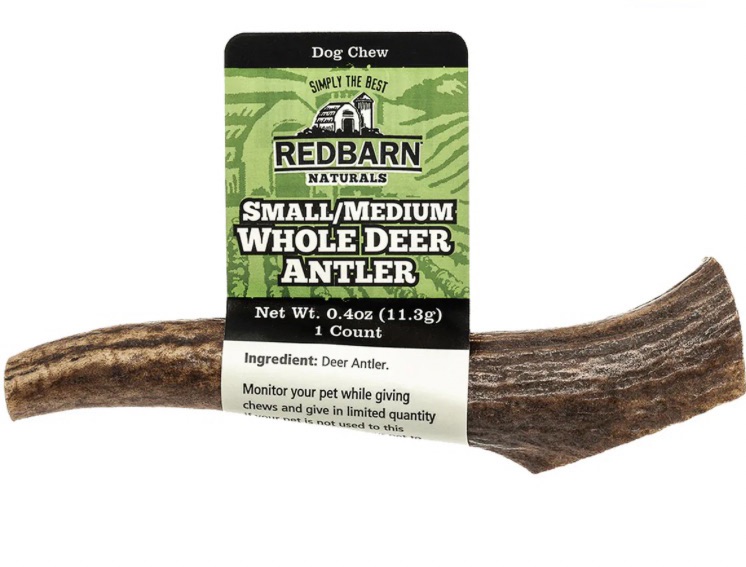
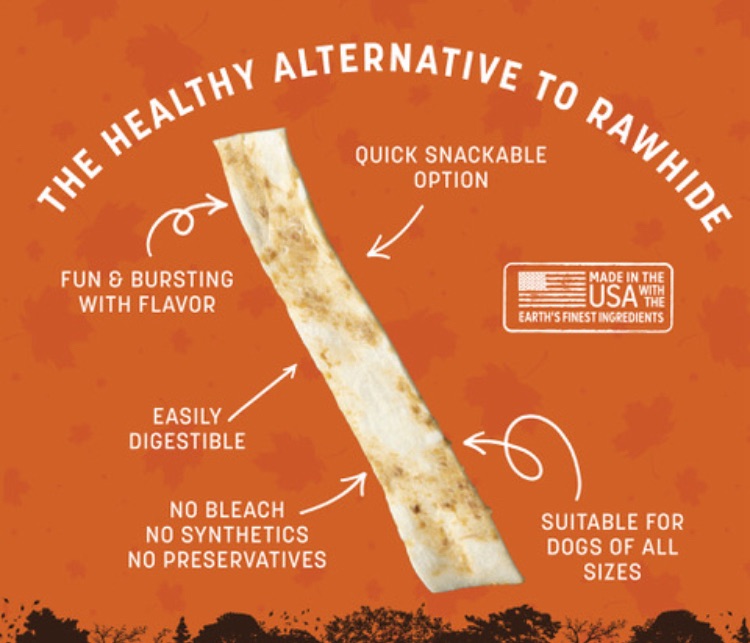
–Antlers. Deer and elk antlers are fantastic treats for your pet. They are naturally shed meaning no Deer or Elk are ever harmed to acquire the keratin antlers. Although not recommended for senior dogs or puppies!
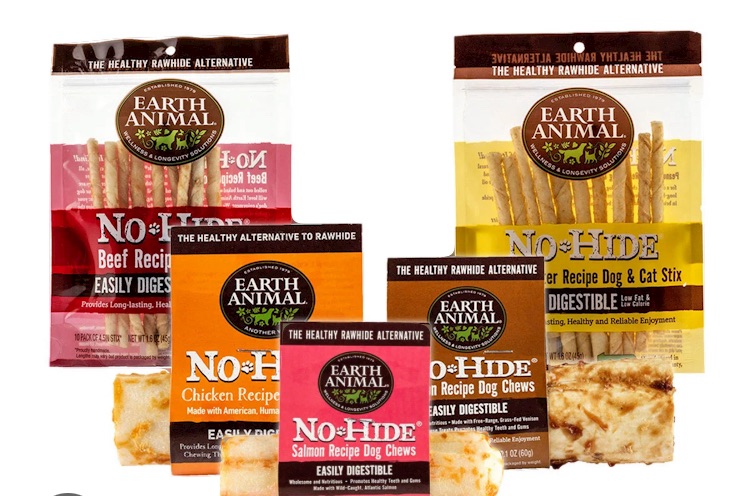
-NO-HIDES. This recipe is made by a Veterinarian with the intention to give your puppy a comparable chew to rawhide’s; however, ultimately it is 100% digestible. Made from organic eggs, brown rice, agar agar, pineapple stem, and your pup’s flavor of choice (and there are 6+ flavors!).
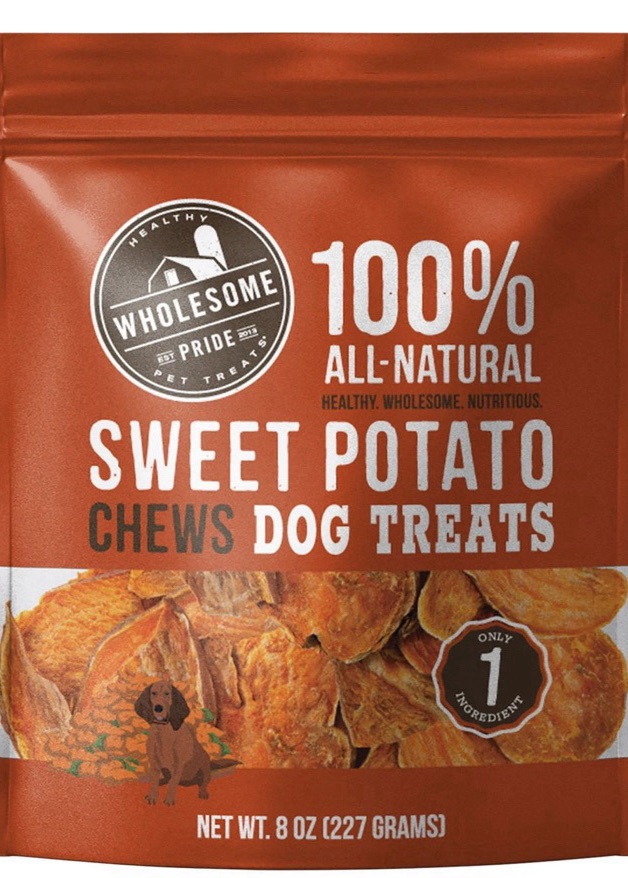
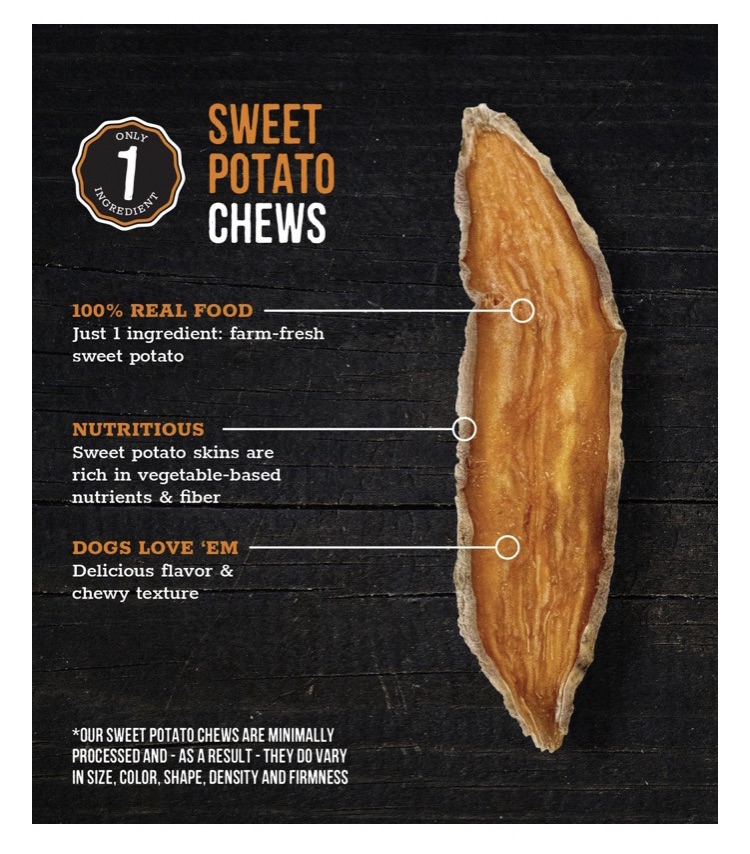
-Sweet Potato Chews. Sweet potatoes are the ultimate light snack for your pup and good for the digestion. HOWEVER very high in carbs. So moderate.
-Frozen Carrots. Frozen carrots are natural treats that most dogs love. They are yummy baked like chips as well.
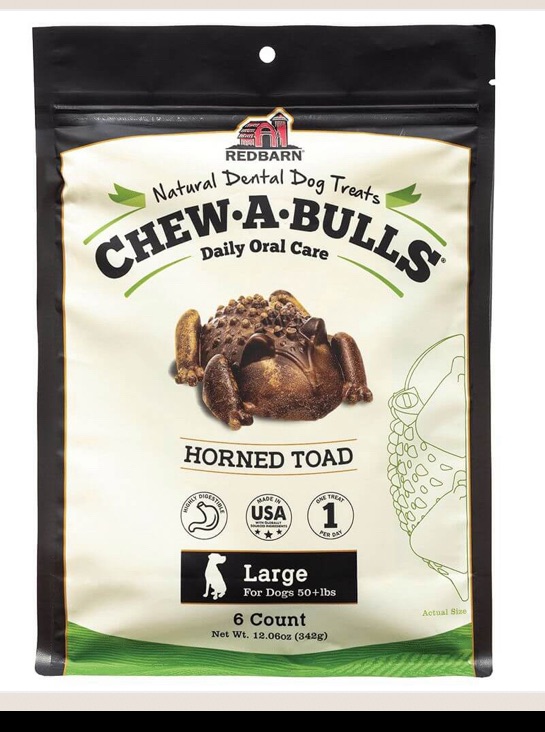
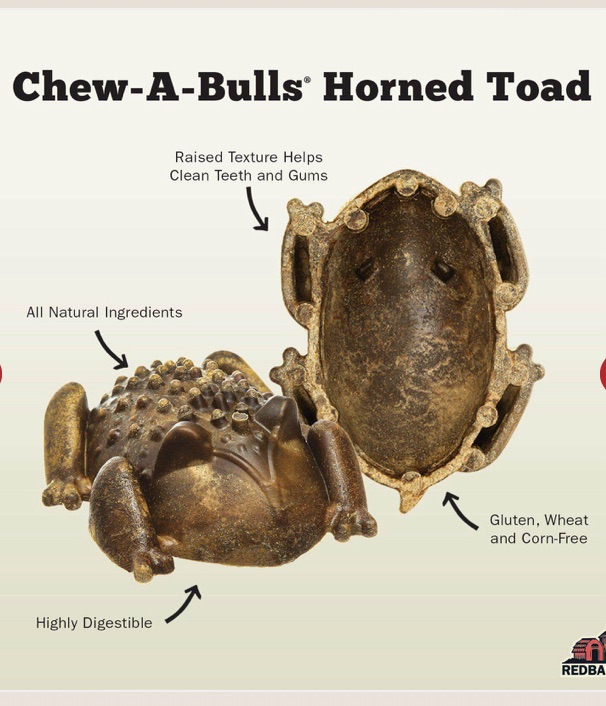
An all-natural dental chew AND my Leila’s fav! Made with Potato Flour, Miscanthus Grass, Vegetable Glycerin, Brown Rice Flour, Natural Flavor, Sunflower Lecithin, Parsley, Cultured Skim Milk, Cumin. The nooks and crannies provide for great teeth cleaning and they are so cute!
Collagen sticks for dogs are a chewable treat made from collagen. Collagen is an essential component for healthy skin, coat, and joints. It is also the main protein found in the connective tissues from beef, bovine, chicken, or fish. The collagen is processed into a bar that dogs can chew on.
Including Collagen Chews in your dog’s diet is an added protein boost while promoting dental health. By opting for dog Collagen Chews, you can provide your dog with a tasty treat while keeping their fat intake in check.
Bone Appétit and remember to always be the person your dog thinks you are!
As July 4th approaches, many pets experience heightened anxiety due to loud noises. Fireworks are not just sounds to our furry friends; they are unpredictable, bright, loud, vibrational, and often leave a burning smell in the air. Your pet might feel like the world is coming to an end! Unfortunately, this instinct to either fight or flee usually results in more animals fleeing. As a consequence, animal shelters often become overcrowded during the July 4th holiday weekend with frightened and lost pets.
Dogs clearly exhibit stress in ways distinct from humans, and each one reacts uniquely. Even when your dog appears to be sitting quietly, he may be silently grappling with fear, anxiety, or panic.
Here are some SUPER IMPORTANT tips that you need to know to help keep your furry BFF feeling safe and calm during all of the Boom Boom and 🧨 Independence Day festivities.
📌1 – Wear your pet out! Be sure to take your potty walk early, long before dark and before the fireworks begin. If possible, make your outing a vigorous hike, walk or run so that fatigue sets in before the fireworks come out.
📌2 – Keep your pet safe INSIDE your home, away from doors & windows. I suggest a “safe space” – a quiet room or kennel, isolated from the party and noise with lots of safe toys, treats, blankets and perhaps even a shirt or pillow that smells of “you”.
📌4 – Make sure your pup’s tags, IDs and microchips are up to date, just in case.
📌5 – Keep your pet busy. Long-lasting Treats and puzzle toys can provide great distractions. PLUS the chewing will wear them out, distract and relax them.
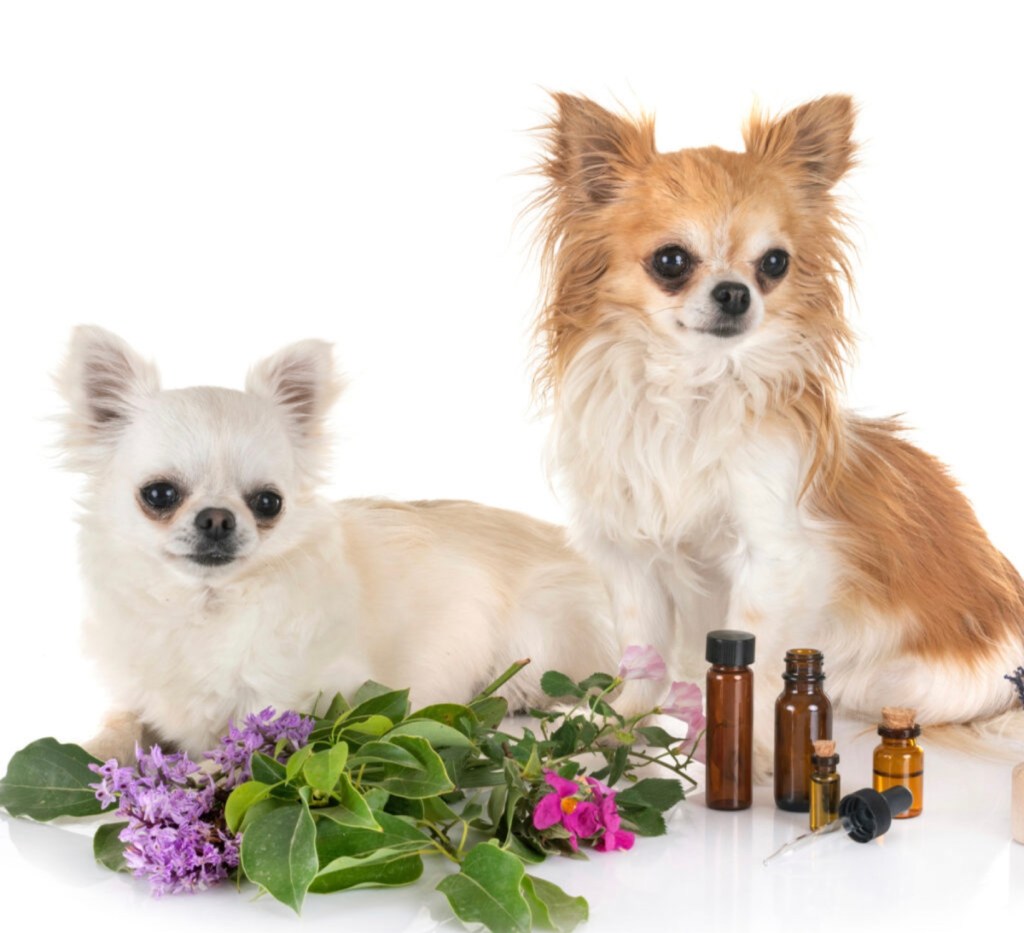
Essential Oils have been shown to have many desirable effects such as reducing anxiety and inflammation, fighting oxidative processes, battling toxins, fighting infections, fungi and viruses. Lavender can be used pure or diluted. It is useful in conditioning patients to a safe space. May also help with allergies, burns, ulcers, insomnia, 🚙 car-ride anxiety, car sickness, and as a Flea repellent, just to name a few. The fragrance of this oil is especially effective when used to relax certain mental states and boost memory.
📌7. Remove the visual stimulation. It is impossible to cover up the noise of fireworks, but you can still do your dog a favor by closing your shutters, windows, blinds, and drapes so they do not have to see the bright flashes of lights. If using a kennel, place a lightweight blanket over it to block out any light and create a restful sanctuary.
🐾Melatonin is the best calming natural supplement for dogs, and you can find it at any health food or grocery store. Give your dog from 1-4 mg orally depending on bodyweight, and try to give it a little bit ahead of the fireworks, if possible. 🏴☠️ALWAYS CONSULT YOUR VETERINARIAN FIRST!
You can also make an anti-anxiety wrap out of an elastic bandage. This will have the same soothing “huggy” effect as a Thundershirt. Use Ace bandages or non-adhesive body wraps. Wrap the bandage around the front of the dog’s chest below its neck. Bring the bandage up, cross it over its back, and wrap it down under its torso behind its legs. Bring the bandage up again and tie it over the dog’s back. 🚩The bandage should be snug but not constricting. Just enough to provide light pressure, like a hug 🤗.
For my local peeps in Big Bear Lake, come see me at Oliver’s Emporium in The Village and I’ll hook you up with the following relaxation productsthat we proudly carry.
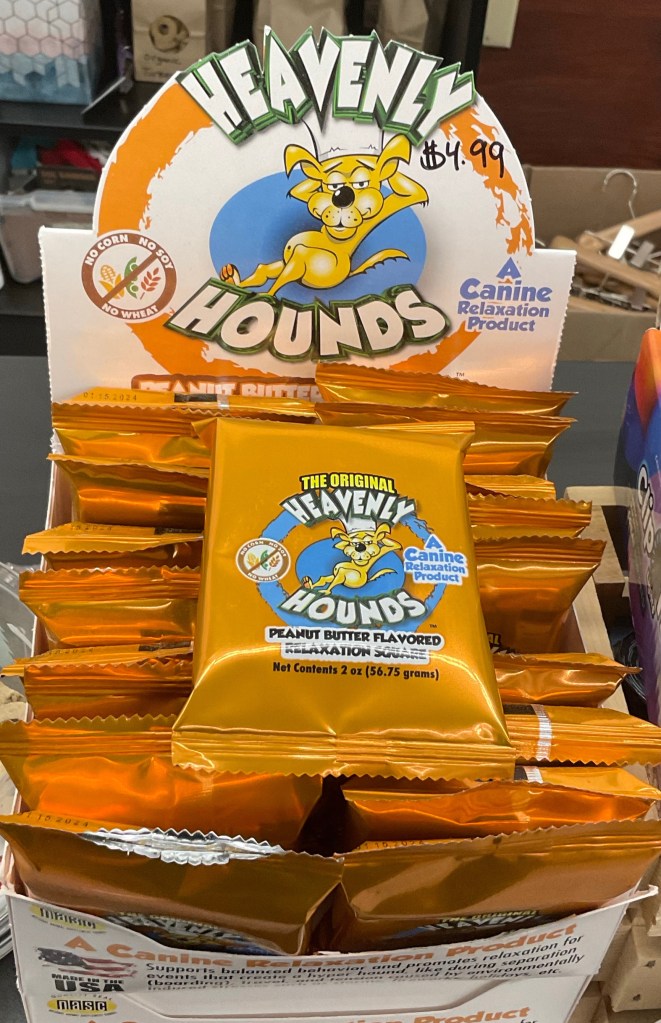
📌 HEAVENLY HOUNDS RELAXATION SQUARES FOR DOGS
Heavenly Hounds is an all-natural, gluten-free, peanut butter flavored “treat” for your dog to help with anxiety or stress from storms, fireworks, travel, or separation anxiety. Delicious, fast-acting, and made in the USA. Each 2 oz square contains a blend of natural active ingredients that include: Passionflower, Valerian root, Niacin, and Thiamin, plus yummy inactive ingredients like brown sugar, peanut butter, peanuts, ginger, and eggs. Long-lasting shelf life makes it perfect for keeping on hand for the occasional episode.
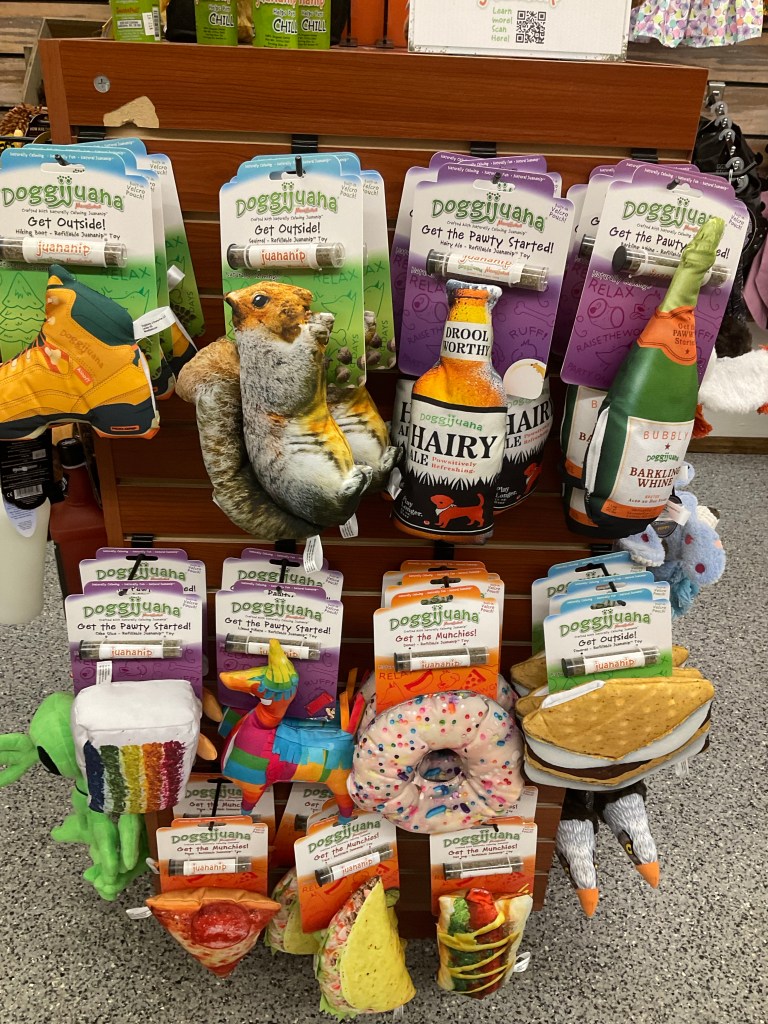
📌 DOGGIJUANNA
So why don’t dogs get that euphoric response? Well cats also have receptors in their cheeks and the roof of their mouths. This is why people and dogs don’t get the same reaction from catnip that cats do.
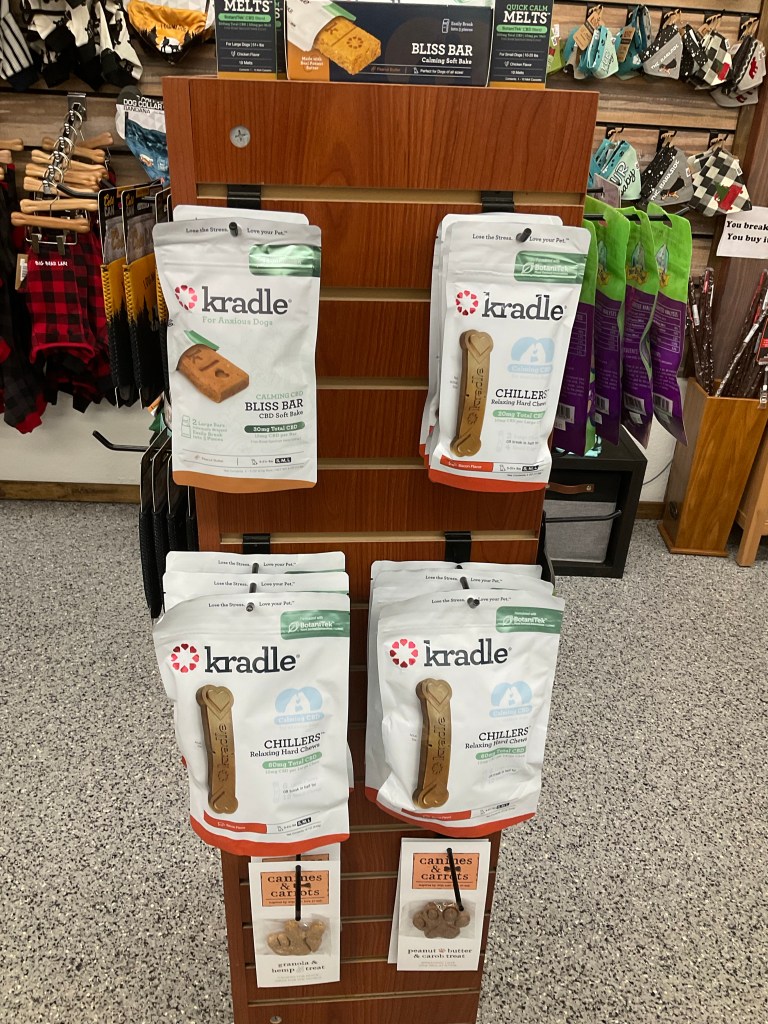
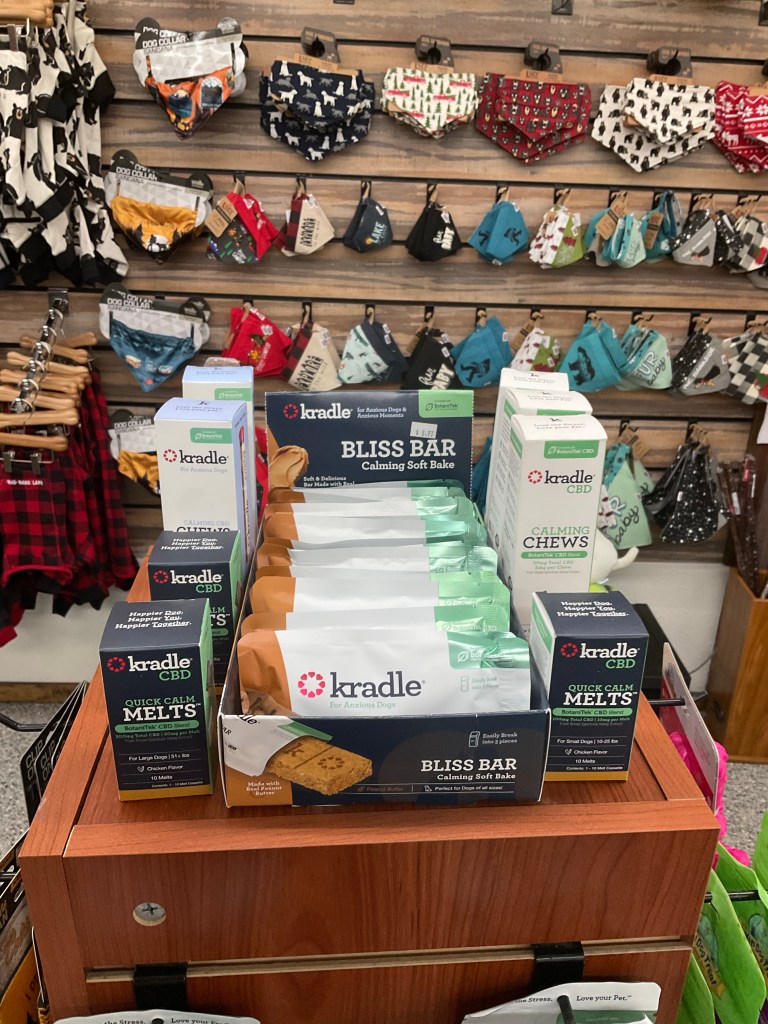
📌KRADLE
CONVENIENT STRESS RELIEF YOU CAN USE ANYWHERE Kradle® Chews contain a full, targeted dose of our BotaniTek™ formulation to keep your dog feeling calm every day. Even dogs with a picky palate look forward to receiving tasty chicken or beef liver Chews. Offered in small, portable tubes, bliss bars, melts and are easy for you to use and carry. HIGHEST QUALITY INGREDIENTS Chews contain broad-spectrum CBD derived from the highest quality American-grown hemp with natural flavoring and no artificial colors. All of our their products are tested and verified for purity and potency.
Consult your Vet before the holidays to discuss the best options and possible medications to keep your dog safe and comfortable if he has a history of anxiety, storm, stranger or firework phobia.
Most pets have some level of fear when it comes to fireworks. You know your FURkids best, so watch their body language and be mindful to their needs. When in doubt, remember PDSL- Prevention, Distraction, Soothing calm voices and lots of Love ❤️ are always the perfect RX for your FURbaby.
I long to sit in council with GYPSY SOUL WOMEN. Women who carried burdens and chose to love the wounds until love became the place where peace enters the heart. Women like my dear Stefanie LaRue. Her life was her Mission.
I long to be in the presence of GYPSY SOUL WOMEN. Those that sing their heart’s calling in Voices of paradise and feathers surrounding their crown.
I long to cry withGYPSY SOUL WOMEN. Resilient strong sisters nurturing the Wound of the World. Caretakers of the Light standing like a lighthouse on the edge of humanity.
I long to make magic withGYPSY SOUL WOMEN. Emotional alchemists healing the silence of what hurts inside believing in the magic of forests, rivers and mountains.
I long to walk in the company ofGYPSY SOUL WOMEN. Women who have deep convictions. Women of immense courage. Women who seek the truth and stand up for what they believe in.
I long to write in the company of GYPSY SOUL WOMEN. Women who feel the poetry of their hearts. Metaphors-Makers. Dancers. Wordsmiths. Weavers of stories. Meaning Makers. Uplifters of Souls.
And yes, so grateful to be surrounded by YOUGYPSY SOUL WOMEN. Givers. Nurturers. Healers. True Soul-Makers. Together Making the Soul of the World as We Live our Truth.
As a pet parent, there’s nothing worse than watching your furry friend constantly scratching, biting, and licking themselves in discomfort. While occasional scratching is normal for dogs, excessive itching can be a sign of an underlying issue that needs attention.
Why Does My Dog Itch?
There are many reasons why dogs itch, including allergies, fleas, skin infections, and even boredom or stress. Allergies are one of the most common causes of itching in dogs and can be triggered by a variety of things, including food, pollen, dust, and more. Flea infestations can also cause itching and irritation, leading to hot spots and skin infections.
Leading Causes, Symptoms & Treatment
There are a number of reasons why your dog may start scratching, licking or biting at their fur. Some of the more common dog skin problems include:
Parasitic Bites
Bites from fleas and mites are one of the most common sources of itching in dogs, and one of the easiest to treat. You can also proactively give your dog medication to avoid fleas, mites, or ticks in the first place.
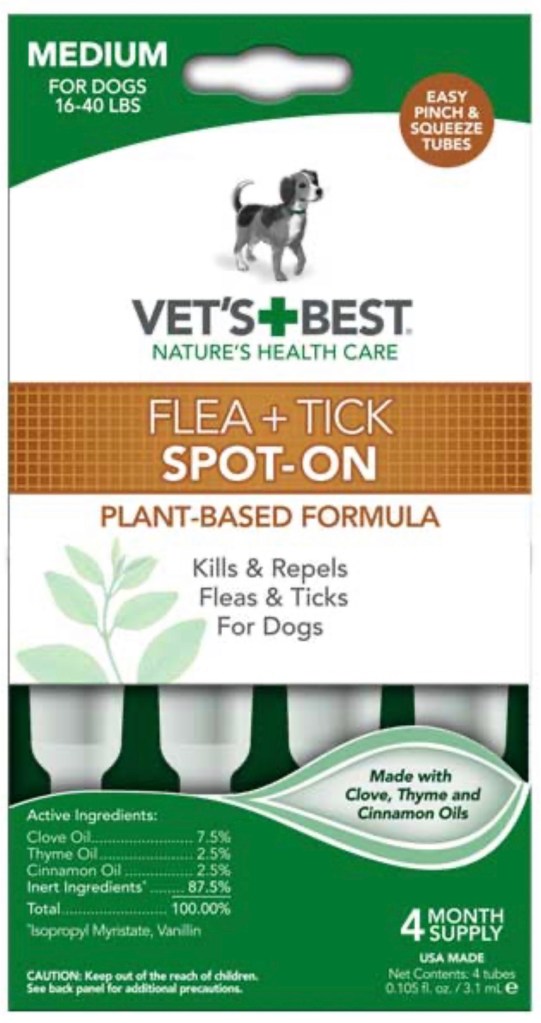
Please use natural flea prevention to avoid infestations. I suggest brands such as Vet’s Best or Tropiclean.
WHY USE ONLY NATURALPREVENTION? Because most of the commonly found chemicals found in flea repellent products are cause for serious concern; including permethrin, tetrachlorvinphos (TCVP), cyphenothrin, phenothrin and propoxur, all of which have been scientifically proven to be harmful to dogs, cats and humans. My general rule is; “If you wouldn’t put it on or in your body, then you shouldn’t allow it on your FURbaby!”
Environmental Dermatitis
This is a skin irritation that develops due to contact with certain substances, such as grass, dirt, and plants. Symptoms include itchy/dry or cracked skin, rashes, blisters, redness, or swelling.
Suggested ways to alleviate this condition include antihistamines or oatmeal baths. Your vet may recommend a cortisone cream or other alternative depending on the severity.
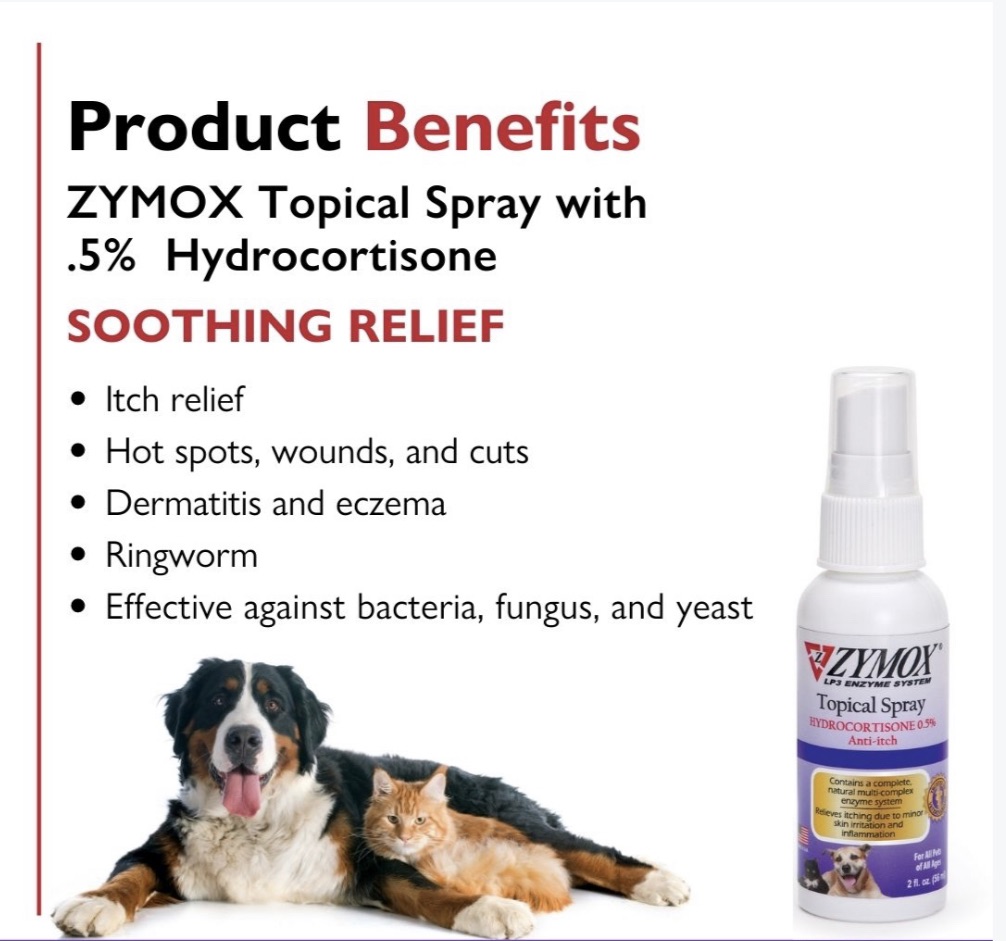
ZYMOX makes an amazing line of dermatological products to soothe and heal allergy-related skin issues. Did you know that most pets who have allergies also have ear infections? Focused on the health and wellness of small and large animals of all ages, Zymox products utilize the Power of the LP3 Enzyme Systemand have been Resolving Ear, Skin, and Oral Conditions for Over 25 Years.
Nutritional Dermatitis
This is a relatively uncommon issue for dogs, however, it is possible that they may have an allergic reaction to something in their food. Typically, nutritional dermatitis results in skin irritations and scratching, but digestive issues may happen as well, such as diarrhea or vomiting. If your dog is displaying either type of symptom, it’s best to make an appointment with your vet.
Skin Allergies
Some dogs are prone to allergies, making this a somewhat common reason to visit the vet. Allergens that cause itching can be found in pollen, dander, plants or insects, among other things.
Aside from itching, some of the symptoms of skin allergies include excessive grooming or licking, watery eyes and sneezing, rashes, and inflamed skin. Your vet may be able to diagnose what is causing the allergy and will recommend treatment as well as ways to prevent future allergic reactions.
Urgent Cases
If your dog’s itching persists for more than a few days, you should make an appointment so your vet can diagnose the issue and treat it. Prolonged itching can cause excessive scratching and biting at the itch which can create a self-inflicted injury. This can become serious if left unchecked.
Apoquel is a prescription medication that can help relieve itching in dogs. It works by blocking a specific enzyme in the body that causes inflammation and itching, providing fast relief without the side effects of traditional steroids. Apoquel is safe for long-term use and can help manage itching caused by allergies, flea infestations, and other conditions.
Tips for Pet Owners: While Apoquel and other prescriptions can help relieve itching, there are also many natural things pet owners can try at home to help their dogs feel more comfortable:
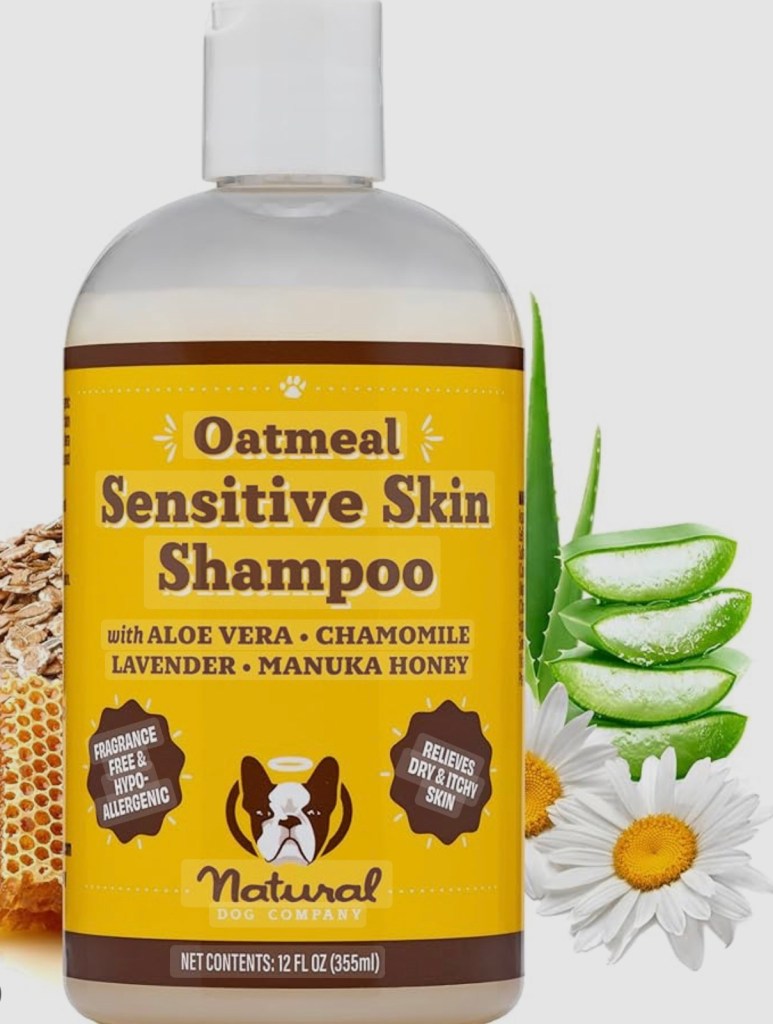
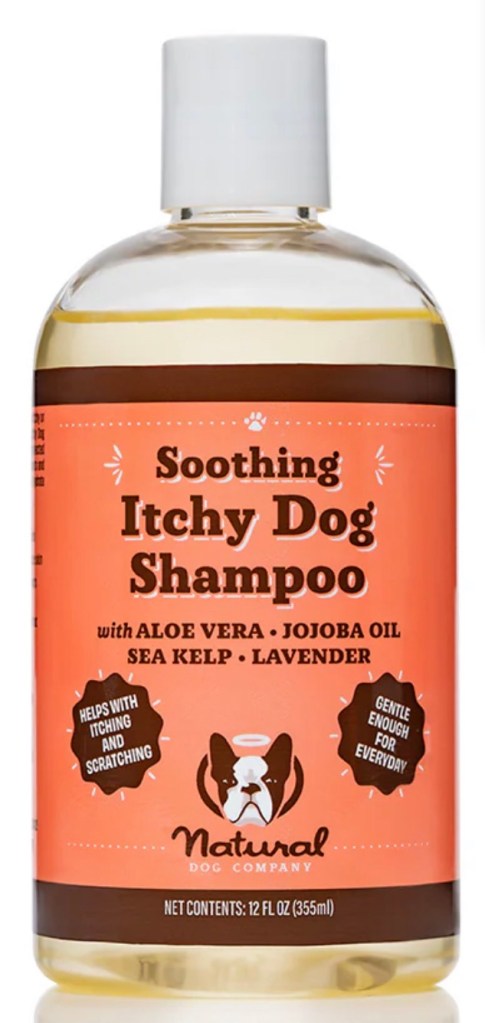
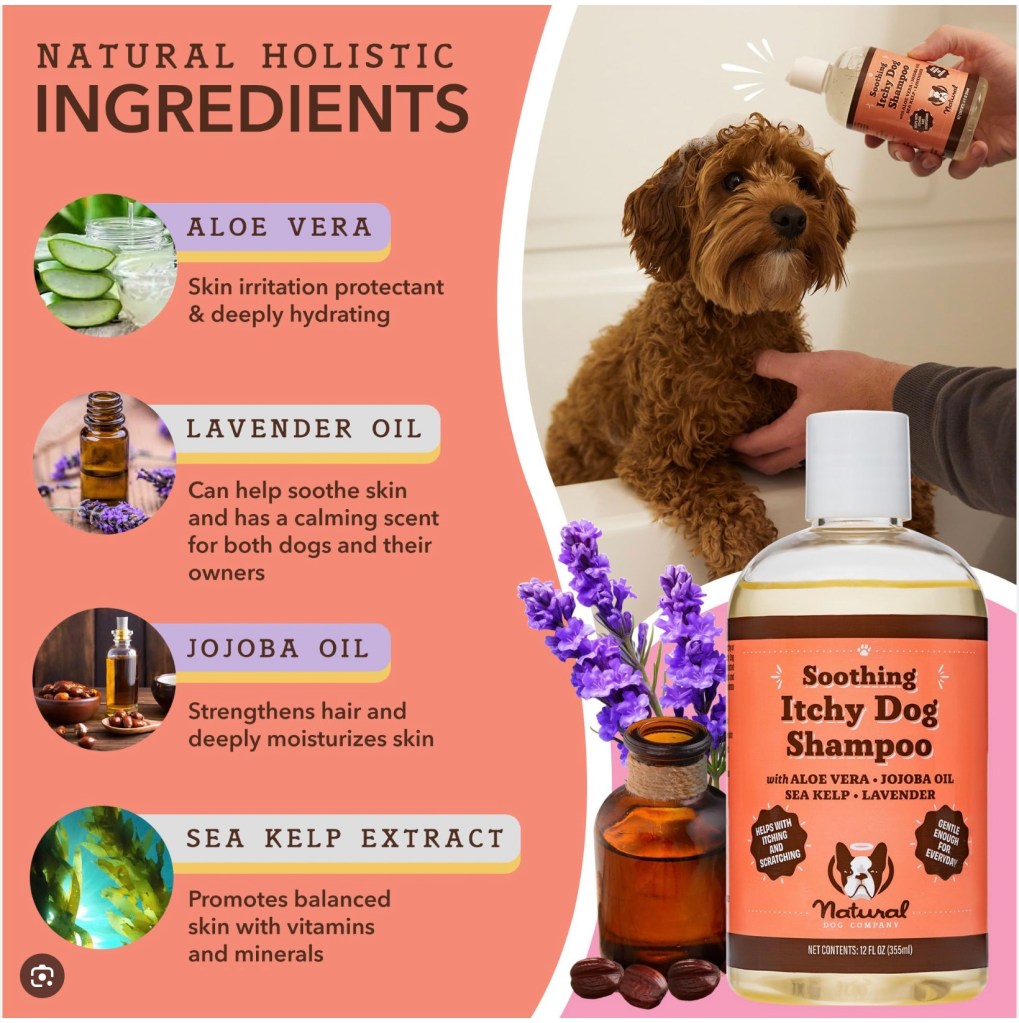
Keep your dog’s coat clean and well-groomed to prevent skin irritation. Bathe in moderation so as not to strip all the natural oils from the skin. Use a hypoallergenic colloidal oatmeal shampoo such as the PAWsome products from Natural Dog Company.
Identify and eliminate potential allergens in your dog’s environment, such as certain foods or plants.
Keep in mind any chemicals such as carpet cleaners, non-natural candles and atomizers used in your home. They can be toxicto your pets. The only fragrance you should use in your home should be made of bees wax, soy, and include ONLY certified organic Essential Oils. 🐾Some of the oils that fall into this “pet-safe” category include: Lavender Chamomile Myrrh Ginger Rosemary Bergamot Frankincense
CLICK HEREto view a list of natural oil fragrances and aromatherapy for dogs and cats. Keep in mind that cats are much more sensitive to the effects of essential oils than dogs are, and “natural” is not the same as safe. Consult your veterinarian with any product before using it around your pets.
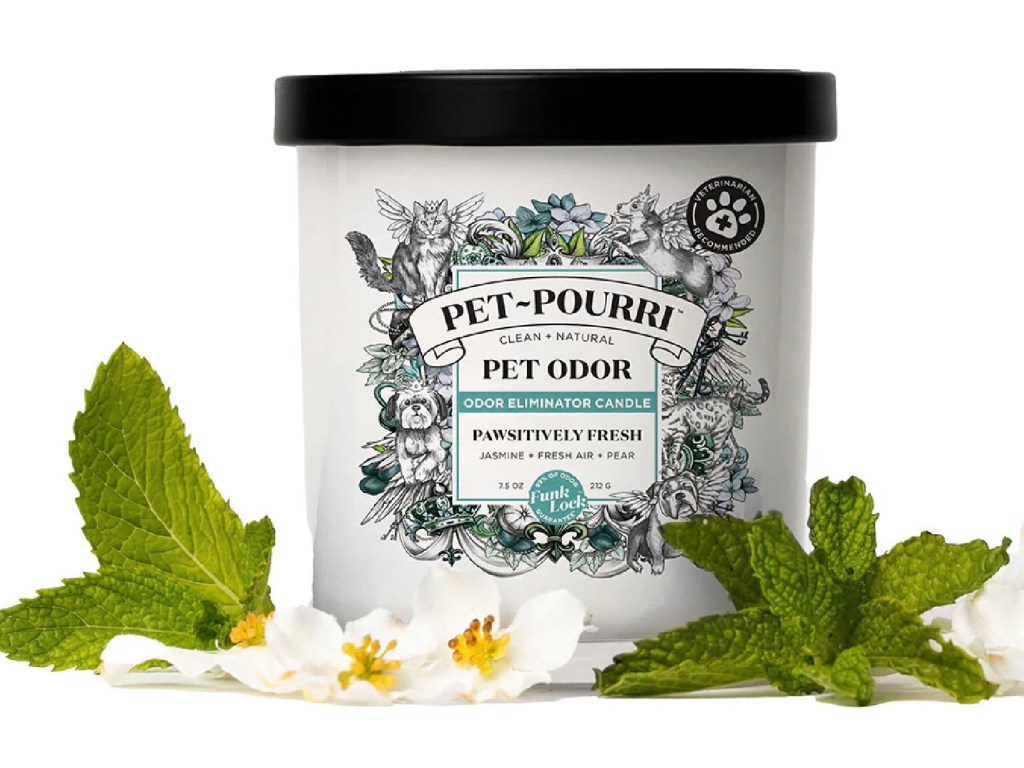
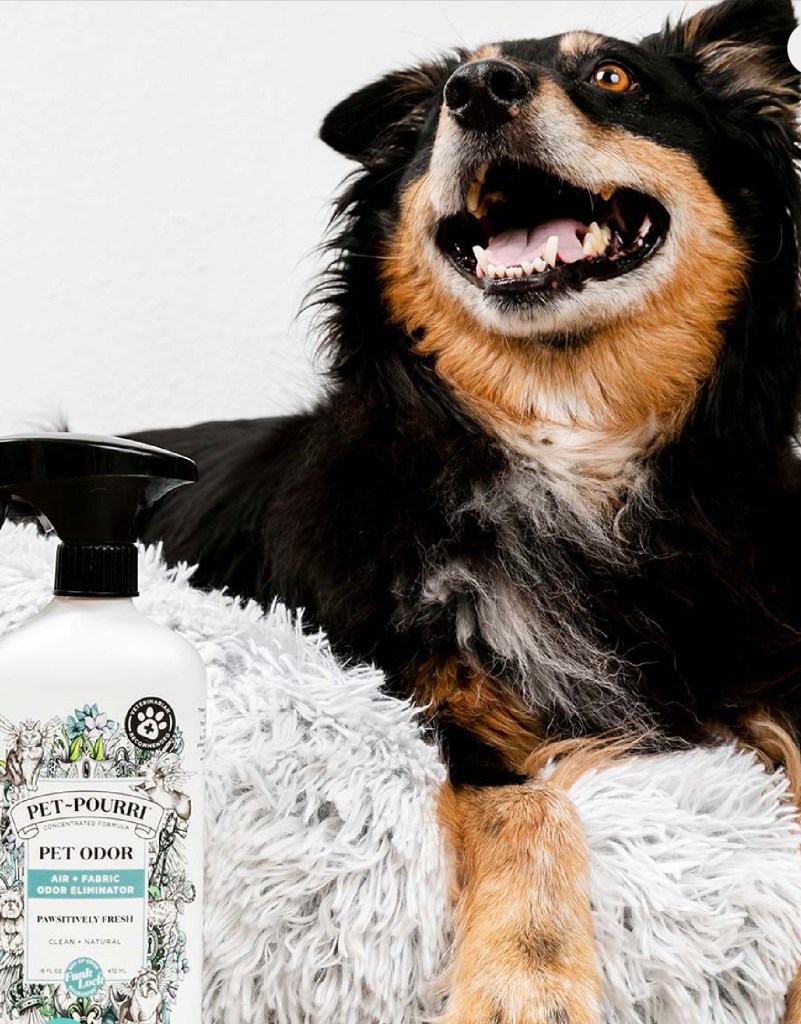
I am a huge fan of the PET-POURRI posse who make a safe odor-eliminating candle and products that are made with essential oils and plant-based ingredients to freshen pet odors—100% guaranteed safe for your pet’s. They have the fresh pet market locked-down with their pawsitively patented funk-lock.
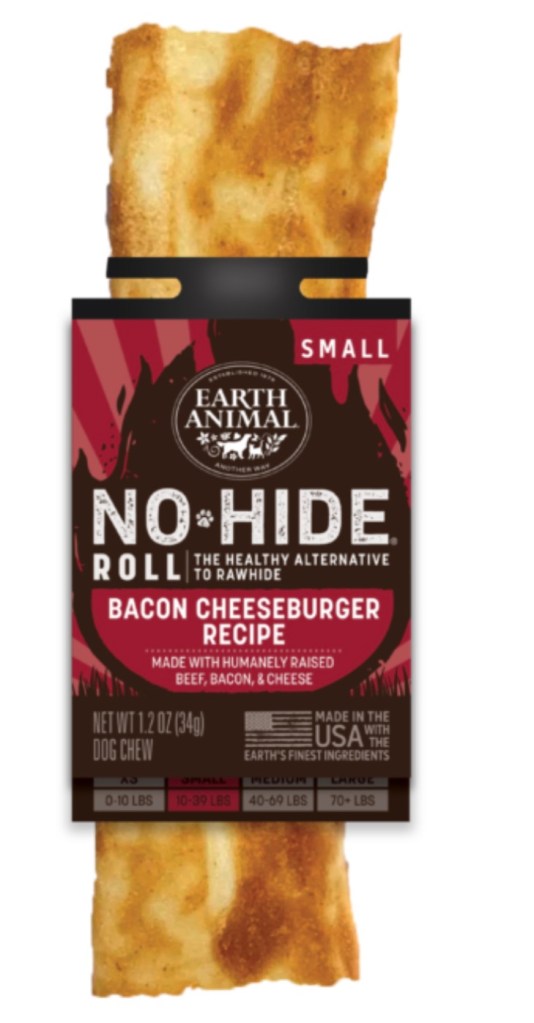
Provide plenty of exercise and mental stimulation to reduce stress and boredom. Always have something healthy and yummy available to keep your pup engaged. NEVER GIVE YOUR DOG RAWHIDE! Instead, consider collagen sticks, Bully sticks, or NO HIDES. NO HIDESby Earth Animal were actually created by a Veterinarian as a safe and 100% digestible alternative to Rawhide.
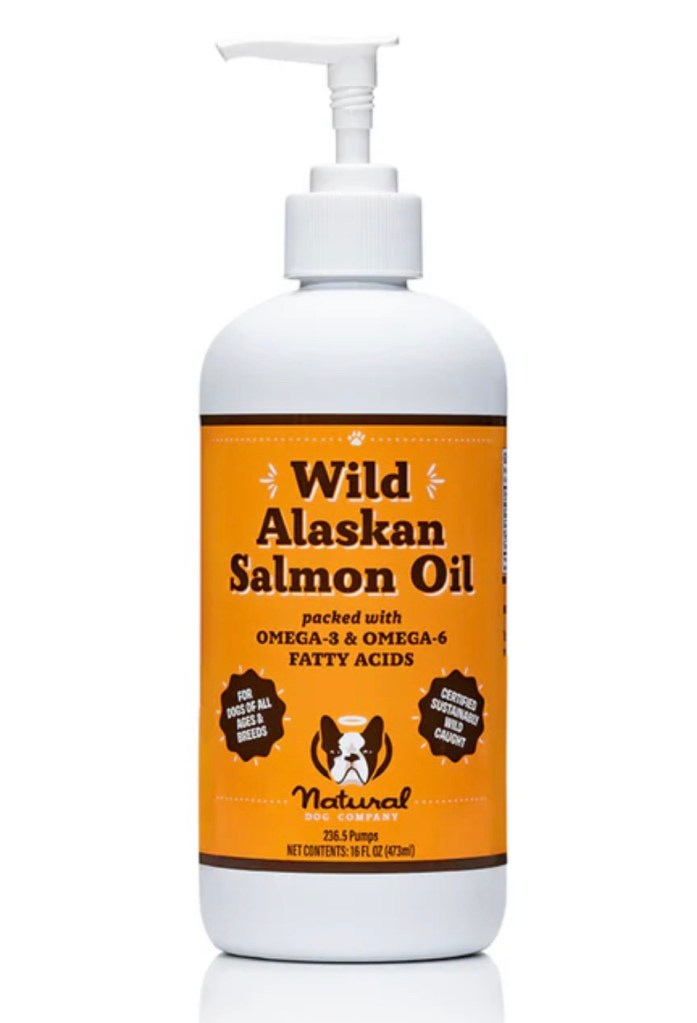
Consider a high-quality (perhaps grain-free or even Raw) diet that includes omega-3 fatty acids to promote healthy skin and coat or for a more consistent dosage try adding Wild Caught Salmon Oil or daily supplements to their diet.
Itching can be a frustrating and uncomfortable issue for dogs and their owners, but with the help of these simple tips, it’s possible to manage and prevent itching. As always, if you’re concerned about your dog’s itching, it’s important to speak with your veterinarian to determine the underlying root cause and develop an effective treatment plan.
If you are a Big Bear Lake local come see me at Olivers Emporium in The Village and I will give you a tour of all the products in this article. Otherwise, for My Gentle Reader‘s (lol) convenience, I have linked all the products for you.
Not only for the hummingbirds and bees but for us humans too. The petals of flowers are a kind of modified leaf, and the flowers are actually classified as a vegetable. Except for fruits and seeds, any part of a plant that is eaten by humans is considered a vegetable. While we tend to focus on their beauty and aromatic appeal, we have forgotten that many of them are surprisingly yummy as well as medicinal.
Flora and fauna have been used in a wide variety of cuisines around the world for thousands of years. At local restaurants, coffee shops, and teahouses, you might notice the pretty floral additions to the menus such as; rose macarons, lavender lemonades, hibiscus tea, or geranium sherbert.
Ancient Roman, Greek, Indian, and Chinese herbalists and Ayurvedic practitioners had plenty to say about the health benefits of eating flowers. The Incas, Aztecs, and Hindus also chose to include edible flowers in their sacred religious rituals. Some cultures chewed echinacea flowers in ceremonies, chrysanthemums were used in ceremonial beverages and cooking in ancient China, while lotus flowers have played an important role in Indian cuisine since the beginning of time. Records show that the cultivation of flowers as food dates back some 600 years, playing an important role in international food culture and cuisine.
Edible flowers include citrus blossom, clover, daisies, dandelions, hibiscus, honeysuckle, lavender, lilac, mums, nasturtium, pansies, roses, sunflowers, violets, and many more.
If you don’t have the luxury of growing edible flowers in your own garden, always remember when buying edible flowers to get only organically grown flowers, as they won’t be full of pesticides that are toxic when ingested. Always read the labels on the package to make sure that these flowers are indeed grown for human consumption and approved by the U.S. Department of Agriculture (USDA).
1. Roses
Photo by Jonathan Borba
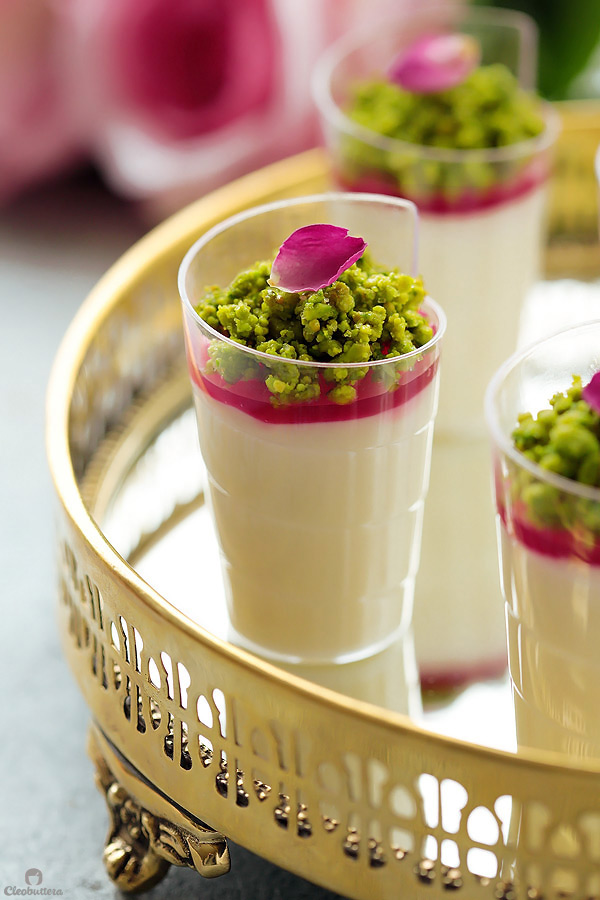
With their velvety petals and sharp thorns, roses have historically been the perfect symbol of the sweet and bitter aspects of Amore. The rose’s duality, beauty, and fragrance have garnered its use as a cultural symbol across the world. The fruit of the rose plant (rosehips) is an excellent source of vitamin C, and its oil is used in beauty products to this day. Rose petals steeped in water make a lovely aromatic, sweet tea. The stems and leaves of rose plants are just as edible as the petals and can be used to add a subtle sweet delicate flavor to baked goods, cocktails, chocolates, and desserts. Try this refreshingly spicy rosewater and cardamon coffee. Roses can also be candied, made into a simple syrup, and infused with honey. For a special and exotic treat, try something daring like the traditional Arabic-style milk pudding infused with a touch of rose and orange blossom waters (Rose Mehalabya), adorned with rose syrup topping and garnished with caramelized pistachios. Amazeballs! Truly a beautiful feast for the eyes, tastebuds, and all the senses.
2. Violets
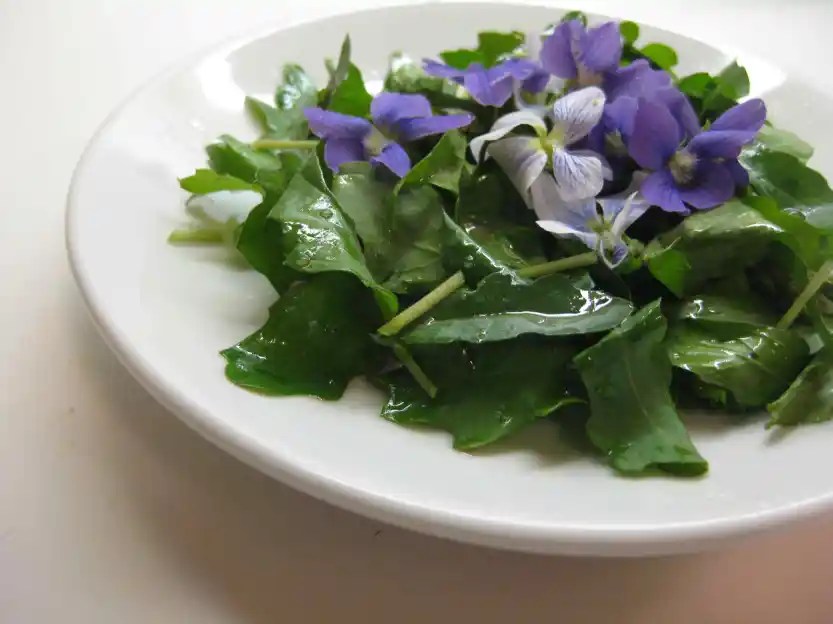
Violet petals can and should be used in just about all the same way rose petals can. Their petals are sweet and their leaves taste like spinach, with twice the vitamin A of spinach and twice the vitamin C of oranges. Wild violets come in over 100 different varieties. Although they all are edible, some are tastier than others. The common blue violet is the most harvested. Violet petals make a delicious vinaigrette, a superb jelly.
3. Lavender
Native to the Mediterranean and parts of Asia, Africa, and Europe, lavender thrives in more temperate climates. A little-known fact is that lavender is actually part of the mint family, Lamiaceae (previously Labiatae). In fact, there are many other plants in the mint familia that would surprise you including; bergamot, holy basil, sage, etc. For the most part, lavender is used to infuse and season oils and syrups, as a refresher to teas, lattes, or lemonades, to flavor ice cream, and to add a frilly floral sweetness to desserts and other baked goods. Lavender is not only yummy as taste-bud therapy but also beneficial as aromatherapy. For dogs, Lavender also serves as a natural flea repellent. DO NOT USE IT ON CATS.
4. Calendula (not Marigolds)
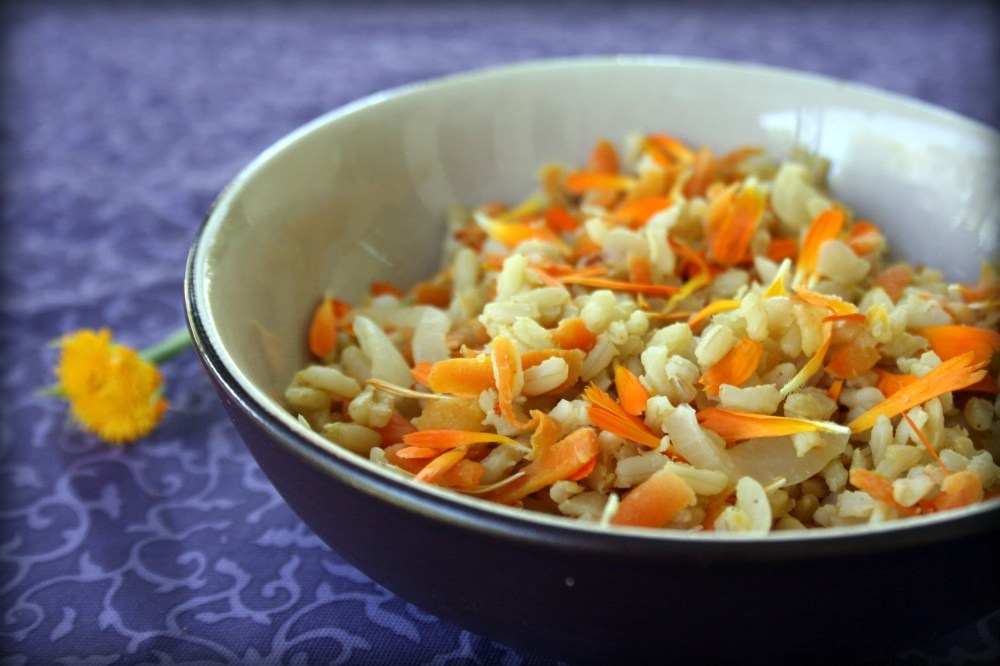
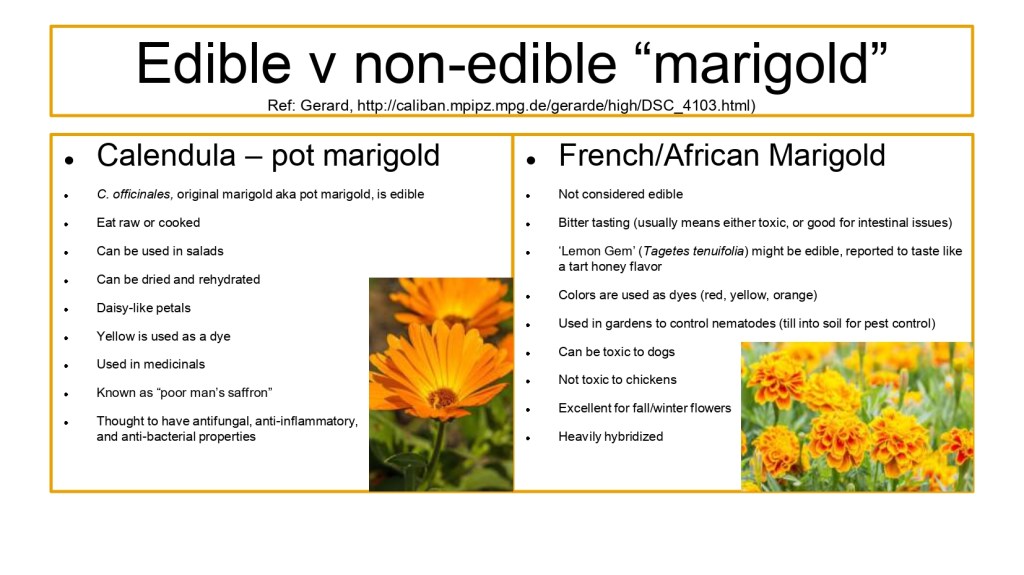
Let’s first differentiate between marigolds and calendula flowers. Calendulas feature long petals and round, wide leaves. While Marigolds (Tagetesspp.) have shorter, compact petals and thinner leaves. Although both plants are part of the daisy family, calendulas look more like daisies. Calendulas add a peppery pop to salads, salsas, scrambled eggs, quiche, and frittatas pasta, bread, and iced teas. Calendula blossoms can also be added to soups, rice, risotto, or creamy cheese dip to add a dash of that sexy gold color and a mild peppery, saffron-ish flavour.
5. Pansies (the happiest flower EVER!)
The pansy is not just another pretty face! Some varieties of pansies have a mildly sweet flavor, and some have a more wintergreen flavor with the intensity growing the more you consume. For example, a whole flower tastes stronger than consuming a few petals at a time. You can eat the pansy flowers in salads and sandwiches, or as garnishes on top of petits fours, cupcakes, frosted cakes, or parfaits. Dress up your cocktails with cute little ice cubes frozen with pansies and blueberries inside or make an elegant ice mold with an entire bouquet frozen inside that will delight your guests! Try these adorable mini lemon-pansy tartlets.
6. Nasturtiums
These golden lovelies make an appearance in nearly every ancient culture. Records show that its cultivation goes back some 600 years, playing an important role in French and English culture. These bright orange and yellow flowers have a slightly spicy, peppery flavor similar to watercress. They pair well with salty or pickled snacks and salads. Their seeds can also be soaked in vinegar and used as a caper substitute. Nasturtium is also a natural antibacterial agent. For this reason, some use it to sanitize wounds and help treat respiratory issues, such as bronchitis and congestion, in addition to urinary tract infections while.
7. Hibiscus (Jamaica)
ALOHA hibiscus! The savory flowers of tart tropical hibiscus flowers are most often used to make a dark pink tea, frozen treats, cocktails, chutney, cider and anything that you want to add an earthy-cranberry-like-taste to, made even more delicious when you add a fresh lime. Pairs well with lavender, mint, rosemary and thyme. These hibiscus glazed chicken wings will give you a spicy little kick.
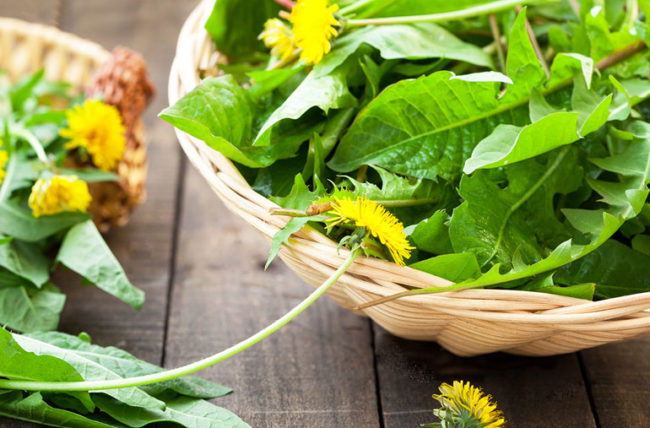
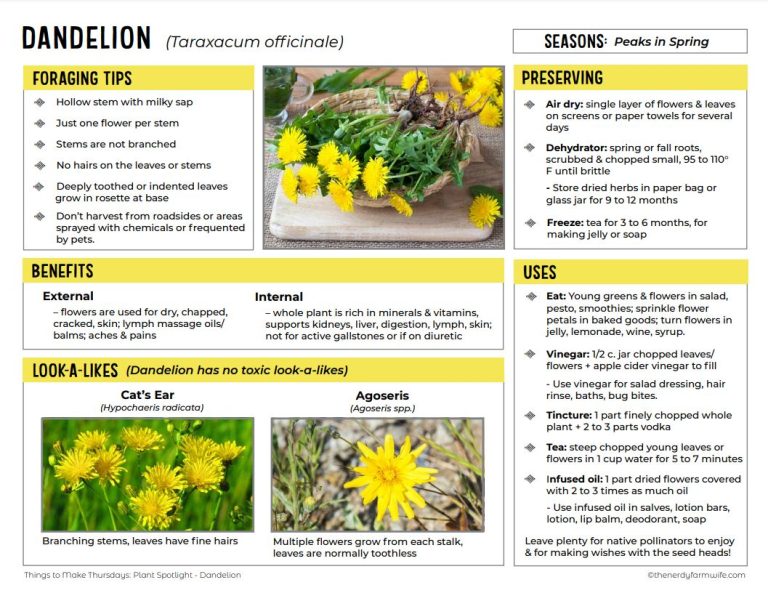
8. Dandelion
These super-food “weeds” have roots and leaves and the flowers are not only happy and pretty but also tasty and nutritious. Every part of the dandelion plant is edible and packed with nutrients such as vitamins A, C and K, folate, calcium, and potassium. In addition, they contain several different types of antioxidants throughout the roots, leaves and flowers.
The Celts drank dandelion flower wine as a digestive aid. The flowers are colorful toppers to salads, especially dandelion green salads. They can also be fried, made into fritters or used in desserts. Dandelion greens are the red and green leaves that grow from the hollow stem of a dandelion plant. The leaves have an earthy, pleasantly bitter flavor that is easily mellowed after they’ve been cooked, and you cook them as you would cook kale, chard, mustard greens, or spinach.
The flowers are especially treasured for their mild analgesic (pain-relieving) properties, making them an excellent addition to products designed for sore muscles or other external aches and pains.
9. Geranium
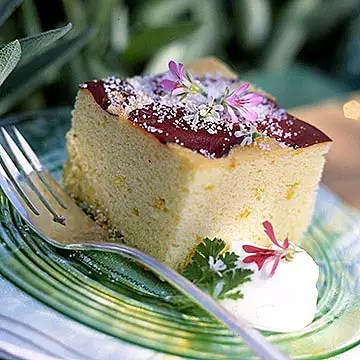
While not as commonly used in food as roses and lavender, use geranium as a flavor additive in ice creams, lemonades, and pastries, if you want to achieve a light citrusy flavor. The tanginess and fragrant aroma of the geranium leaves make them distinct from the sweeter flavors of other flowers and the savory flavors of some herbs. There are many varieties of scented geraniums and the leaves and flowers have a taste reminiscent of each variety; for example, the lemon geraniums have a citrusy flavor, rose geraniums taste perfumey like a tea rose, nutmeg geraniums, and ginger geraniums taste like those spices.
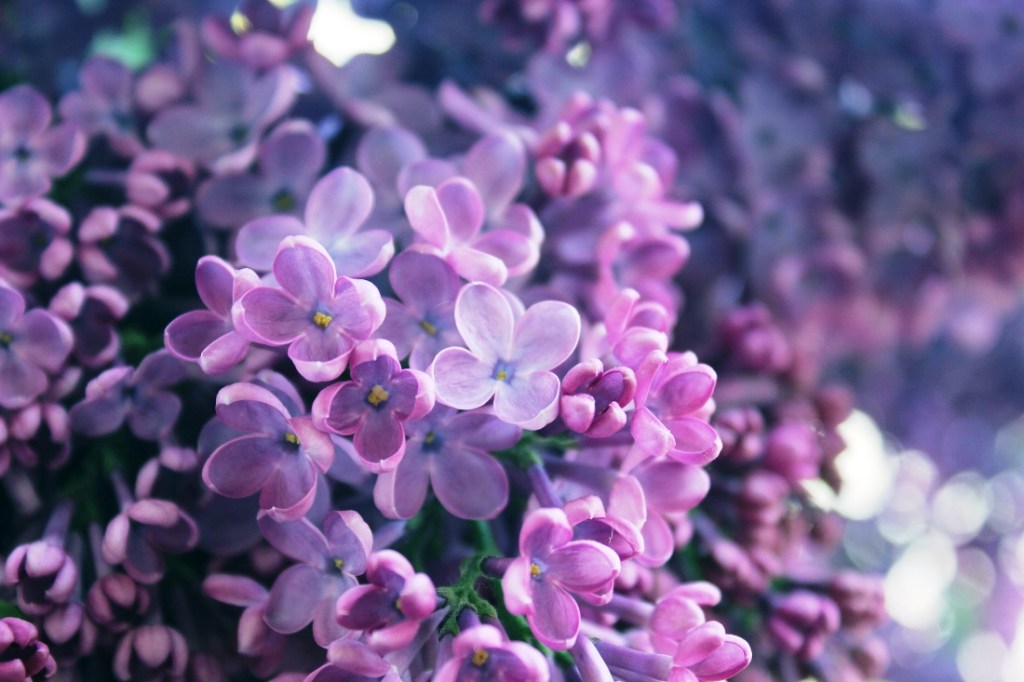
10. Common Lilac (Syringa vulgaris is the only variety the FDA approves for human consumption)
If you’ve ever enjoyed the intoxicating scent of lilac, you can imagine how sweet they taste. A perfect sweet treat to add to summery drinks, frozen yogurt, or hot tea. SHOCKER ALERT! Lilacs are part of the olive family. Yes, I did say olive family. These shrubs belong to the Oleaceae family, which includes over 20 different plant species, including olives, ash, and jasmine.
These angelic, fluffy pink, purple-blue blooms can be harvested, and each flower individually hand-plucked off its stem and soaked in a bath of cream to let the flowers infuse to make the most creamy dreamy ethereal out-of-this-world gelato or ice cream. The simplest way to capture lilac essence (since it has no oil in it naturally) is to make lilac-infused sugar syrup. Once you have enough syrup you can then use it to make decadent retro cocktails, frosting, beautiful and delicious candied flowers for decoration or garnish, cupcakes, and beautiful fancy petits fours.
Not all flowers are edible, and some are pretty toxic (like daffodils) so be sure to identify and research before you taste! You should only eat flowers that are grown organically, without chemical pesticides, which rules out almost everything from florists to garden centers and nurseries.





















































 Mindful Paws PR