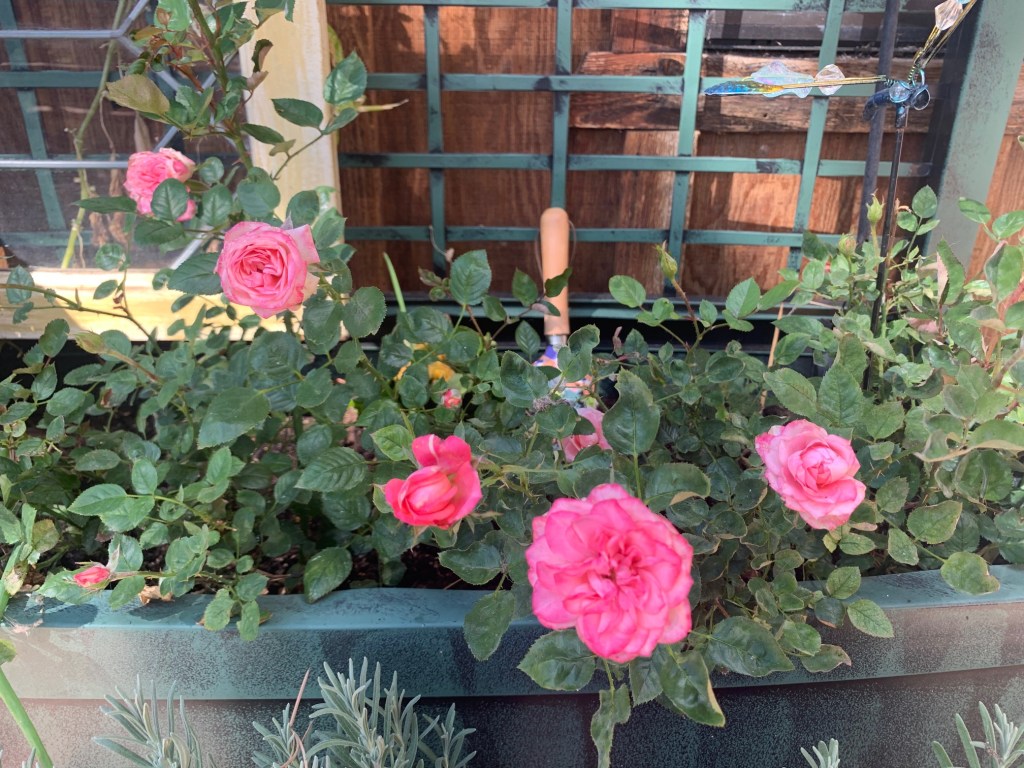
Don’t even think about throwing away your eggshells! Sometimes, you just need to let Humpty-Dumpty crumble and fertilize your garden! Eggshells are chock full of trace elements of calcium and potassium. Specifically, the shell of the egg has 0.3% phosphorus, magnesium, and traces of sodium, potassium, zinc, manganese, iron, and copper. They do not provide all the nutrients your plant needs; however, they are an EGGcellent supplement to your regular fertilizing regime.
Crushed Eggshells For Plants Is Hard To Beat!
Why Use Eggshell Water?
As a much better organic alternative to traditional fertilizers, you could make your own eggshell water (tea) and mix it right into the soil. This organic approach is quick and will deliver rich benefits for both plants and animals living in the microbiome as well.
Environmentally friendly source of mineral fertilizer for plants
Allows you to compost material from the kitchen.
Saves you the cost of fertilizer and prevents chemical burns attributed to using inorganic fertilizer .
How Does It Work?
The Jeff Gillman Experiment
Dr. Jeff Gillman, a researcher and horticulture professor at Central Piedmont Community College in Charlotte, NC, and of The Truth About Garden Remediesuprooted the truth on a few of the many garden myth remedies. He boiled an eggshell in a few cups of distilled water just for kicks to see what would happen. After boiling, the shell remained in the water for twenty-four hours. Afterward, he sent the eggshell water to be tested in a lab. The scientific results were crazy! Three elements that increased in low concentrations were sodium, phosphorous, and magnesium. Two other elements also increased with higher readings: Four mg of calcium and potassium content! You may be saying to yourself right now, “Big woop! Four mg is a very small quantity“, but consider that fact that this amount comes out of just one eggshell. Boiling ten eggs will increase your plant’s concentration in all five of these elements!
One of the most efficient ways to get these trace elements into your soil is with eggshells. There are two methods to extract their EGGcentric goodness: whole, which you can put directly on top of the soil (if you don’t share your garden with Bears and Raccoons because they love eggs!); or finely crushed in a tea for a more compostable effect. Basically, boiling eggshells in hot water is a great way to steep out the potassium, calcium, and nutrients from the shell in a soluble form directly into the water. This eggshell tea can work as a nice calcium-potassium shot for your plants, and these minerals can also help raise the soil pH slightly. This soil pH is essential for plants that grow in alkaline conditions since their ability to absorb calcium does not depend on how high (or low) its pH level may be.
Calcium is the most important mineral in a plant’s root development. It strengthens stems and leaves while providing structural support cell walls, it acts as immunity towards disease, it wards off dehydration, and it optimizes your precious plant’s growth potential! A plant’s ability to withstand water loss, and environmental elements such as heat, cold, and frost is dependent upon the mineral potassium. There is even evidence that it can help your plants grow faster and with higher yields.
The Eggs-quisite Recipe
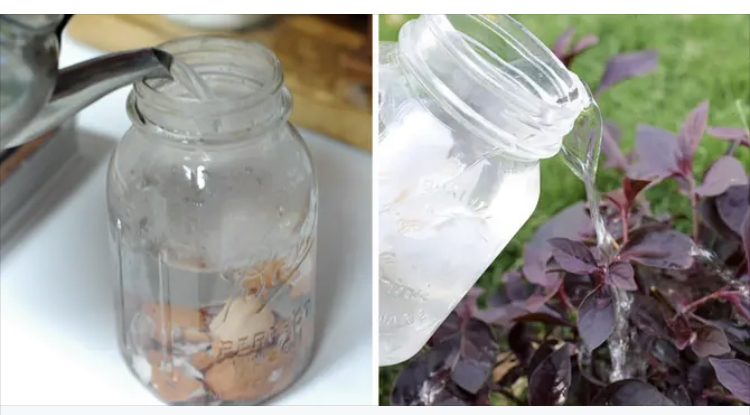
So next time you are making a delish Frittata, dry the empty eggshells. The more eggs, the richer your tea will be. Boil a gallon of water. Rainwater would be my water of choice because it contains a more soluble form of calcium (calcium carbonate)and is saturated with carbon dioxide. Calcium carbonate is actually a crystalline form of calcium that Mother Nature has designed so beautifully. This nurturing, Motherly calcium egg layer is delicate yet strong enough to protect the growing embryo inside. Rainwater harvesting is of great importance and global relevance as it directly impacts the climate crisis as our world experiences drier and longer droughts, depletion of groundwater, and freshwater pollution from saltwater flooding.
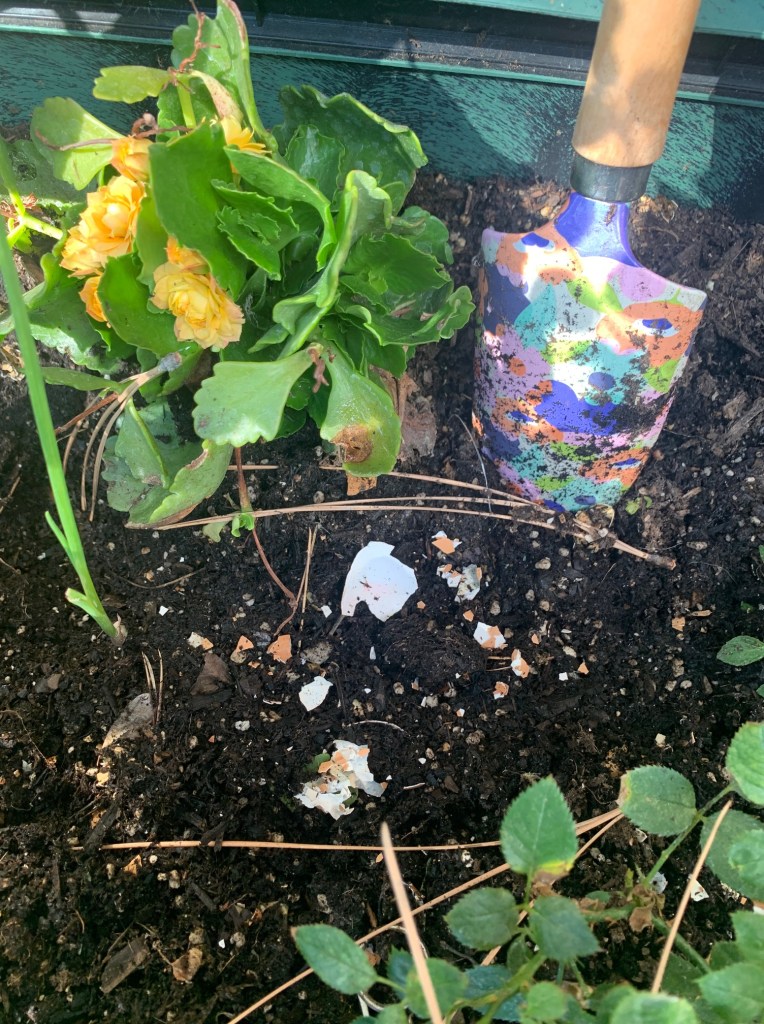
Now back to my little egg story! Next, use a mortar and pestle to crush up the dry eggshells. Put the eggshells in the boiling water. Let the concoction sit for twenty-four hours. Since water makes up approximately 85% of a plant’s weight, both bottom and top watering will help carry essential nutrients and minerals from the soil to the cells, making the plant healthier, stronger, and more resilient. In comparison, bottom watering plants keeps the soil evenly moist so that the entire root structure gets watered; however, top watering encourages the presence of fungus and gnats while the water can be channeled out of the soil, not being able to reach the entire root structure. Combining both methods together will eliminate these problems. Make sure to trowel and mulch the eggshell remnants deep down into the soil for maximum efficacy.
Speaking of mulching, here are three other kitchen hacks to help condition your soil:
Banana peel Water– Promotes a healthy bacteria population within the soil and adds the macronutrient, potassium which strengthens the plant.
Rice water– (no salt or spices added to water) Used as an Insecticide and promotes a healthy bacteria population in the soil.
Pasta and/or Potato Water– (no salt or spices added to water) Used as an Insecticide, provides starch, promotes a healthy plant growth
LOVE. The L Word. We obsess about it. Sing about it. Scribe about it. Fantasize about. Ache for it. Go to war over it. Dream about it. Loose sleep worrying about it. When we don’t realize that we have it, we idly search for it. When we finally discover it, we don’t know what to do with it. When we have it, we constantly fear losing it. It is a constant source of pleasure and pain. An endless ebb and flow of intense, cleansing emotions.
How can one of the most popular chew sticks on the planet be so dangerous for your pets?
As a Vet Tech, I have personally triaged dogs and assisted on many emergency surgeries from dogs consuming rawhide; either choking on it or developing dangerous bowel obstructions. Just check the product label. It ACTUALLY warns that these exact incidences can happen. Another major concern (besides intestinal blockage, pain, bloat, choking, and death!) is where these rawhide chews are made.
So, let’s start with what the heck rawhide really is. The name ‘rawhide’ is technically incorrect. A more accurate name would be ‘processed-hide’, as the hide (skin) isn’t raw at all.
Rawhide is not dehydrated meat or a by-product of the beef industry. Rawhide is actually the by-product of the “Leather Industry”, so theoretically it is a leather chew. Rawhide chews are made from the leather industry’s leftovers. Most hides are taken directly from the kill floors at slaughterhouses and placed into high-salt brines, which helps slow their decay (Insert gag reflex here!).
“Producing rawhide begins with the splitting of an animal hide, usually from cattle. The top layer (grain) is generally tanned and made into leather products, while the inner layer, in its “raw” state, goes to the dogs.” (TheBark.com )
The following is a paraphrased tutorial by The Whole Dog Journal from a few years ago. It explains in scary detail just how this toxic leather is processed and how it ends up in cute little enticing shapes and marketed directly to unassuming pet parents who innocently believe that rawhide is a dried “meat stick” and will release stress and reward our fury BFF’s with hours of fun. Wrong!
STEP 1: Normally, cattle hides are shipped from slaughterhouses to tanneries for processing. These hides are then soaked in brine and treated with a chemical bath to help “preserve” the product during transport and to help prevent spoilage. Keep in mind, that some of these hides are shipping from China and other countries which means more chemicals as brine alone does not preserve.
Once at the tannery: the hides are soaked again and treated with either an ash-lye solution or a highly toxic recipe of sodium sulfide liming. This process will help strip the hair and fat (yuck!) that may be attached to the hides themselves. These hides are then treated with more chemicals that help “puff” the hide, making it easier to split into layers.
The outer layer of the hide is used for goods like car seats, clothing, shoes, handbags, luggage, etc. But, it’s the inner layer, (along with gelatin and glue!) that is needed to make the rawhide.
STEP 2: Now that we have the inner layer of the hide, it’s time to go to the post-tannery stage! Hides are washed and whitened using a solution of hydrogen peroxide, bleach (and even harsher chemical whiteners). These chemicals will also help mask the smell of rotten leather. Yummm! 😡🤮
STEP 3: Now it’s time to make these whitened sheets of “leathery by-product” look delicious! This is where the creative artistic process comes in.
“Basted, smoked, and tinted (painted) products can be made literally any color (or shape and scent) underneath the coating made of yet more dyes and preservatives. They can even be painted with a coating of titanium oxide (what???!!!) to make them appear whiter and aesthetically pleasing from a merchandising perspective.”
“…the Material Safety Data Sheet reveals a toxic confection containing the carcinogen FD&C Red 40, along with preservatives like sodium benzoate. But tracking the effects of chemical exposure is nearly impossible when it’s a matter of slow, low-dose poisoning.”– (thebark.com)
STEP 4: Because the FDA does not consider these chews to be “food”, it’s an open market when it comes to the manufacturers. You see, with no restrictions on these leather strips (since they are not considered consumable food by the FDA), they are free to add basically anything to these chewies, to ensure that they last forever. Any type of glue may be added to get them to hold together and last forever. WHEN TESTED: Lead, arsenic, mercury, chromium salts, formaldehyde, and other toxic chemicals have been detected in rawhide chews.
Rawhide chews start out hard, but as your dog works the chew it becomes softer, and eventually, he can unknot the knots on each end and the chew takes on the consistency of a slimy piece of taffy or bubble gum. And by that time your dog cannot stop working it — it becomes almost addictive.
Some Healthy Alternatives to Rawhide that can be found in your local pet supply stores:
–Antlers. Deer and elk antlers are fantastic treats for your pet.
–Sweet Potato Chews. Sweet potatoes are the ultimate light snack for your pup and are good for digestion. HOWEVER very high in carbs. So moderate.
–Frozen Carrots. Frozen carrots are natural treats that most dogs love.
Let go the people who are not prepared to love you. This is the hardest thing you will have to do in your life and it will also be the most important thing. Stop having hard conversations with people who don’t want change.
Stop showing up for people who have no interest in your presence. I know your instinct is to do everything to earn the appreciation of those around you, but it’s a boost that steals your time, energy, mental and physical health.
When you begin to fight for a life with joy, interest and commitment, not everyone will be ready to follow you in this place. This doesn’t mean you need to change what you are, it means you should let go of the people who aren’t ready to accompany you.
If you are excluded, insulted, forgotten or ignored by the people you give your time to, you don’t do yourself a favor by continuing to offer your energy and your life. The truth is that you are not for everyone and not everyone is for you.
That’s what makes it so special when you meet people who reciprocate love. You will know how precious you are. The more time you spend trying to make yourself loved by someone who is unable to, the more time you waste depriving yourself of the possibility of this connection to someone else.
There are billions of people on this planet and many of them will meet with you at your level of interest and commitment.
The more you stay involved with people who use you as a pillow, a background option or a therapist for emotional healing, the longer you stay away from the community you want.
Maybe if you stop showing up, you won’t be wanted. Maybe if you stop trying, the relationship will end. Maybe if you stop texting your phone will stay dark for weeks. That doesn’t mean you ruined the relationship, it means the only thing holding it back was the energy that only you gave to keep it. This is not love, it’s attachment. It’s wanting to give a chance to those who don’t deserve it. You deserve so much, there are people who should not be in your life. The most valuable thing you have in your life is your time and energy, and both are limited. When you give your time and energy, it will define your existence.
When you realize this, you begin to understand why you are so anxious when you spend time with people, in activities, places or situations that don’t suit you and shouldn’t be around you, your energy is stolen.
You will begin to realize that the most important thing you can do for yourself and for everyone around you is to protect your energy more fiercely than anything else. Make your life a safe haven, in which only ′′compatible′′ people are allowed.
You are not responsible for saving anyone. You are not responsible for convincing them to improve. It’s not your work to exist for people and give your life to them! If you feel bad, if you feel compelled, you will be the root of all your problems, fearing that they will not return the favours you have granted. It’s your only obligation to realize that you are the love of your destiny and accept the love you deserve.
Decide that you deserve true friendship, commitment, true and complete love with healthy and prosperous people. Then wait and see how much everything begins to change. Don’t waste time with people who are not worth it. Change will give you the love, the esteem, happiness and the protection you deserve. ~ Brianna Wiest ~
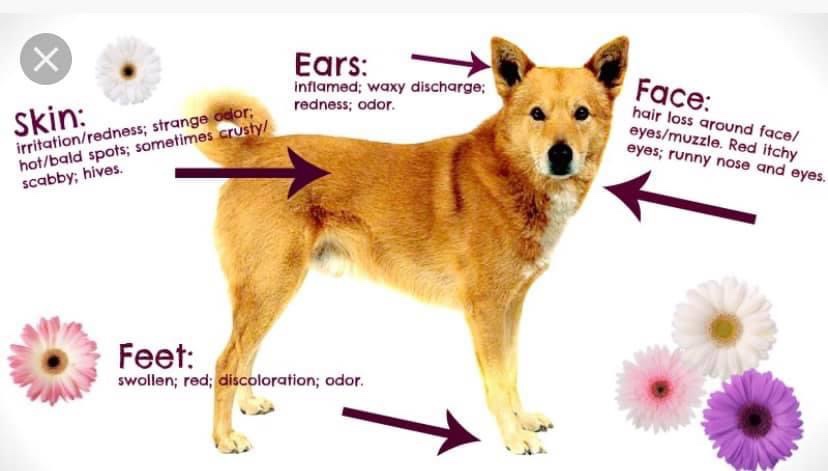
Allergies in dogs manifest in many ways but most often through the skin, causing endless itching, scratching, paw-licking, hot spots, etc. Many people consider these symptoms to be “caused” by fleas, pollens, grasses, and foods. We try our best to minimize our dog’s allergy exposure, but there’s only so much we can do.
The following 🐾symptoms could be a sign of an allergic reaction or allergies:
🐶Itchiness. Relentless itching and licking! 🐶Hives. 🐶Swelling of the face, ears, lips, eyelids, or earflaps. 🐶Red, inflamed skin. 🐶Diarrhea. 🐶Vomiting. 🐶Sneezing. 🐶Itchy ears.
🐾Diagnosing Allergies in Dogs
If you have ever undergone allergy testing, then you know that diagnosing and narrowing down specific allergies is complicated.
The first thing your veterinarian may choose to do is rule out any other condition that could be causing your dog’s symptoms. If your veterinarian feels that an allergy is a likely cause, he or she may propose allergy testing to try and determine the cause of the allergen that is causing the reaction. However, keep in mind it may not always be possible to determine the exact cause of an allergy with testing.
Food allergies are often diagnosed using an “elimination diet”. A food trial consists of feeding a dog a novel (i.e. one) source of protein and carbohydrate for 12 weeks.
Just like their human Pet Parents, some dogs suffer from the aggravating effects of seasonal allergies as well. Besides chemicals such as those found in household cleaning products, cigarette smoke and certain perfumes, dogs can also be allergic to natural, seasonal substances. This can include plant and tree pollens, mold spores, dust, feathers and fleas.
A dog’s allergy symptoms are generally similar to those experienced by us humans: the immune system overreacts to one or more offending substances, leading to itchiness and irritation. Your dog may lick or scratch themselves, develop irritated, drippy red eyes, or sneeze/cough (or “backwards sneeze”) repeatedly. Some dogs experience itchy, flakey, swollen skin, while others suffer from diarrhea and vomiting. In certain cases, a secondary infection may develop.
Here are a few ENVIRONMENTAL things you should to do to help control any discomfort your dog may be dealing with due to seasonal allergies, and reduce the risk of more serious problems evolving:
🐾ADAPT YOUR DAILY WALK ROUTINE 🐶If possible, avoid walking your dog in the early morning or late afternoon, when pollen levels are typically highest. Steer clear of fields and parks where offending plants are common, and consider an indoor, open-play setting during the offending months.
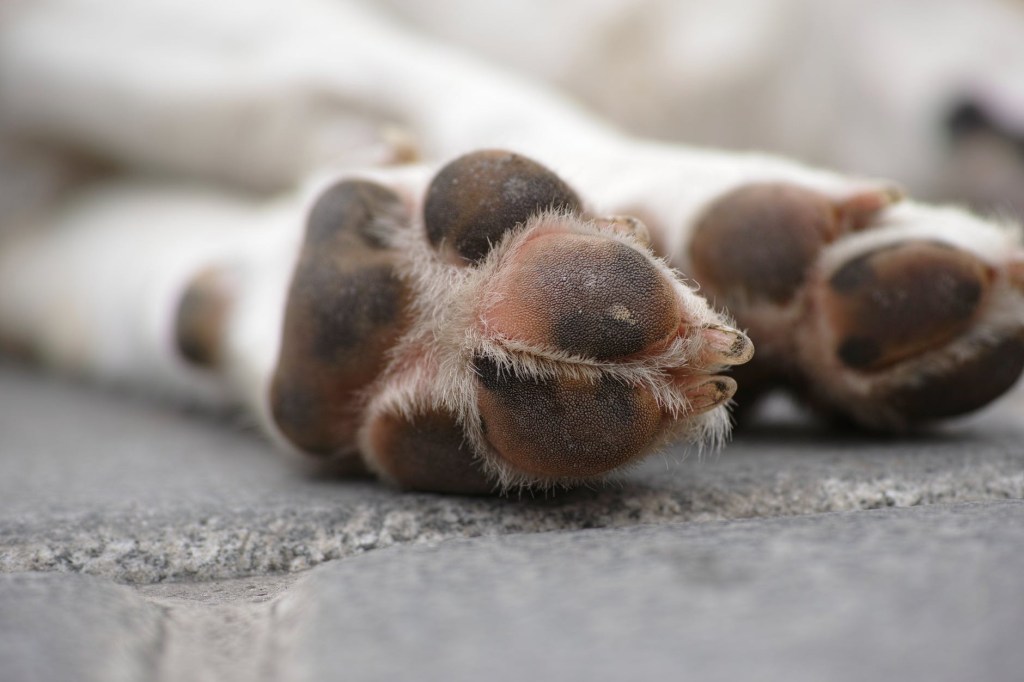
🐾WIPE YOUR PAWS! When you return home, 🐶wipe your dog’s body and paws with a moist cloth or a hypoallergenic, fragrance-free grooming wipe from your local pet store. This will remove excess pollen and other allergens from your dog’s fur and skin without the hassle of a full bath. Pay special attention to the paws and in between the toes and pads, as the sensitive skin here is often affected by allergens.
🐶Some pet parents soak their dog’s paws in apple cider vinegar to remove pollen and other substances. 🐾If using this method, mix 2 parts water with 1 part apple cider vinegar. Another solution is to put 🐾boots on your dog’s paws to prevent them from stepping in irritants and then tracking them into your house.
🐾CLEAR THE AIR Inside your home, 🐶regularly change air filters to cut down on airborne allergens that enter through open doors and windows. 🐶Running an air conditioner or a dehumidifier will help remove moisture from interior air, making it harder for mold to grow in your home. 🐶Minimize the amount of time your dog spends in damp environments, such as basements, bathrooms, or laundry rooms, as these places are more susceptible to mold growth. 🐶Vacuum at least once a week, and remember to clean curtains and rugs that may have picked up dust and pollen.
🐾PROTECT YOUR FURKIDS FROM THE GARDEN 🐶Many popular veggies like onions, garlic, tomatoes, and chives are poisonous to dogs and should be fenced off in a way that prevents your furry friend from getting into them.
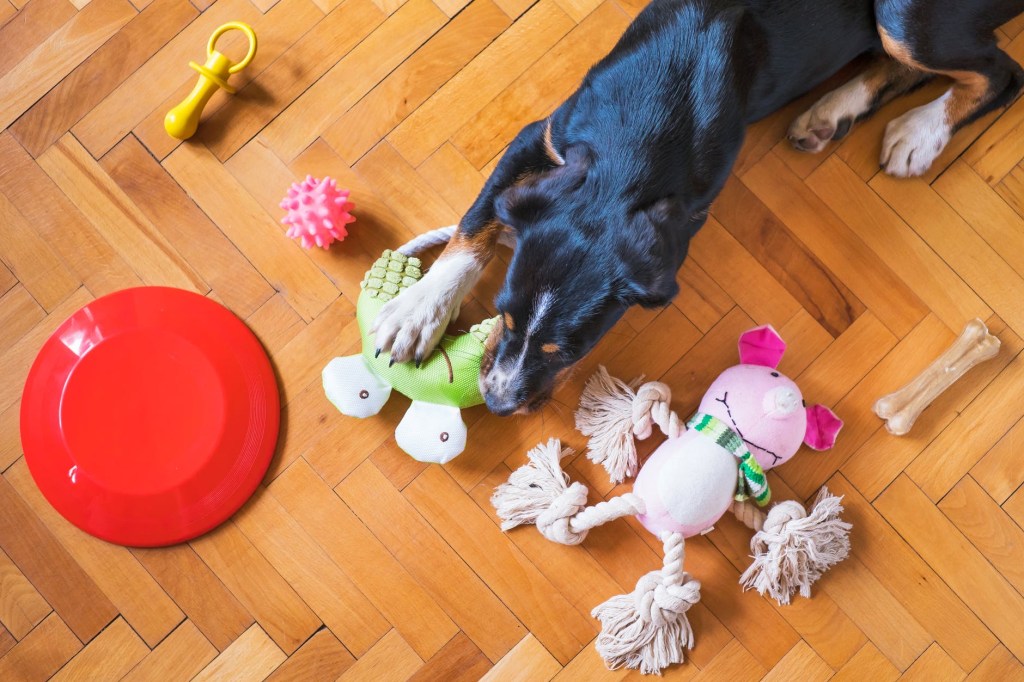
🐾DON’T SLEEP ON IT 🐶The surfaces in your home that your dog comes in contact with at bedtime can become covered in allergens, so make sure they’re kept clean by being washed in hot water every week. 🐶Consider putting towels or blankets on top of beds (yours and theirs) and chairs to make this task easier, and keep offending substances away from the surface underneath. 🐶Also, make sure any soft toys your dog plays with get washed regularly.
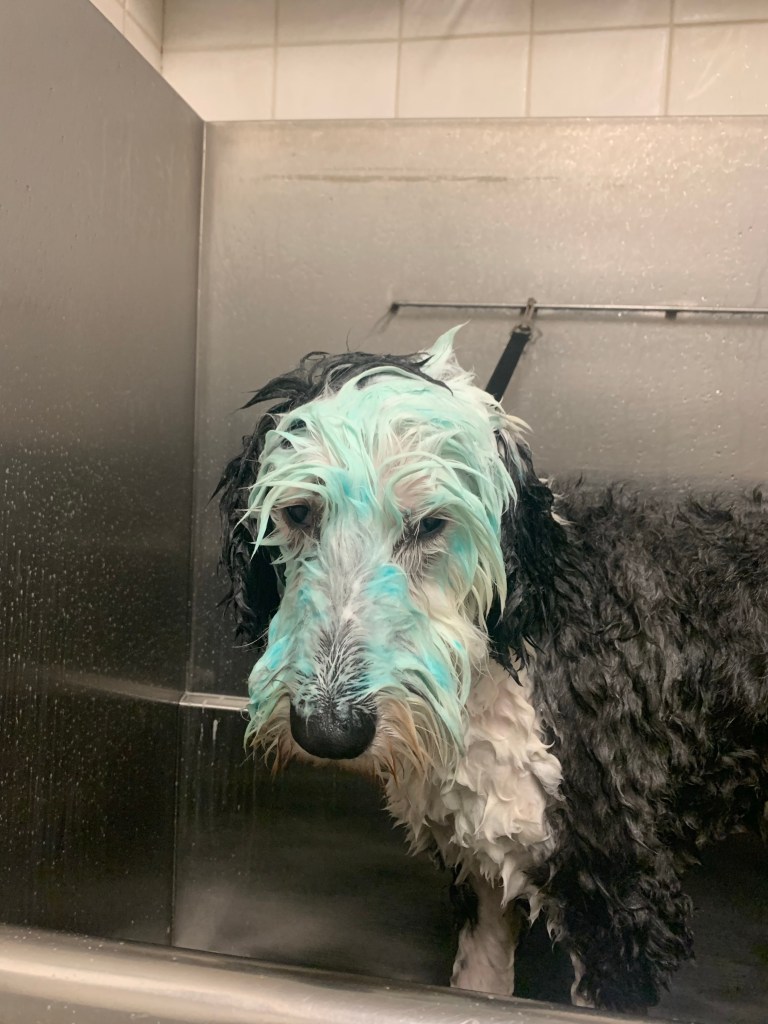
🐾PET SPA DAY 🐶Prevent dry, itchy skin by giving your dog a bath more often with veterinarian advice. Wash their fur with a gentle, hypoallergenic anti-itch shampoo that contains a soothing ingredient such as oatmeal (unless they have yeasty skin! No Oats for yeast!) aloe, or evening primrose oil. Some dog owners give their pet a 10-minute soak in a bath mixed with a gentle moisturizing oil. 🐶Consider taking your pup to the nearest Groomer to take advantage of their soothing full-service doggie spa treatments.
🐾SUPPLEMENT YOUR DOG’S DIET 🐶Try giving your dog a natural dietary supplement such as fish oil or a fatty acid such as omega-3 or omega-6 oil to reduce itchiness and improve overall skin health. 🐶Coconut oil has also been shown to suppress allergic reactions while contributing to healthier skin. 🐶HYDRATE! Make sure your dog is drinking a lot of water AND that you are CLEANING their water (and bowl) daily to keep it fresh and free of any dust or contaminants.
🐾FURTHER TREATMENTS If your dog won’t stop licking, scratching, and chewing, has red and irritated skin or Alopecia (hair loss), make an appointment to see your vet.
As a last resort and depending on the seriousness of the problem, a Vet can provide more aggressive treatments such as prescription antihistamines, steroids, or allergy shots, also known as 🐶immunotherapy.
From a holistic perspective, however, allergies indicate an internal imbalance and therefore should not be treated as a local, isolated condition. The root cause must be treated.
The aforementioned Antibiotics and steroids are commonly used to treat allergies, and although they may sometimes be necessary, they only mask the symptoms and provide temporary relief.
🐶Homeopathy and 🐶Acupuncture, address the deeper constitutional level and help restore balance to the whole dog. Allergic conditions are still difficult to treat, however, and can take months or even longer to cure.
🐾The most important thing you can do to minimize allergy discomfort and improve the overall health of your furry BFF is to feed a high-quality, natural diet.
◦ 🐶Raw or home-cooked treats and food are best. But, realistically, not everyone has the luxury of time! If you are using dry or canned food, buy the highest quality you can find and afford and supplement with Toppers and Mixers such as healthy fresh food. ◦ 🐶Wheat, corn, soy, and other grains are common allergens for dogs, so it’s best to avoid them. TRY SWITCHING TO duck or fish and potato recipes. ◦ 🐶Dietary supplements can also be helpful. Omega 3 essential fatty acids support the immune system and reduce inflammation and itching. ◦ 🐶Fish oils, such as those found in wild salmon, anchovies, and sardines, are good sources, as is flaxseed oil. ◦ 🐶Antioxidants and natural anti-inflammatories such as quercetin (a natural anti-histamine) and pycnogenol are other excellent supplements. ◦ 🐶Excessive vaccinations, environmental and dietary toxins, and emotional stress can trigger or exacerbate allergies. ◦ 🐶Use natural flea and tick control like Lavender to avoid exposing your dog to toxic chemicals. ◦ 🐶Topical treatments like oatmeal baths, aloe vera and calendula gels, and green tea compresses are soothing.
🐾If your dog suffers seasonal allergies and you want to use natural remedies instead of steroids or medications, there are several options available that can help your pup.
🐾These natural remedies can fight those symptoms while avoiding the potentially harmful side effects of many prescription medications. Discuss them with your vet before you make any changes.
🐶QUERCETIN Quercetin is a flavanoid, which is basically a compound in plants that give fruits and veggies their colorful pigments. Quercetin has antioxidant, antihistamine, and anti-inflammatory properties. It helps fight cellular activity associated with inflammation, which reduces itching. It’s also used to treat asthma and respiratory issues because it reduces inflammation. Quercetin also has cancer preventing qualities. Supplements come in pill and capsule form. For the right dosage in milligrams, CONSULT YOUR VET.
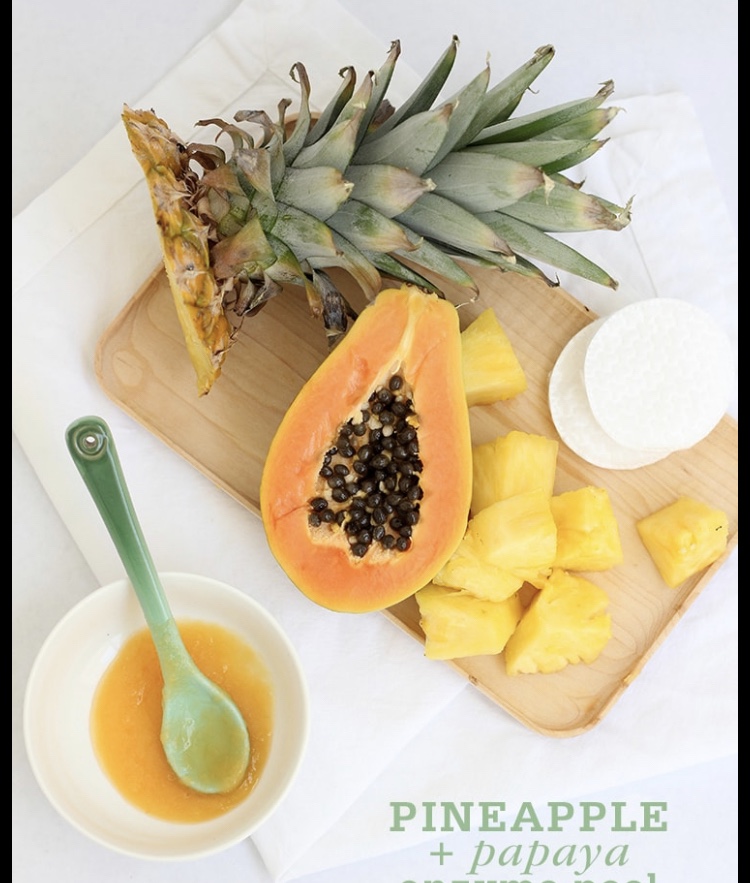
🐶BROMELAIN & PAPAIN Bromelain and Papain are proteolytic enzymes, which is a fancy way of saying they break down protein. Bromelain comes from pineapples, and papain comes from papayas. They help increase the absorbtion of quercetin, which is why they are often sold together. Bromelain and Papain also reduce pain and inflammation in mucous membranes and other parts of the body. They should be used with quercetin for the best results.
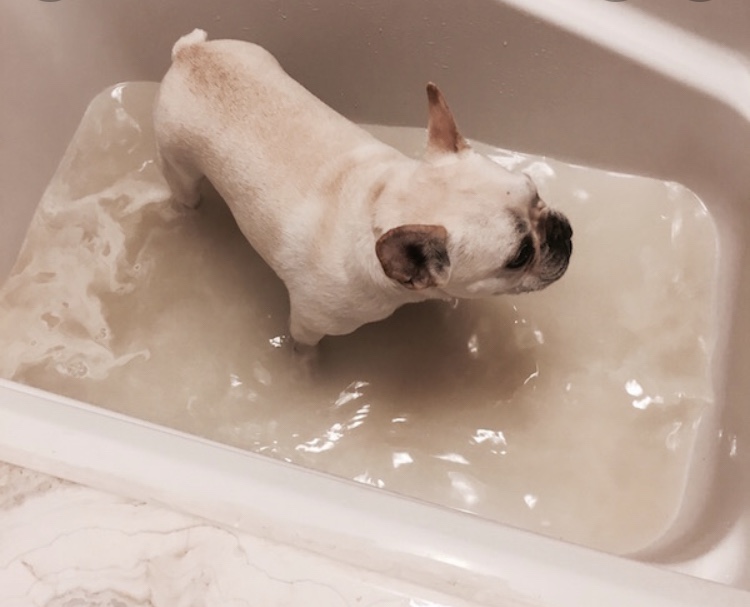
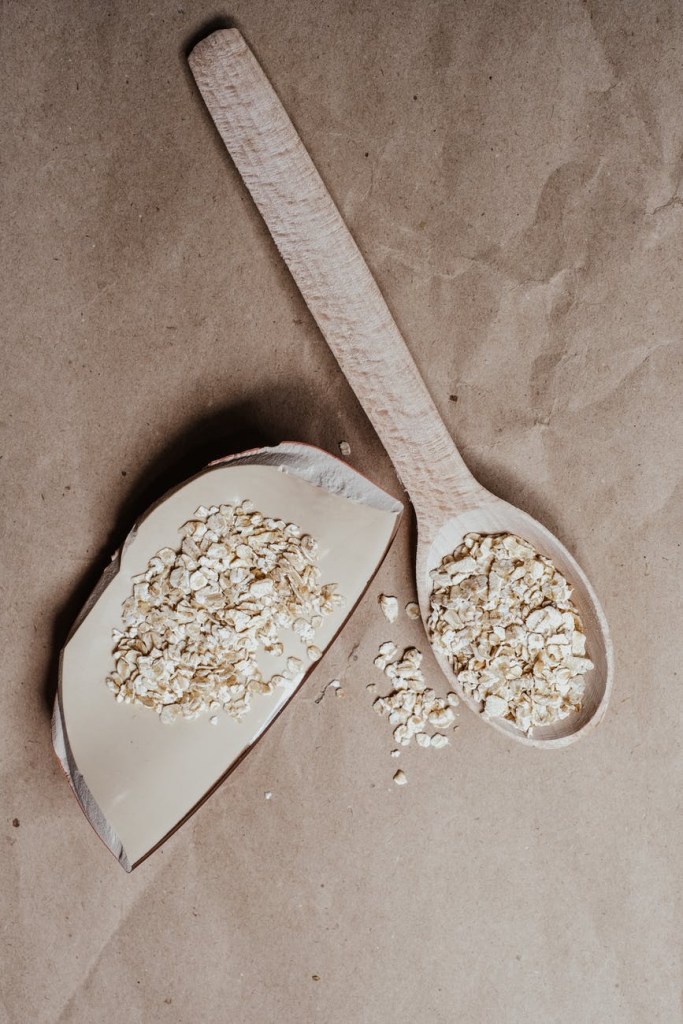
🐶OATMEAL BATHS Do NOT use oat if your dog is itching due to a yeast infection. Oat is a source of carbohydrates, which will only make yeast thrive. However, if your pup’s itching is caused by allergies, an oat bath can be very soothing. Boil oat straw in water and mix it in with your dog’s bath. This will reduce itching, and the bath itself will be helpful in removing many of the allergens that can be present on your dog’s skin or trapped in their coat. You can buy organic oat straw here.
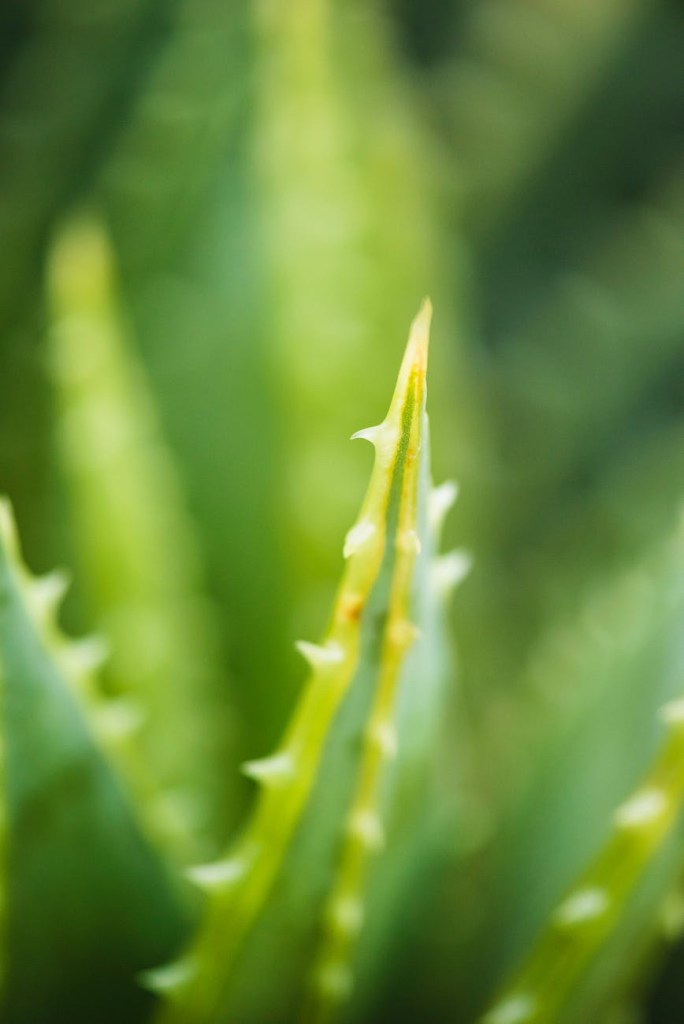
🐶ALOE VERA When you use aloe vera for your dog, make sure you are not using the whole leaf. The leaf contains saponins, the yellow or orange substance found in the rind, which is a laxative that can make your dog sick. If you are buying aloe gel from a store instead of getting it from the plant directly, it should be fine. Aloe has antibacterial, antifungal, and anti-inflammatory properties that make it perfect for treating burns, itches, and hot spots when applied to the skin. If your dog is itching, apply the gel to the affected areas. The cooling effect often reduces the discomfort immediately. It should be applied twice a day.
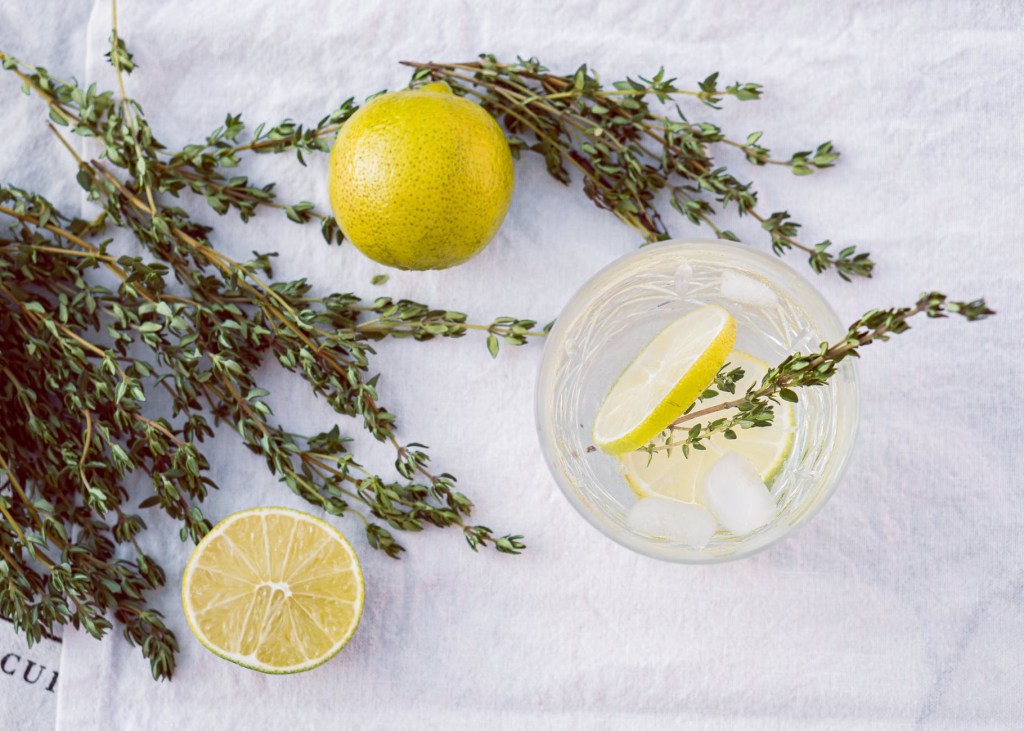
🐶THYME Thyme contains flavanoids, which have antioxidant, anti-inflammatory properties. It also has antiseptic and antifungal properties, which make it great for use where skin and yeast infections are common, like between your dog’s toes. If you’ve noticed your dog chewing at their paws, try making an infusion out of dry or fresh thyme and apply it to the affected areas. Make sure it gets deep between the toes, too.
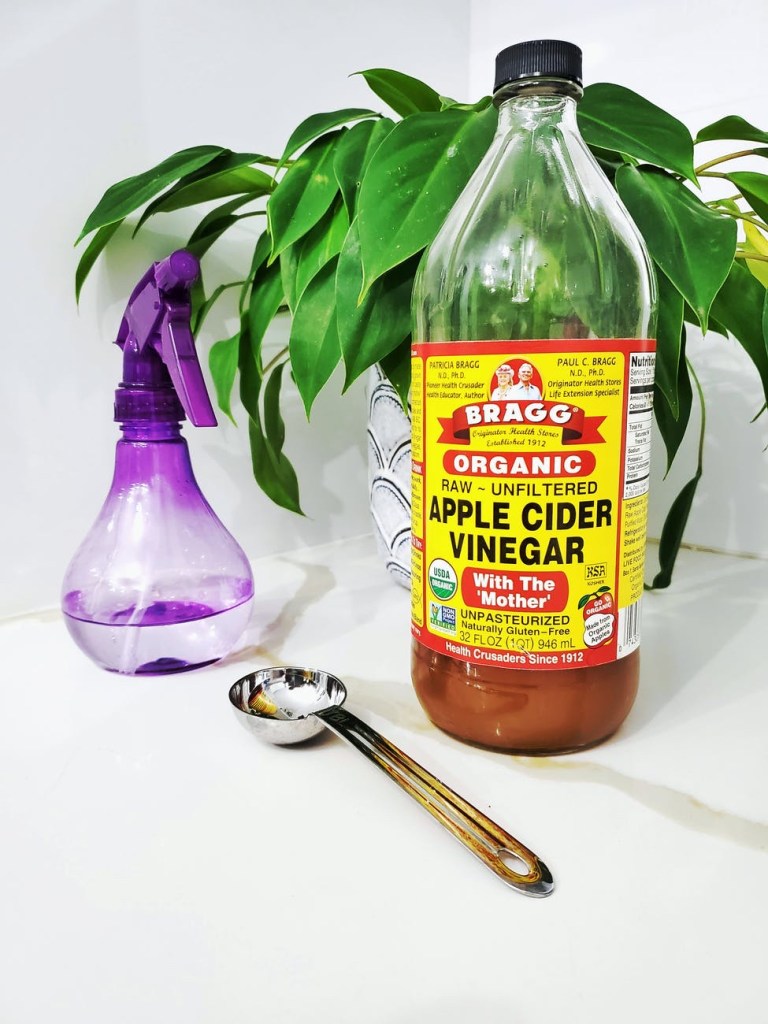
🐶APPLE CIDER VINEGAR Apple cider vinegar can be used as a rinse for your dog’s paws that will take off some of the pollen and allergens that accumulate. It’s also effective for fighting some of the rashes and itch caused by yeast infections and can be used as a cleaner for your dog’s ears. If you use it in a spray, you can spray it directly onto itchy areas for some relief. It should not, however, be used on open wounds or bites.
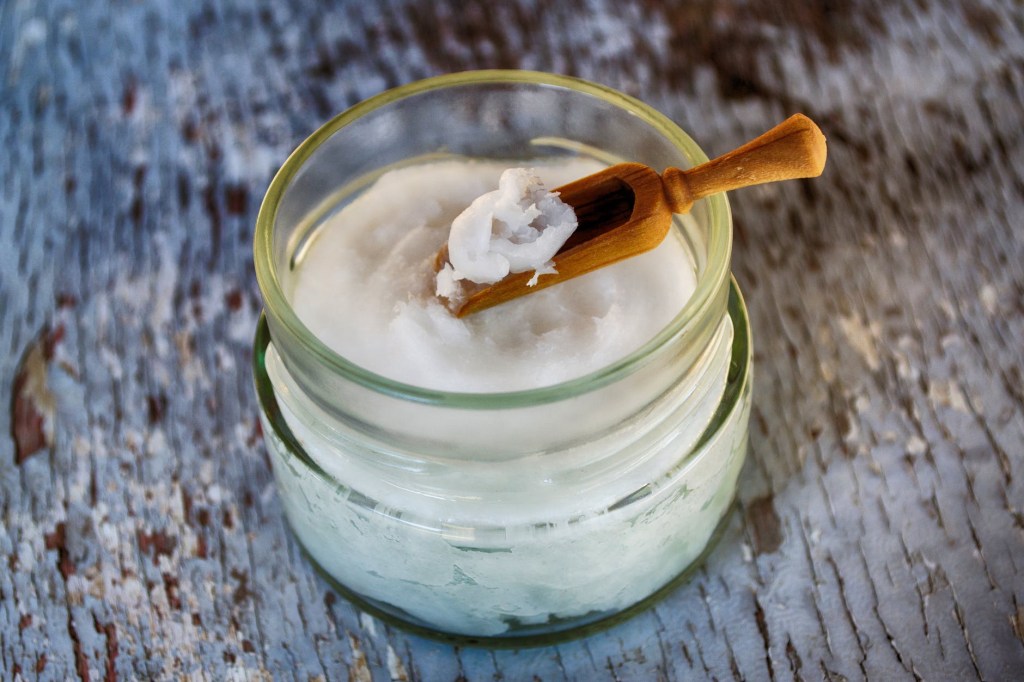
🐶COCONUT OIL Coconut oil has many benefits for your dog, but it also contains lauric acid, which decreases yeast production. It contributes to healthy skin and reduces allergic reaction to fleas. When used in combination with fish oil in your dog’s diet, coconut oil can help suppress inflammatory responses that come with allergies. The antiviral and antibacterial properties of coconut oil reduces itchiness in skin and has added benefits like aiding digestion problems and boosting the immune system.


























 Mindful Paws PR