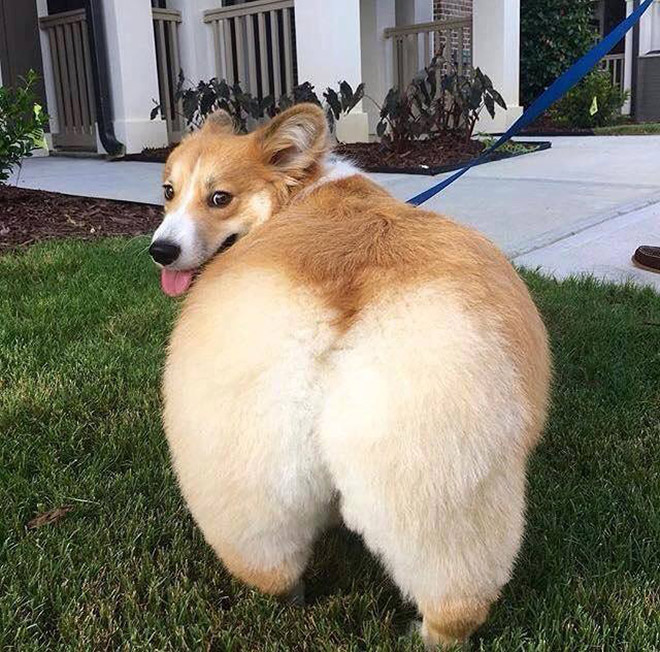
Let’s Talk Dog Anal Glands.
I am bringing this ugly truth about anal glands to attention because I am constantly asked about them by my clients with the same question;
“SO…WHAT THE HECK ARE ANAL GLANDS AND WHAT DO THEY DO?”
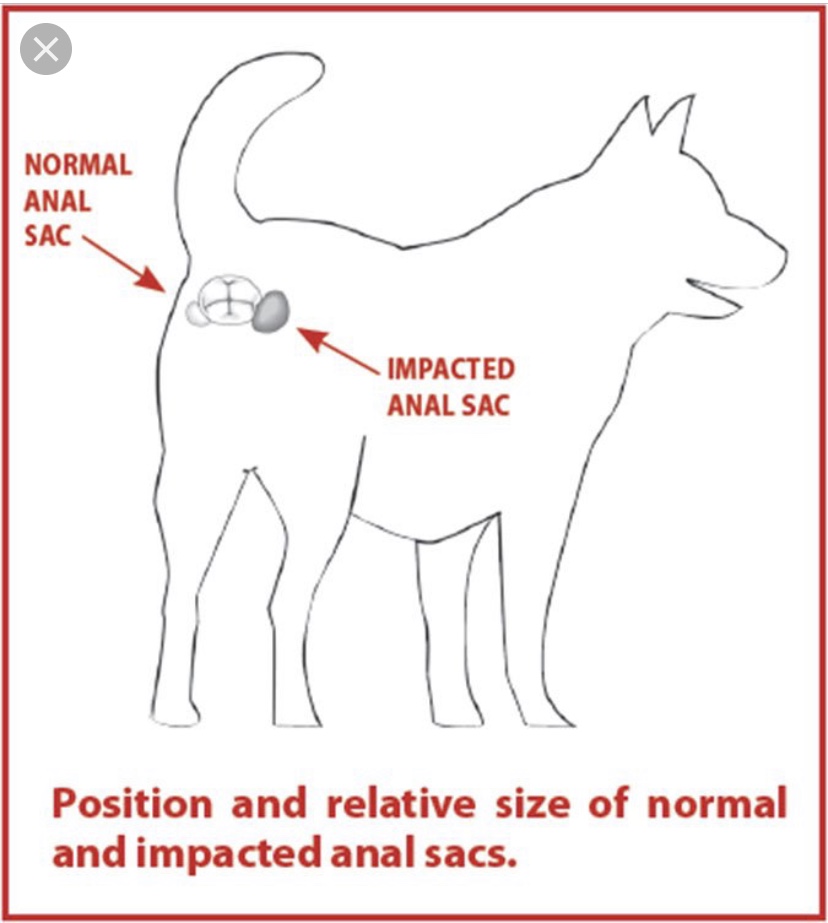
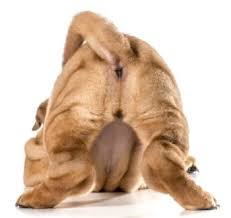
Here’s a simple and quick overview of your dog’s booty and anal sacs. The anal glands lie beneath the muscle layers of the rectum. Dogs have two anal sacs (glands) beneath the skin which are located at the four and eight o’clock positions of the anus. The anal sac duct opens into the edge of the anus. The anal sacs and ducts are closely associated with the anal sphincter muscle. The only real function these anal glands have is in doggy communication. They are what dogs sniff when they say “hello” to each other. They also excrete a scent whenever your dog defecates. This is another way that a dog can mark their territory and leave a “smell signal” for any other dogs that may pass by their fragrant “gift” left by them on the ground. Now.. take deep cleansing breaths and PUT DOWN YOUR LUNCH, while I tell you the story of the anal glands.
Once upon a time…thousands of years ago, these magical little sac features existed in wild animals. The liquid secreted out of them is, to put it bluntly, a DISGUSTING—thick, oily, and kinda-fishy-smelling substance; however, useful to wild animals. For example, skunks and badgers, spray their scent glands at will as a defense mechanism in threatening situations. Our domesticated doggos have largely lost this wild ability as they no longer need to use them in that survival way.
Usually, normal defecating along with routine grooming by professional groomers who express the glands during your pet’s bathing process, help to empty the anal glands; however, sometimes that’s not always the case. When the glands remain full for too long, they can become infected, impacted, extremely uncomfortable and even painful. Anal glands can also overfill if the exit duct becomes blocked. This is called an impaction.
If the situation continues to worsen, an abcess may form and then rupture, requiring emergency surgery and the dreaded cone-of-shame.
“Booty Scooting” or butt dragging is only one of the many signs indicating a potential anal gland problem. Others signs may include:
- A pungent, “fishy” odor coming from their rectum
- Excessive licking of their rectum
- Straining, crying (vocalizing) or otherwise having difficulty or pain when pooping
- A swelling or a hard “bump” under the skin next to their rectum
- Blood and/or pus in their stools
- Blood and/or pus on the carpet (floor), their bed, or on your clothes after they’ve been laying on your lap
If you find that your dog is experiencing derriere distress and doing the “Boot-Scoot- Boogie”, WITH FREQUENCY, the glands are needing to be expressed every few weeks (or sooner), or they are getting infected chronically, then you may need to eventually consider the permanent removal of the anal sacs. This is an invasive surgical procedure and not recommended by this writer unless it is critical to your pets’ health and well-being. Surgical anal gland removal (anal sacculectomy) can disrupt delicate nerve pathways, it can on occasion lead to infections, incontinence, and other chronic complications. Before you rush into surgery, please consider trying holistic home remedies to ease your dog’s anal sac distress FIRST, and always discuss any concerns with your veterinarian to figure out and manage the underlying root cause of the frequent anal gland problems.
HOLISTIC HOME REMEDIES TO TRY AT HOME
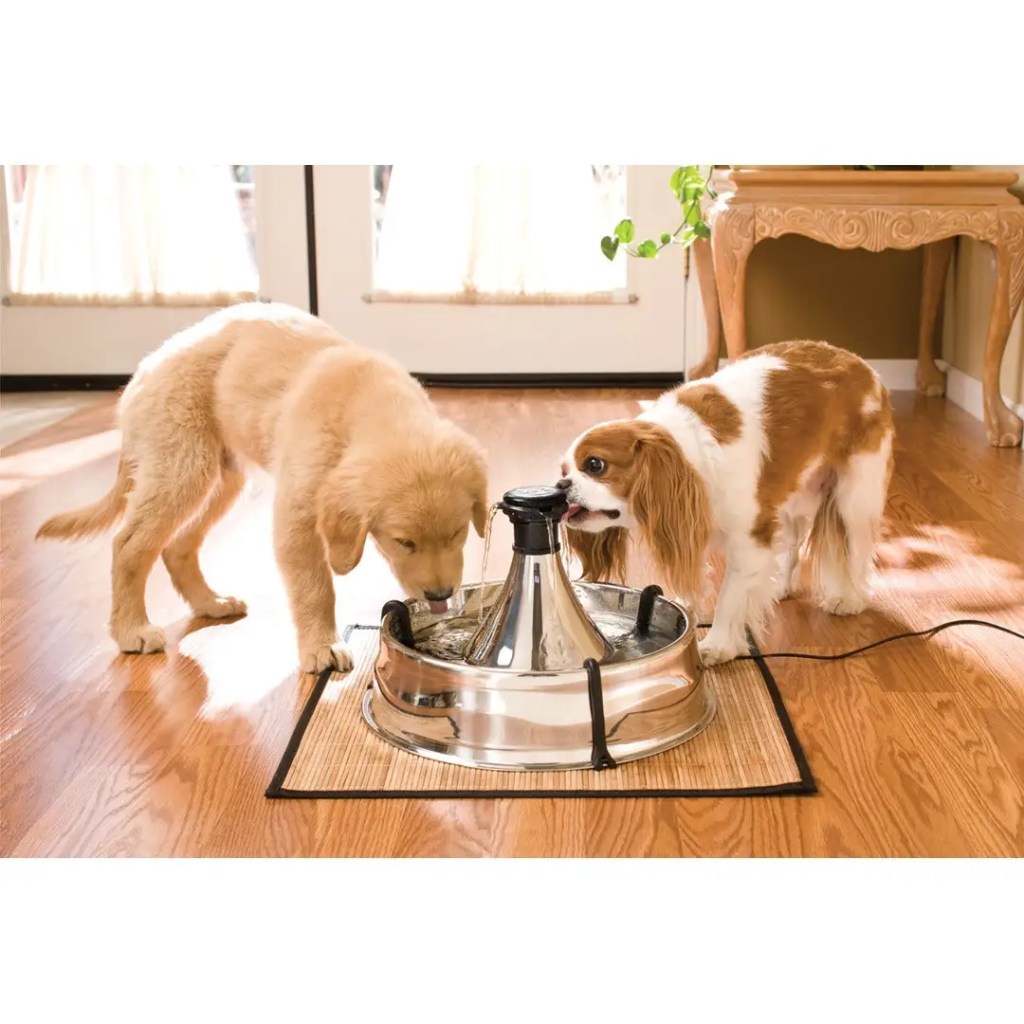
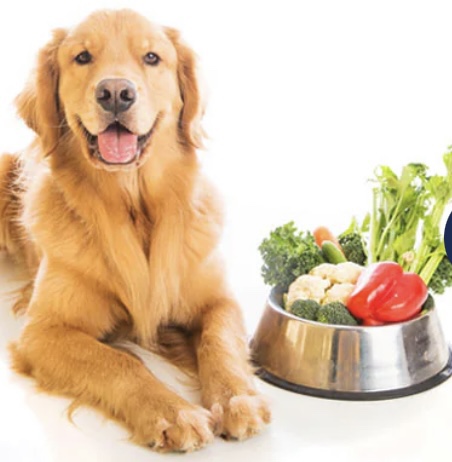
1. Increase Fido’s H2O: One simple solution to healthy anal glands is to boost hydration. You will probably need to do this by adding more fresh water to your pets’ food and daily routine. Most FURkids are not instinctively in love with their water bowls, so add some water play elements like bowls with a fountain or make ice chips with toys or treats frozen inside of them. Doggos find moving water more palatable and exciting than the plain, motionless puddle in their bowl.
2. Supplements and Digestive Enzymes: Digestive enzymes and probiotics can also be helpful for reducing anal gland issues. Most holistic veterinarians recommend using digestive enzymes whenever feeding processed (dry kibble or canned) or cooked food. Re-fortifying with canine-formulated probiotics can also help encourage your dog’s anal glands to empty on their own. Of course, every dog responds differently. This is why it is important to start increasing or adding supplements in small increments and increase very gradually. Begin with just a half-teaspoon daily, and work up until you notice slight stool softening. Prebiotics and Probiotics create a healthy gut environment (microbiome) which helps the breakdown and passage of food, thus contributing to regular anal gland function.
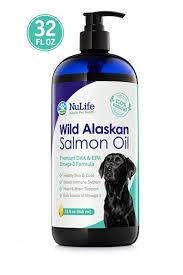
Wild Atlantic Salmon Oil for dogs has all-natural nutrients that help your pet systemically. The omega-3 fatty acids in salmon oil will not only keep things moving naturally and help with the expression of the anal glands, but it will also help dry skin and coat, itching, shedding, and allergies.
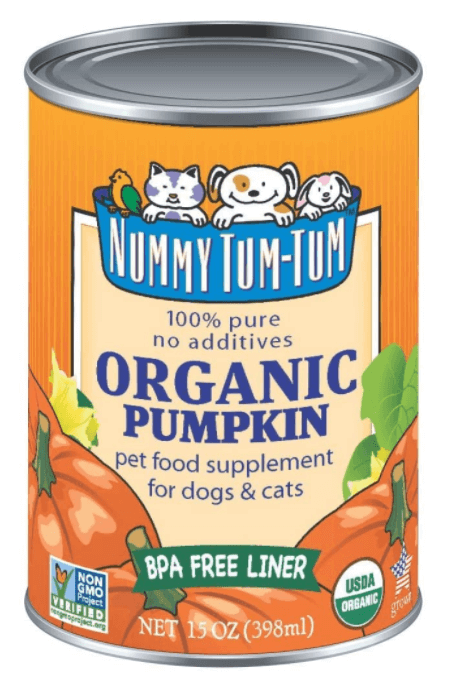
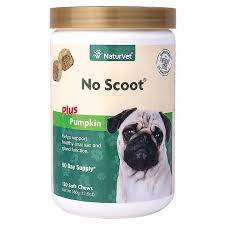
Pumpkin is num-num for the tum-tum and also has immense health benefits for dogs including eye health, antioxidant properties, anti-parasitic properties, and it contains healthy fiber. Adding canned or powdered pumpkin to your pet’s diet will increase their fiber intake, which helps firm the stool to make naturally expressing anal glands easier. Antioxidants protect your dog from dangerous free radicals in the body. If free radicals in the body are uncontrolled, they can harm your dog’s cells and even his DNA. Pumpkin is also a rich source of vitamins E, C, and A. Together, all these vitamins support your furry BFFs’ immune system, brain function, and skin health. Potassium, copper, manganese, and iron play an essential role in cellular health, and pumpkin is loaded with these minerals as well.
3. Weight Loss: Some Veterinarians believe that a dog’s anal sac issues are often a symptom of a root cause or systemic issue. Perhaps this is one reason why pudgy pups are more likely to struggle. If your pooch is packing on a few extra LBS, try switching foods to a recipe with fewer carbohydrates and proteins and this might help alleviate pressure on the anal glands, thus allowing the sacs to empty more easily.

4. Read labels: Read all food and treat labels carefully, and choose food options with real or raw meat as the top ingredient. NO animal byproducts, fillers or additives. Dry food is also dehydrating to the bowels and removes moisture from the bowels, making the passage of food harder and more difficult. Dry food is also full of starches and possible grains. The pancreas of a dog only releases a small amount of amylase (digesting enzyme for carbohydrates), and undigested carbohydrates can cause inflammation and break down gut immunity. A moist fresh diet that is biologically appropriate is essential to healthy anal gland and bowel movement. Fresh, home cooked, or raw food diets are always the best option. A raw food diet is also proven to provide a better digestive bacteria to support gut health and anal sac function in dogs.
5. Epson Bath or Compress: A warm washcloth applied to the under-tail region can sometimes encourage natural drainage of the anal glands. Try soaking a washcloth in warm water infused with 1-2 teaspoons of Epsom salt. Hold this in place or have your pet sit in the water for 10-15 minutes, twice per day, every day.

6. Regular Exercise. Move it or lose it, literally. Lack of exercise causes infrequent bowel movements which cause constipation. Dog constipation and diarrhea are one of the main causes of anal gland problems in dogs. Regular exercise also helps to tone and strengthen the sphincter muscles that help to empty the glands.

Most anal gland problems are not an emergency and can be scheduled during regular business hours at your local veterinarian’s office; however, be sure to notify the veterinary staff if you think your dog has a ruptured anal gland or if the anus area is severely inflamed.



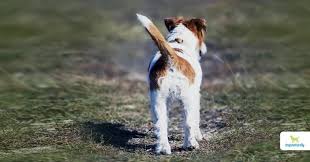
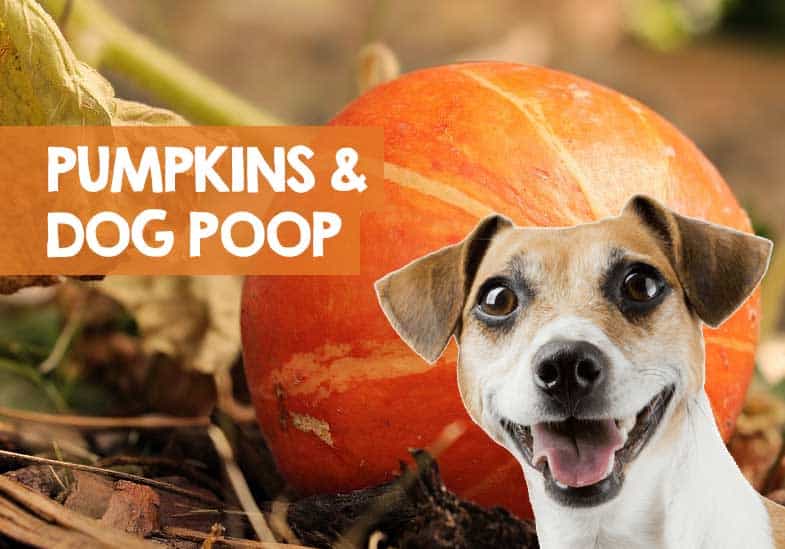

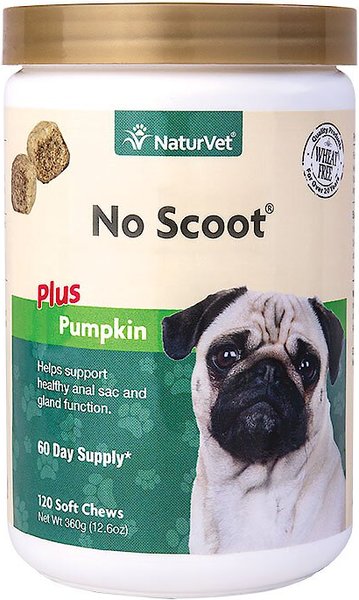
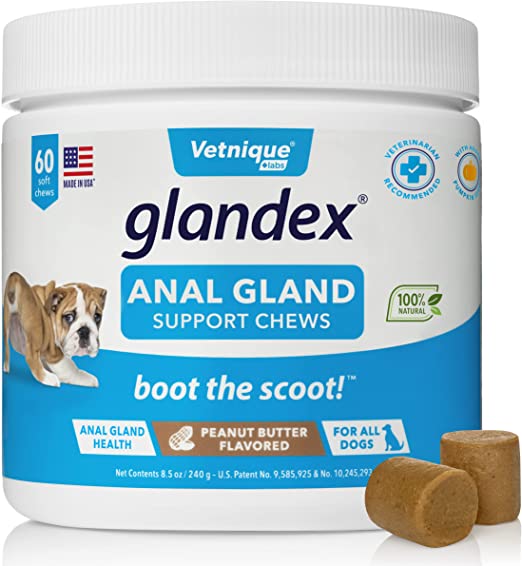
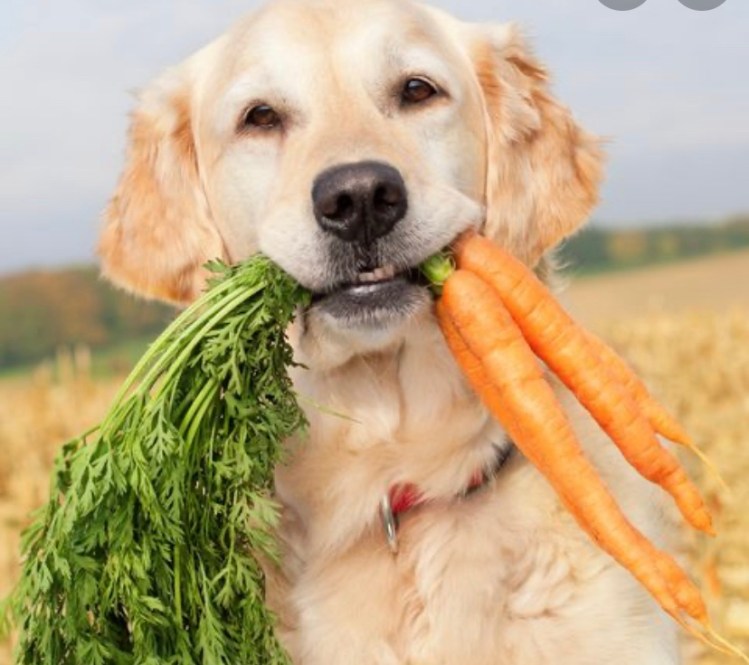
A Healthy Booty Is A Happy Booty.
PAWmaste,


 Mindful Paws PR
Thank you for following Learning from Dogs. That is much appreciated and I would love to republish this post over on LfD?
LikeLike
Thanks for reading Paul. Looking forward to more amazing content from You! Have a PAWsome day. 🙏🐶
LikeLike
Any chance of giving me permission to republish your post?
LikeLike
Sure. Thank you!
LikeLike
Thank you!
LikeLike