Nature therapy may mean that better health is right outside your door…literally!
If you want to ‘LIFT’ your spirit, you must GROUND your Soul. Why else do you think your ‘SOLE’ is on the bottom of your FEET!? Connecting with nature, or Earthing, is essential to a healthy ‘Mind-Body-Spirit’ and it has vital effects on longevity and optimizing your health.
For example, Eco-Therapy can help you manage an existing mental health problem as well as prevent future DIS-eases and episodes of Depression. Scientists have long known that sunlight can ease depression, especially Seasonal Affective Disorder (SAD). New research is expanding these findings every day. A 2007 study from the University of Essex in the U.K., for example, found that 71% of participants who had depression, greatly benefitted from a walk in the country and communing with nature. The researchers found that as little as 5-7 minutes per day, in a natural setting, whether walking in a park or gardening in the backyard, improves mood, self-esteem, and motivation.
There are many types of “Green” Therapy; however, I am most passionate about
ECO-THERAPY programs;
~(AAI) Animal Assisted Interventions: This therapy is less structured than “one-on-one” AAT (Animal Assisted Therapy) and simply involves; • Spending relaxed time amongst animals in their natural environments, feeding, brushing or petting them.
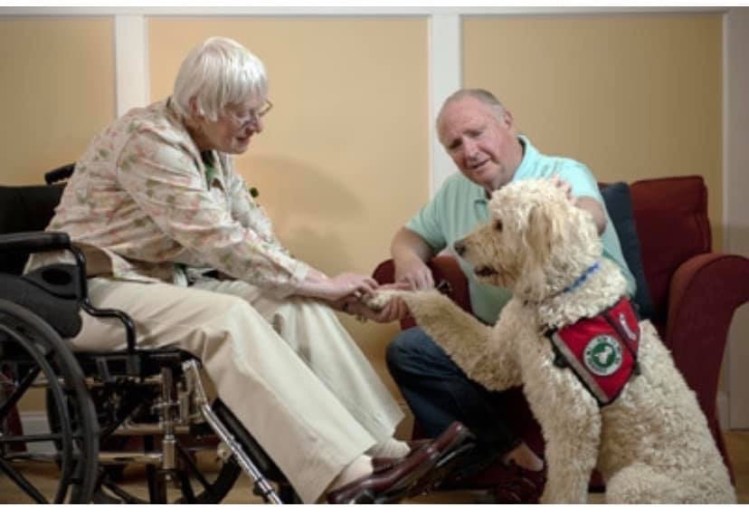
~(AAT) Animal Assisted Therapy: A very selective therapeutic relationship utilizing certified or licensed “Therapy/Emotional Support Animals”- • The focus of AAT is on the powerful interaction and empathetic bonding between the patient and the animal and is lead by an experienced counselor or therapist.
•Usually “one-to-one” and especially effective in healing patients suffering from ADHD, Autism Spectrum Disorder, PTSD, Injury, Chronic Pain, Depression, Senility or Alzheimer’s, Hospice Care or other DIS-eases.
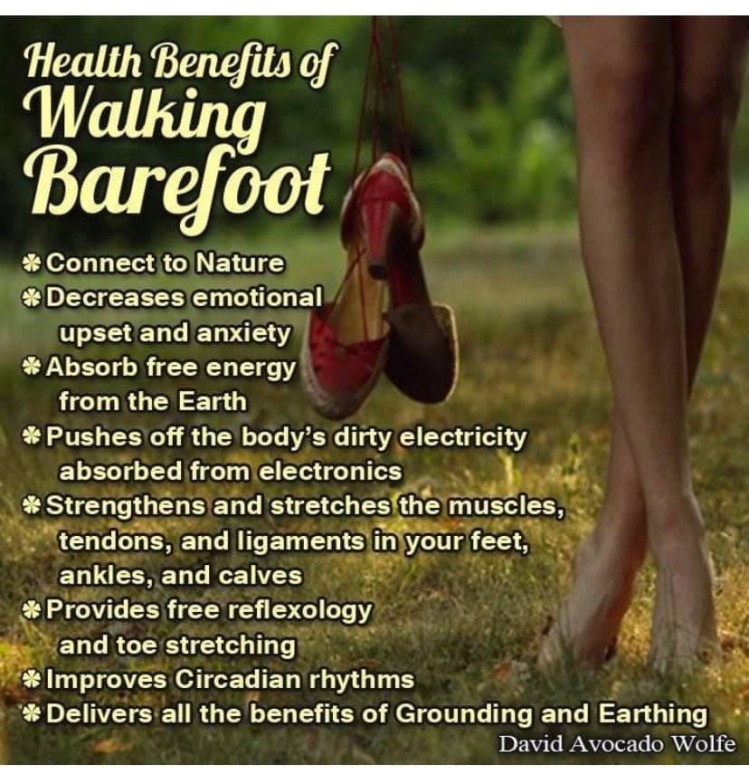
~EARTHING Therapy: As sentient beings we thrive on the connection to nature and touch and this therapy is based on the healing and spiritual growth nurtured by the sacred interaction with Mother Earth. Living in direct contact with the Earth grounds the body inducing many key Physiological and Electrophysiological charges that promote optimum health.
~’Letters From My Inner Child‘ (this brand and title trademarked by ME!)
Wellness & Healing Workshops: Multi-level group healing activities, creative writing for healing, intuitive games, education and ABA therapy sessions. The primary purpose of my groups is to repair or reconstruct the authentic SELF, practice ‘Connection’ and learn vital tools on how to navigate our ‘Emotional Minefields’. We will establish trust and cohesion, resolve trauma, conflict and struggle and just ‘have fun’ in a safe, healing environment. Additionally, our women’s groups allow us, as the ‘SHEroes’ we are, to re-establish or develop connections and satisfying, nurturing relationships where feelings such as sadness, loss, fear, anxiety, anger are not only ‘tolerated’, but understood, respected and worked with in a loving, empathetic ‘village’.
How can Eco-Therapy help me?
~Here are just a few of the common benefits associated with Eco-Therapy and it’s combination of outdoor activities and communing with nature:
~Improves mental health
~Improves physical health
~Ignites the 5 Senses
~Boosts self confidence
~Strengthens The Earthing Process
~Reminds you to practice daily gratitude and mindfulness
~Lowers Blood Pressure
~Helps you live in the present moment
~Lifts the veil of Depression
~Improves Circadian Rhythms
~Releases the ‘Happy Hormones’ (Endorphins, Serotonin, Dopamine and Oxytocin)
AND THE GOOD NEWS IS! We are not alone in this theory that rooting yourself and making a connection to the Earth daily is all the RX you need, Health care providers are now also giving their patients “nature prescriptions” to help treat a variety of medical conditions, from post-cancer fatigue to obesity, high blood pressure, and diabetes. Yay US!
Have a beautiful, authentic life and I hope you dance!
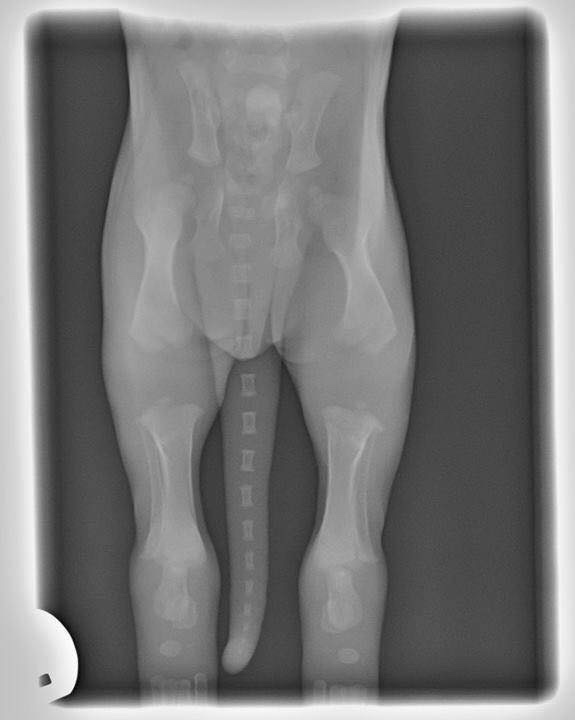
Check out the X-ray image below of a 3 week old puppy.
Look at how far apart the bone growth plates are!
Growth plates are regions of cartilage that sit at the ends of the long bones. The growth plates are vulnerable to being injured and potentially fractured because they are the last portion of the bones to harden are.
As a puppy grows and develops, moving, stretching and working their muscles, hormonal changes trigger cartilage to calcify and develop into a denser harder matter. These plates contain rapidly dividing cells that allow bones to become longer until the end of puberty. Growth plates gradually thin as hormonal changes approaching puberty signal the growth plates to close and connect the bones.
A dog’s long bones do not develop from the center outward; instead, growth occurs right by the growth plate at the end of the long bones. The main problem is the fact that an injury to a growth plate may result in damaged cells that will halt growing on one side. In the meantime, the healthy, undamaged cells on the opposite side will continue to grow with the end result of the bone developing a deformity.
This X-ray vividly depicts why you should never permit puppies to jump, walk up/down stairs, over-exercise or over-train. Any type of high-impact activities or prolonged exercise on hard surfaces can potentially stunt the puppy’s bones, cause them to cease growing or grow in a crooked or misshapen way. This includes repetitious jumping to catch a Frisbee, jogging on concrete and hurdling full speed over or around obstacles with leg twisting movements. Further, puppies should be picked up and handled very carefully during this time as well. Doing too much activity or being incorrectly lifted while a puppy’s bones are still growing could cause dislocations, muscle tears as well as serious bone issues later in adulthood such as hip dysplasia and other orthopaedic conditions.
A good rule of thumb (Consider it the “Puppy Rule“🐶🐾) is a ratio of 5minutes of exercise permonthof age (up to twice a day) untilthe puppyis fully grown. For example, 15 minutes (up to twice a day) at 3 months old, 20 minutes when 4 months old, and so on until they are fully grown and cango out formuchlonger.After the age of 8months, there is minimal longitudinal growth of bones going on, and by oneyear of age, most growth plates are fused or closed and no longer show on x-rays (source:Vet Surgery Central).
Physical activity for puppies should include- going for a walk or hike, training, Puppy Playtime, playing fetch, wrestling with other dogs, etc.
Another common cause of adolescent bone trauma or orthopaedic conditions is rapidly abnormal growth due to diet. Overfeeding your puppy can result in skeletal abnormalities, hip dysplasia (arthritis of the hips) and osteochondrosis (a condition that affects the joints of young, rapidly growing pups). A balanced diet is critical for good skeletal development and strong bones.
Puppies need plenty of hydration (you will notice that they drink a lot) and they require more protein, fat, vitamins and minerals than adult dogs. If you are cooking for yourpuppy, a homemade diet should contain proteins such as chicken, turkey, fish, lean beef. NO BONES or RAWHIDE!
Some Veterinarians may also recommend vitamins or supplements (glycosaminoglycans and chondroprotective agents) for high-risk breeds to help prevent damage to the growth plates.
While calcium supplements may sound like a good idea for developing strong bones, WARNING! Too much calcium can be JUST as dangerous as not getting enough. Consult with a vet and skilled nutritionist before giving any supplements or herbs and always ask about the nutritional needs of puppies when feeding a home-made or an all-meat diet.
Have fun with your new FURbaby; but remember, you wouldn’t make a 6 month old human baby run a marathon, so don’t make your puppy either!
Have a PAWSOME🐾🙏🐶 Day!
Dorothy Cline, Vet Tech Groomer Girl
This article is accurate and true to the best of the author’s knowledge. It is not meant to substitute for diagnosis, prognosis, treatment, prescription, or formal and individualized advice from a veterinary medical professional. Animals exhibiting signs and symptoms of distress should be seen by a veterinarian immediately.
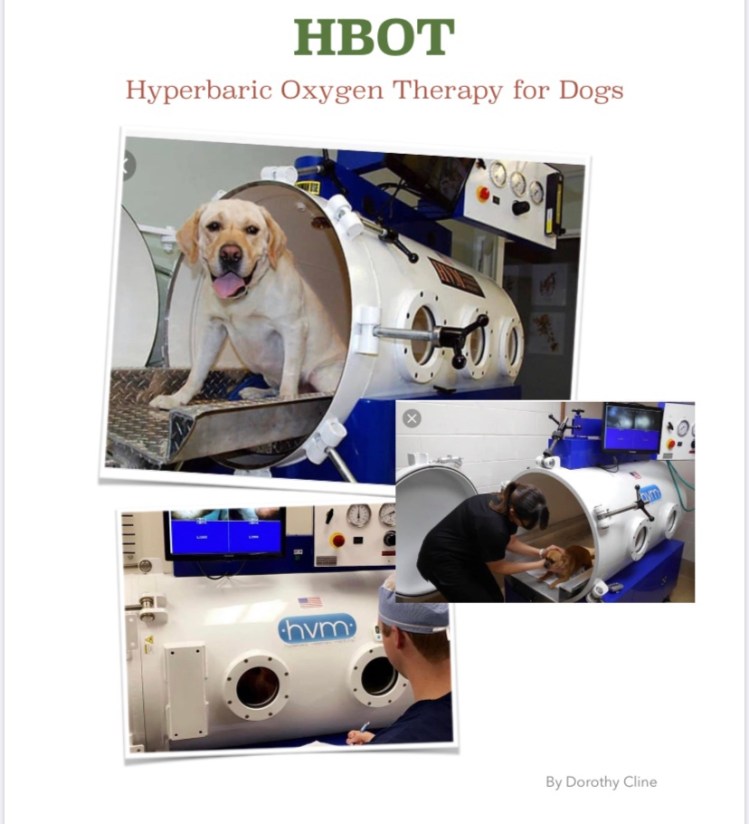
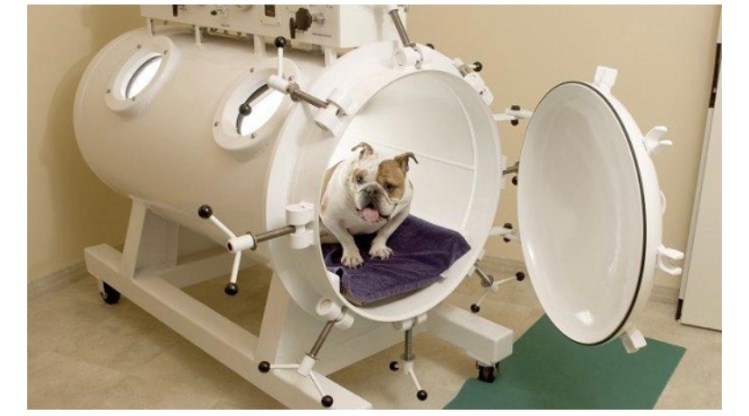
HBOT-Hyperbaric Oxygen Therapy. The word Hyperbaric means “under pressure higher than normal at sea level.” HBOT is emerging in veterinary medicine as an effective treatment or adjunct therapy for a variety of disorders in which improving oxygen delivery to tissues is a key.
Patients are exposed to high-pressure oxygen in a specially designed hyperbaric chamber, and the treatment effectively oxygenizes the body’s tissues.
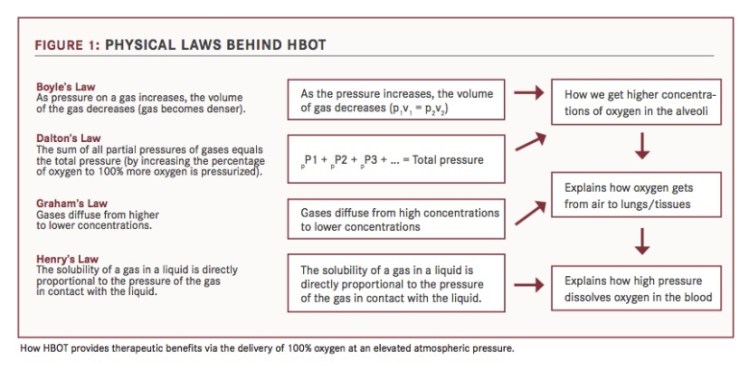
Understanding how HBOT works starts with a review of some of the important laws of physics and their resultant effects on the body. [FIGURE].
According to The American College of Veterinary Medicine, “Delivery of 100% oxygen under pressure allows plasma to carry much more oxygen and reduces the importance of hemoglobin-based delivery.1100% oxygen dissolved in plasma can be delivered from capillaries to tissues at least three times farther than delivered when carried by hemoglobin alone.1,9And, increasing barometric pressure from 1.0 ATA to between 2.0 and 2.5 ATA increases the dissolved oxygen in plasma approximately 3-fold compared with a patient breathing room air. When the inhaled oxygen concentration is increased to 100% under the same increased pressure, the plasma oxygen concentration increases by almost 17-fold. In theory, with 100% oxygen at 2.5 ATA, enough oxygen can be dissolved in plasma to meet the normal requirements of the body at rest without the need for hemoglobin.1,9Oxygen under pressure causes vasoconstriction by inducing smooth muscle contraction in all muscular vessels (arterial and venous), but not capillaries or lymphatics, and decreasing bleeding/oozing from vessels while allowing lymphatic channels to continue to clean up and remove edema. The increased partial pressure of oxygen in plasma and the increased CO2in damaged tissues (CO2is a more potent vasodilator than oxygen is a vasoconstrictor), offset the vasoconstriction so that tissue oxygenation remains high and microvascular blood flow improves”.3
High oxygen concentration combined with an increase in air chamber pressure, which raises the plasma oxygen concentration to allow oxygen to diffuse into tissues at a higher rate than would be seen under normal circumstances. This higher rate of oxygen being delivered to tissues promotes healing.
HBOT is often used in combination with other forms of therapy to treat injuries and illnesses including infected wounds and burns, snake bites, post-surgical swelling, sepsis, pancreatitis, necrosis, and stroke. It reduces swelling and inflammation, eases pressure and edema caused by head or spinal cord injuries, stimulates new blood vessel formation in healing tissues, improves control of infection, and promotes overall wound healing. Dogs undergoing stem cell regeneration therapy can also benefit enormously from the treatment. Studies show that hyperbaric oxygen stimulates stem cell growth up to an astounding 8x their normal volume!
HBOT has also been used as adjunctive post-operative therapy in orthopedic cases in order to reduce swelling and speed healing. As a general rule, HBOT is most effective for acute conditions, although it has been shown to lessen pain and improve function in osteoarthritis, chronic intervertebral disk disease, long-term management of aspergillosis and many others.
🐶 🐾 WHAT TO EXPECT:
Prior to HBOT treatment, your FURbaby will undergo a general health evaluation, including ensuring that body temperature is normal, as increased body temperature can lead to an increase in oxygen uptake resulting in toxicity.
IN CONCLUSION: HBOT is well-tolerated by patients with no side effects most of the time. The only side effects recorded to-date included temporary ear problems or Barotrauma (Barotrauma refers to injuries in the ear caused by increased air or water pressure. Generalized barotrauma, also called decompression sickness, can affects the entire body). On occasion temporary blurry vision was documented.
As with ANY veterinary procedure or treatment, it is always recommended to have a follow-up visit to make sure your pet is completely recuperated.
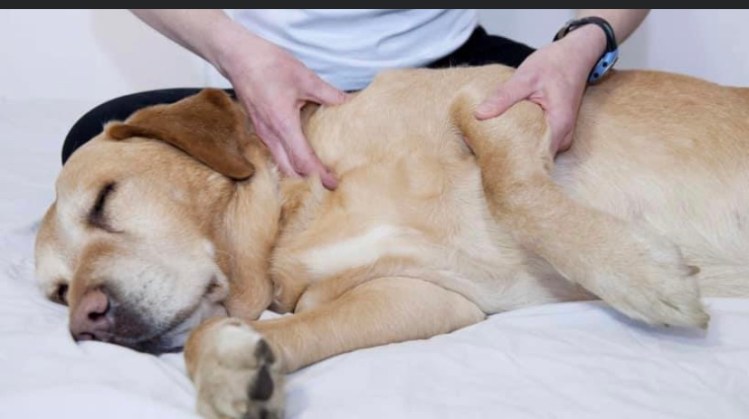
If your furry BFF is showing signs of increased stiffness, slowing down on walks, experiencing gait change or decrease in daily activities interest, your dog may be stressed or in pain and in need of a massage.
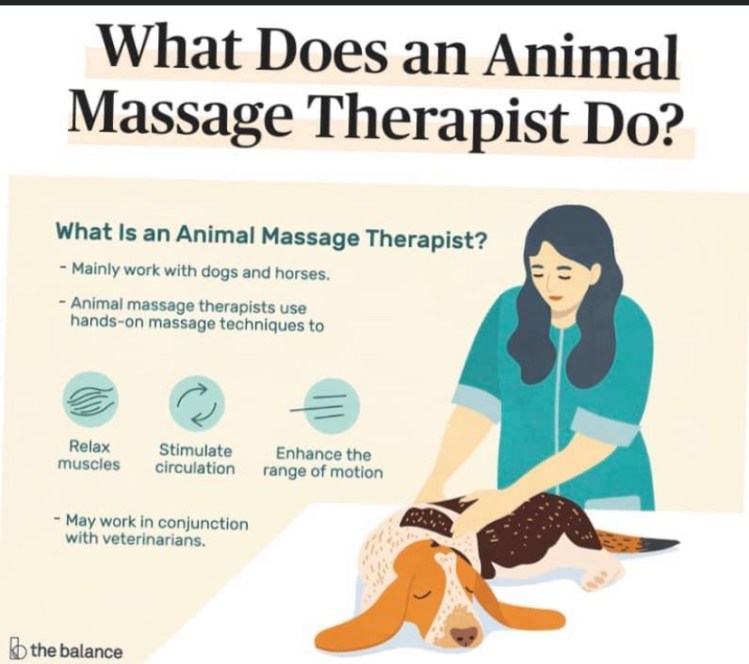
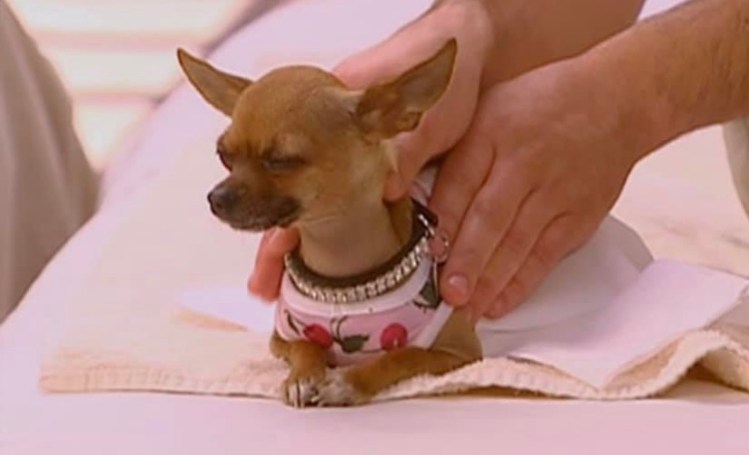
Clinical canine massage is a complimentary therapeutic treatment that is used to help support and resolve muscular dysfunction within your dog’s body that may be having a detrimental effect upon their mobility, behavior and overall quality of life. Canine Acupressure and massage uses skilled application and manipulation of muscles, tendons, fascia, joints and connective tissue, incorporating traditional massage techniques along with direct and indirect myofascial release protocols to support healing and movement.
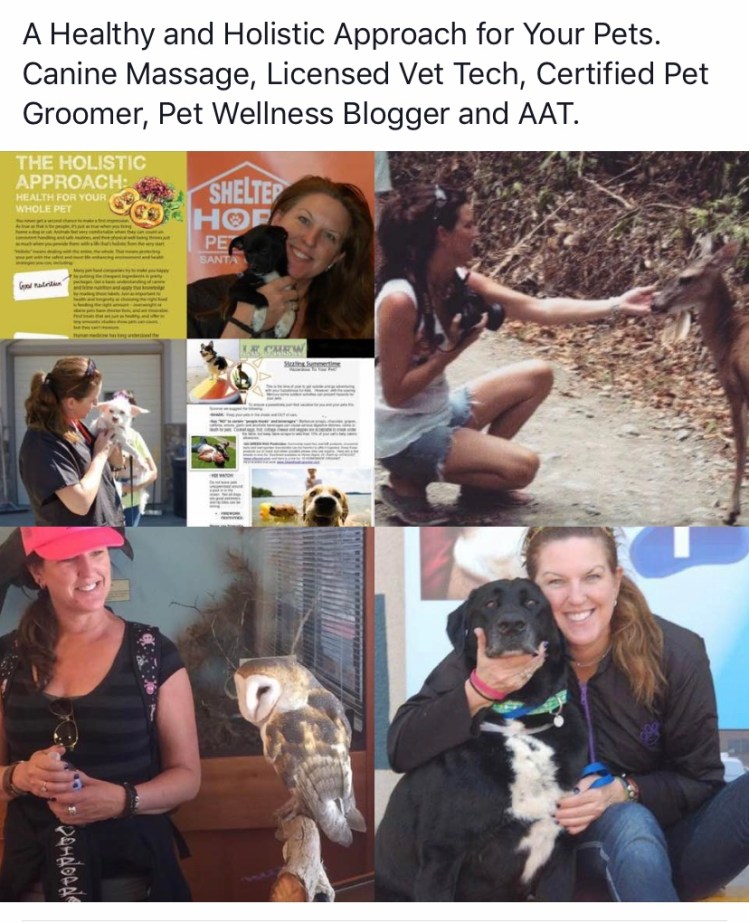
Canine massage therapists are animal health professionals (Dorothy Cline aka Vet Tech Groomer Girl, is a Licensed Vet Nurse/Tech and Groomer) who use their knowledge of anatomy, physiology, acupressure and massage techniques to improve an animal’s physical well-being and aide in healing and often the post-operative recuperation process.
Canine massage and acupressure can be applied to any dog, whether young and active or senior and coping with long-term medical conditions such as arthritis or post-operative healing. The treatment will work to relieve muscular and connective tissue restrictions, spasms and contracture, decrease inflammation, increase joint flexibility and hydration, promote healing and provide some drug free pain relief thus aiding sleep, promoting relaxation and improving energy and mood.
If your dog is showing any of the following signs, please consider contacting Vet Tech Groomer Girl.
-Stiffness
-excessive licking or biting of forelimbs for no apparent reason
-Decrease In energy
-Twitches of the skin along the back, legs and ribcage
-Sudden dislike of being groomed or touched
-Difficulty going up and down stairs
-Change in gait
-Difficulty squatting when going potty
-Change in mood or lack of interest in normal playtime activities or toys
I am bringing this ugly truth about anal glands to attention because I am constantly asked about them by my clients with the same question;
“SO…WHAT THE HECK ARE ANAL GLANDS AND WHAT DO THEY DO?”
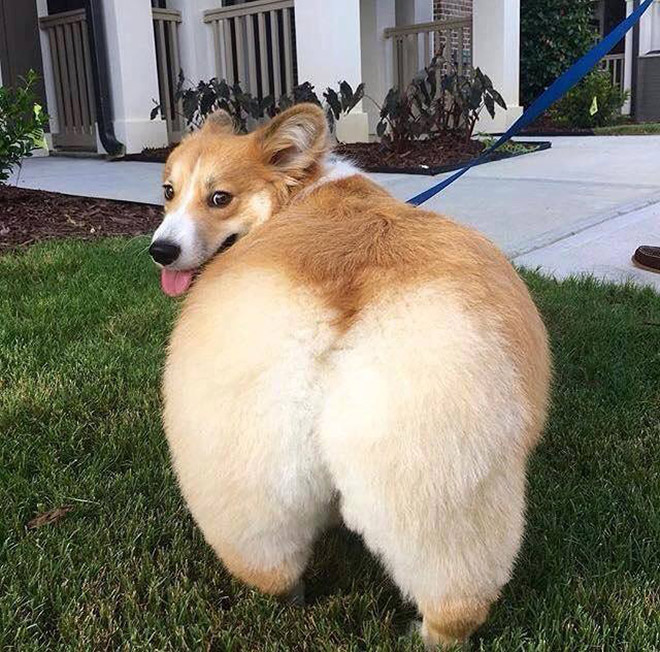
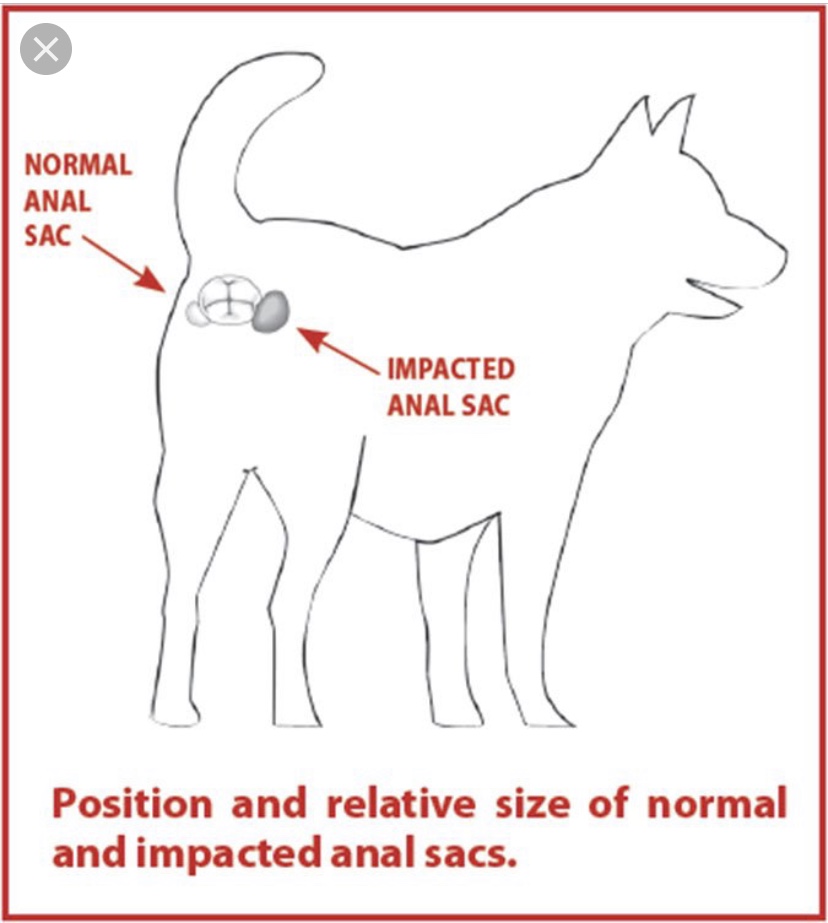
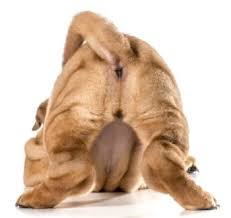
Here’s a simple and quick overview of your dog’s booty and anal sacs. The anal glands lie beneath the muscle layers of the rectum. Dogs have two anal sacs (glands) beneath the skin which are located at the four and eight o’clock positions of the anus. The anal sac duct opens into the edge of the anus. The anal sacs and ducts are closely associated with the anal sphincter muscle. The only real function these anal glands have is in doggy communication. They are what dogs sniff when they say “hello” to each other. They also excrete a scent whenever your dog defecates. This is another way that a dog can mark their territory and leave a “smell signal” for any other dogs that may pass by their fragrant “gift” left by them on the ground. Now.. take deep cleansing breaths and PUT DOWN YOUR LUNCH, while I tell you the story of the anal glands.
Once upon a time…thousands of years ago, these magical little sac features existed in wild animals. The liquid secreted out of them is, to put it bluntly, a DISGUSTING—thick, oily, and kinda-fishy-smelling substance; however, useful to wild animals. For example, skunks and badgers, spray their scent glands at will as a defense mechanism in threatening situations. Our domesticated doggos have largely lost this wild ability as they no longer need to use them in that survival way.
Usually, normal defecating along with routine grooming by professional groomers who express the glands during your pet’s bathing process, help to empty the anal glands; however, sometimes that’s not always the case. When the glands remain full for too long, they can become infected, impacted, extremely uncomfortable and even painful. Anal glands can also overfill if the exit duct becomes blocked. This is called an impaction.
If the situation continues to worsen, an abcess may form and then rupture, requiring emergency surgery and the dreaded cone-of-shame.
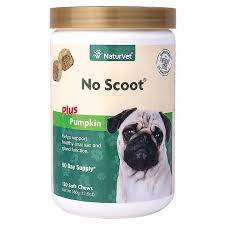
“Booty Scooting” or butt dragging is only one of the many signs indicating a potential anal gland problem. Others signs may include:
A pungent, “fishy” odor coming from their rectum
Excessive licking of their rectum
Straining, crying (vocalizing) or otherwise having difficulty or pain when pooping
A swelling or a hard “bump” under the skin next to their rectum
Blood and/or pus in their stools
Blood and/or pus on the carpet (floor), their bed, or on your clothes after they’ve been laying on your lap
If you find that your dog is experiencing derriere distress and doing the “Boot-Scoot- Boogie”, WITH FREQUENCY, the glands are needing to be expressed every few weeks (or sooner), or they are getting infected chronically, then you may need to eventually consider the permanent removal of the anal sacs. This is an invasive surgical procedure and not recommended by this writer unless it is critical to your pets’ health and well-being. Surgical anal gland removal (anal sacculectomy) can disrupt delicate nerve pathways, it can on occasion lead to infections, incontinence, and other chronic complications. Before you rush into surgery, please consider trying holistic home remedies to ease your dog’s anal sac distress FIRST,and always discuss any concerns with your veterinarian to figure out and manage the underlying root cause of the frequent anal gland problems.
HOLISTIC HOME REMEDIES TO TRY AT HOME
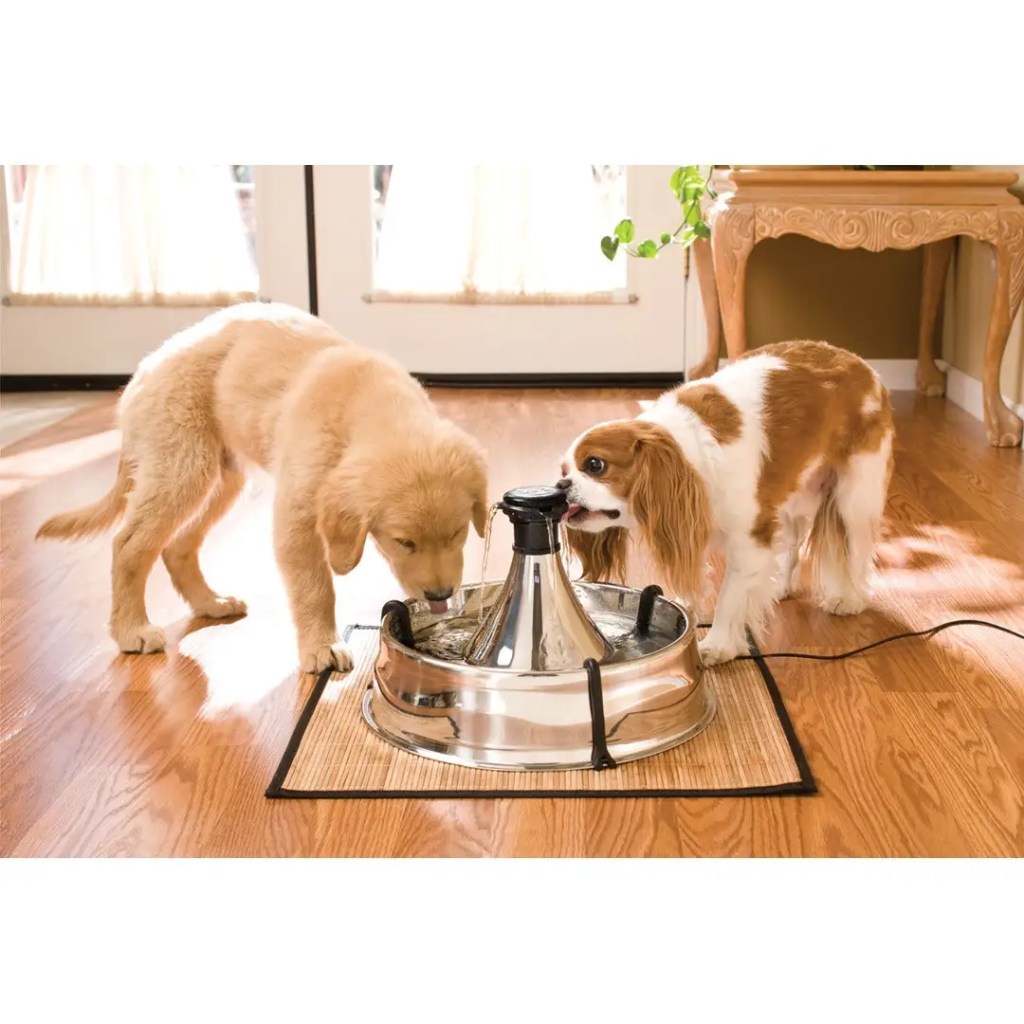
1.Increase Fido’s H2O: One simple solution to healthy anal glands is to boost hydration. You will probably need to do this by adding more fresh water to your pets’ food and daily routine. Most FURkids are not instinctively in love with their water bowls, so add some water play elements like bowls with a fountain or make ice chips with toys or treats frozen inside of them. Doggos find moving water more palatable and exciting than the plain, motionless puddle in their bowl.
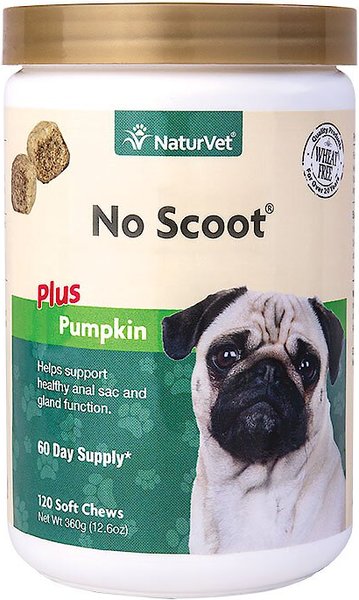
2.Supplements and Digestive Enzymes: Digestive enzymes and probiotics can also be helpful for reducing anal gland issues. Most holistic veterinarians recommend using digestive enzymes whenever feeding processed (dry kibble or canned) or cooked food. Re-fortifying with canine-formulated probiotics can also help encourage your dog’s anal glands to empty on their own. Of course, every dog responds differently. This is why it is important to start increasing or adding supplements in small increments and increase very gradually. Begin with just a half-teaspoon daily, and work up until you notice slight stool softening. Prebiotics and Probioticscreate a healthy gut environment (microbiome) which helps the breakdown and passage of food, thus contributing to regular anal gland function.
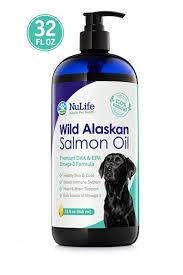
Wild Atlantic Salmon Oil for dogs has all-natural nutrients that help your pet systemically. The omega-3 fatty acids in salmon oil will not only keep things moving naturally and help with the expression of the anal glands, but it will also help dry skin and coat, itching, shedding, and allergies.
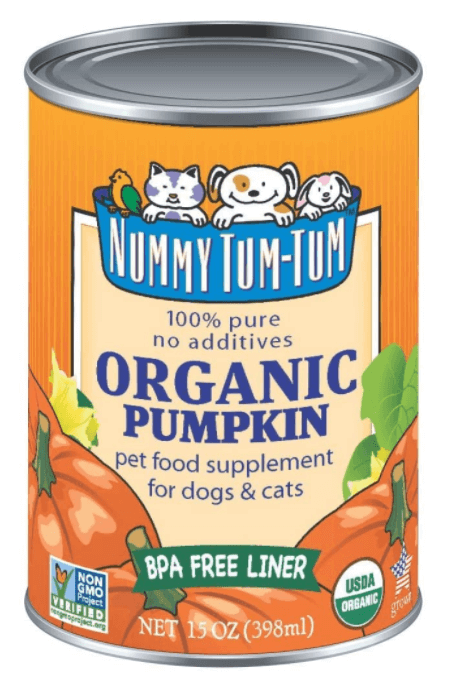
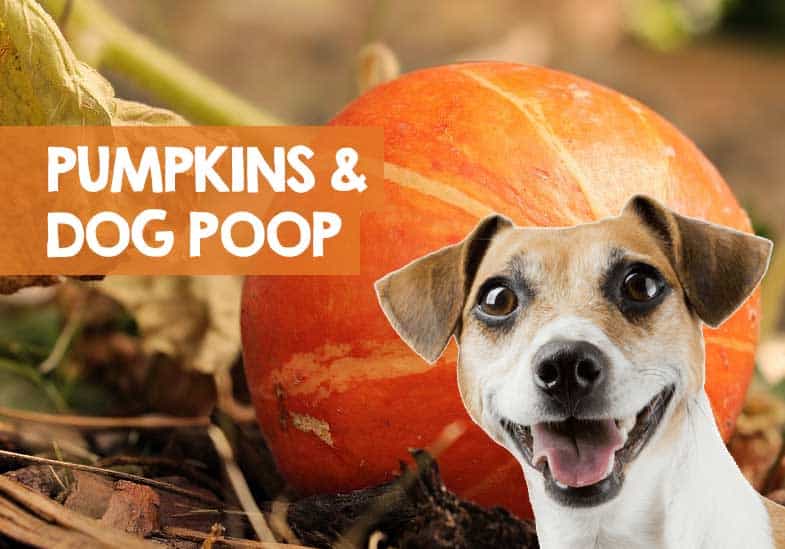
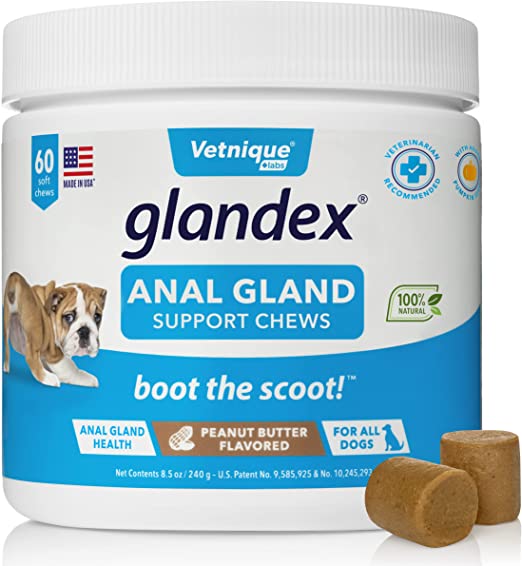
Pumpkinis num-num for the tum-tum and also has immense health benefits for dogs including eye health, antioxidant properties, anti-parasitic properties, and it contains healthy fiber. Adding canned or powdered pumpkin to your pet’s diet will increase their fiber intake, which helps firm the stool to make naturally expressing anal glands easier. Antioxidants protect your dog from dangerous free radicals in the body. If free radicals in the body are uncontrolled, they can harm your dog’s cells and even his DNA. Pumpkin is also a rich source of vitamins E, C, and A. Together, all these vitamins support your furry BFFs’ immune system, brain function, and skin health. Potassium, copper, manganese, and iron play an essential role in cellular health, and pumpkin is loaded with these minerals as well.
3. Weight Loss: Some Veterinarians believe that a dog’s anal sac issues are often a symptom of a root cause or systemic issue. Perhaps this is one reason why pudgy pups are more likely to struggle. If your pooch is packing on a few extra LBS, try switching foods to a recipe with fewer carbohydrates and proteins and this might help alleviate pressure on the anal glands, thus allowing the sacs to empty more easily.
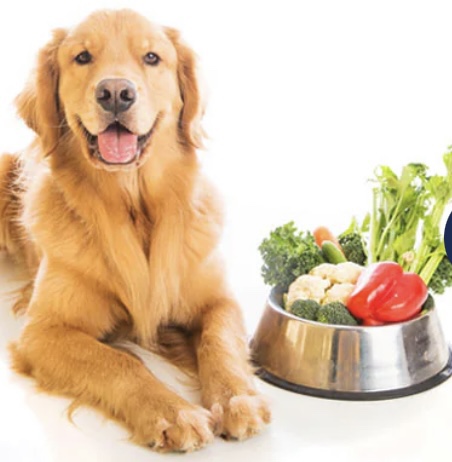
4. Read labels: Read all food and treat labels carefully, and choose food options with real or raw meat as the top ingredient. NO animal byproducts, fillers or additives. Dry food is also dehydrating to the bowels and removes moisture from the bowels, making the passage of food harder and more difficult. Dry food is also full of starches and possible grains. The pancreas of a dog only releases a small amount of amylase (digesting enzyme for carbohydrates), and undigested carbohydrates can cause inflammation and break down gut immunity. A moist fresh diet that is biologically appropriate is essential to healthy anal gland and bowel movement. Fresh, home cooked, or raw food diets are always the best option. A raw food diet is also proven to provide a better digestive bacteria to support gut health and anal sac function in dogs.
5. Epson Bath or Compress: A warm washcloth applied to the under-tail region can sometimes encourage natural drainage of the anal glands. Try soaking a washcloth in warm water infused with 1-2 teaspoons of Epsom salt. Hold this in place or have your pet sit in the water for 10-15 minutes, twice per day, every day.
6. Regular Exercise. Move it or lose it, literally. Lack of exercise causes infrequent bowel movements which cause constipation. Dog constipation and diarrhea are one of the main causes of anal gland problems in dogs. Regular exercise also helps to tone and strengthen the sphincter muscles that help to empty the glands.
Most anal gland problems are not an emergency and can be scheduled during regular business hours at your local veterinarian’s office; however, be sure to notify the veterinary staff if you think your dog has a ruptured anal gland or if the anus area is severely inflamed.
 Growth plates are regions of cartilage that sit at the ends of the long bones.








 Mindful Paws PR